 Skip to content




Which Ink Cartridge Fits Your Fountain Pen? A Practical Brand-by-Brand Compatibility Guide
An ink cartridge looks like a small, simple object until you try to buy the right one. Two packets may contain almost identical plastic tubes, yet one connects securely, and the other refuses to fit. A listing that says universal can make the decision sound easier than it really is.
The important distinction is between fitting inside the barrel and fitting the pen's ink connection. Length, opening and connection design all matter. The cartridge also needs to belong to the correct writing system; a fountain pen cartridge is not the same thing as a ballpoint refill.
At Makoba, we recommend a model-first approach. Identify the pen, confirm its filling system and choose the cartridge specified for that version. This guide explains the main brand families, common exceptions and the checks that prevent an inexpensive consumable from becoming a frustrating mistake.
Key highlights
- A cartridge must match the connection and available barrel space.
- Standard international is a cartridge family, not a promise that every cartridge fits every pen.
- Several brands use their own systems, with model or regional exceptions.
- Built-in piston and vacuum pens generally need bottled ink rather than cartridges.
- Converter compatibility is a separate model-specific check.
Cartridge, converter or refill: identify the object first
A fountain pen cartridge is a prefilled ink container that attaches behind the nib section. A converter is a reusable filling device used in compatible pens to draw bottled ink. A ballpoint or rollerball refill usually includes its own writing tip and belongs to a different mechanism.
These distinctions matter when searching. The word refill is used loosely online, which can produce results that look relevant but serve another instrument. Start by confirming that the pen is actually a fountain pen and that its filling system accepts cartridges.
If you are unsure, our filling systems guide explains the main arrangements. A visible barrel or removable cap does not by itself identify how the pen takes ink.
Why similar cartridges do not necessarily fit
The opening must connect appropriately to the pen's ink inlet. The cartridge must also sit securely and leave enough space for the barrel to close. Similar exterior shapes can hide different dimensions at the connection.
Length adds another variable. A compact pen may accept a short cartridge while lacking room for a longer container with a related connection. A long barrel does not automatically establish which short cartridges can be stored or used inside it.
Never solve resistance by pushing harder. If the cartridge seems wrong, stop before damaging the connector or splitting the plastic. Correct compatibility should be established before insertion, not inferred from how much pressure you can apply.
What standard international actually means
Standard international refers to a commonly used cartridge family. It is useful language when a manufacturer specifies it, but it is not equivalent to universal compatibility across all fountain pens.
Short and long versions may share aspects of the system while differing in what barrels can accommodate. Individual models can also have constraints that make a general brand-level statement insufficient.
Use the exact maker's specification as the final check. If a retailer describes a cartridge as standard, ask which standard and which model it is intended for. A clear answer should be more specific than “most pens.”
A practical brand-by-brand starting chart
| Brand or model family | Sensible starting point | Important check |
|---|---|---|
| LAMY cartridge/converter models | LAMY T10 system | LAMY 2000 uses bottled ink instead |
| Pilot cartridge/converter models | Cartridge specified for the exact Pilot version | Regional MR/Metropolitan versions and converter fit need checking |
| Platinum cartridge models | Platinum-specified cartridge | Do not substitute a similar Pilot or Sailor container |
| Sailor cartridge models | Sailor-specified cartridge | Verify the actual pen and supported supply |
| Kaweco cartridge models | Model-specified short cartridge system | Compact barrels and converter choices need checking |
| Parker cartridge models | Parker-specified cartridge | Identify vintage or unusual models separately |
| Waterman cartridge models | Model-specified cartridge | Confirm length, connection and exact pen |
| Sheaffer cartridge models | Model-specified Sheaffer supply | Older and unusual systems need individual identification |
| Cross cartridge models | Model-specified Cross supply | Do not infer compatibility from another brand's shape |
| TWSBI ECO and Diamond 580 | Bottled fountain pen ink | Built-in piston systems do not need cartridges |
The chart is a buying starting point, not a promise about every vintage pen or discontinued version. The specific product instructions take precedence over a broad brand family.
LAMY: T10 and the important 2000 exception
LAMY specifies T10 cartridges for its cartridge-compatible fountain pen range, including familiar models such as Safari. This makes the cartridge family easy to identify when you know the pen is one of those models.
The LAMY Safari Black is a useful reference. Check the actual pack and colour when buying replacement cartridges. A bottle of LAMY ink serves a different filling arrangement unless the pen has the appropriate converter.
The LAMY 2000 fountain pen is the important exception: its built-in piston system uses bottled ink. Buying T10 cartridges will not turn it into a cartridge pen.
LAMY converters are not all interchangeable
LAMY specifies the Z28 for models including Safari, AL-star, Joy and several related pens. That is a model list, not permission to use the same converter in every LAMY or another manufacturer's pen.
Confirm the converter against your actual model. A compatible cartridge and a compatible converter are related purchases, but their physical requirements still need checking individually.
Pilot: identify the exact version
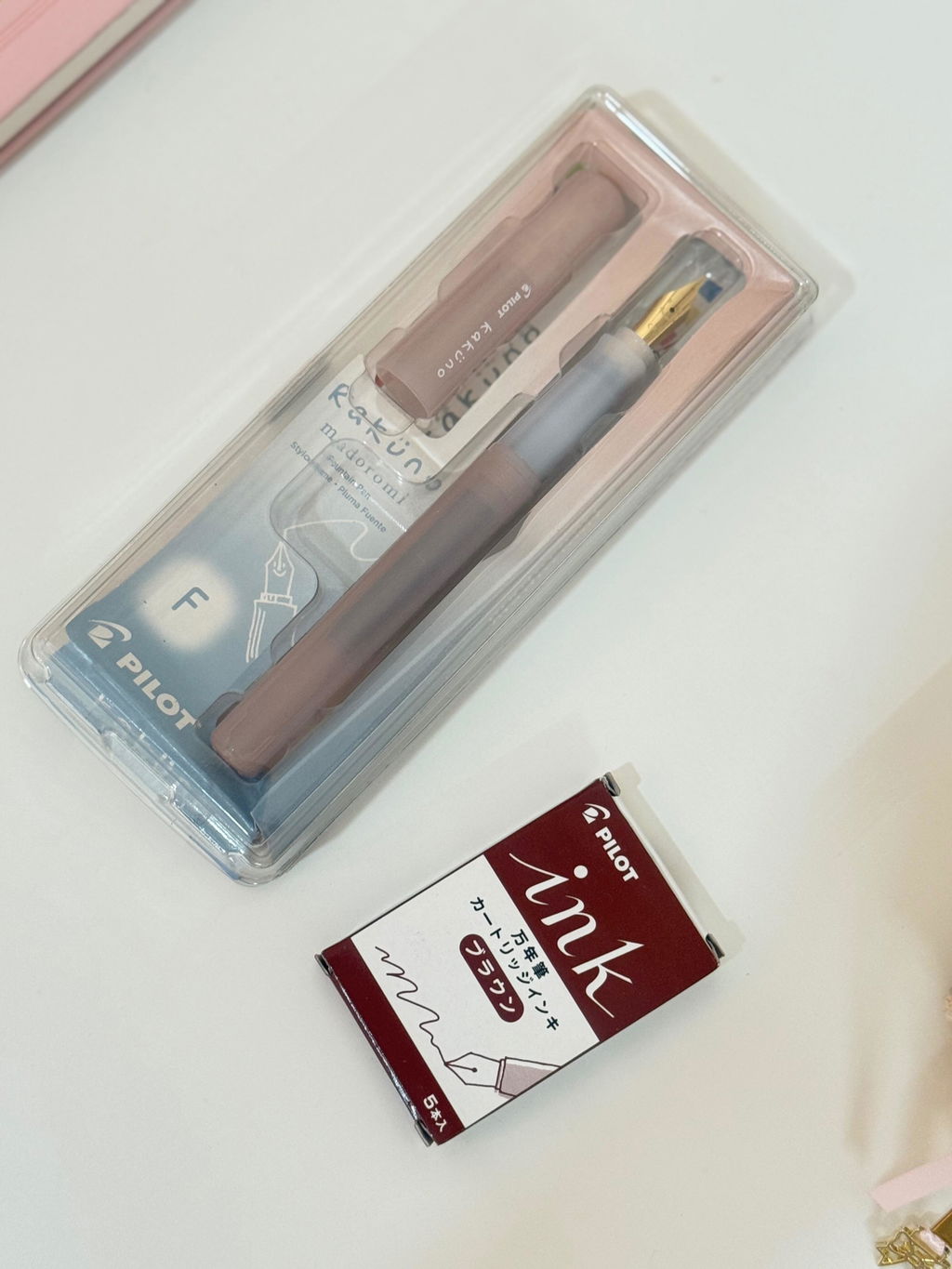
Pilot's cartridge systems should be selected using the precise model and market version. Do not assume that every pen described as MR or Metropolitan worldwide has the same cartridge connection or supplied converter.
Our Pilot Kakuno and Metropolitan listings provide starting references. Ask us to confirm the replacement supply for the version being sold if the details are unclear.
This is especially important with pens obtained overseas or inherited without packaging. A photograph of the barrel and section, together with any model marking, is more useful than simply saying it is a Pilot fountain pen.
CON-40 and CON-70 are converter names
These names describe filling devices, not interchangeable prefilled cartridges. Their fit depends on the pen, and the available room in the barrel is part of that fit.
Do not choose a larger converter solely because it appears to hold more ink. Check the maker's supported combination and the instructions for the ink being used. Some specialist formulas also carry converter-specific guidance.
Platinum: use the specified supply
Platinum has its own cartridge and converter products. A similar-looking cartridge from another Japanese manufacturer should not be treated as a substitute simply because the pens appear related.
The company's instructions illustrate inserting the specified cartridge or using a suitable converter. Model restrictions still matter, particularly with unusual or compact designs. A broad description such as Japanese cartridge is not precise enough for purchasing.
If you are moving from another brand, identify the exact Platinum consumable rather than reusing the old supply automatically. This avoids both connection problems and uncertainty about what ink is actually inside the pen.
Sailor: brand identity does not imply shared cartridges
Sailor, Pilot and Platinum may appear together in comparisons of Japanese fountain pens, but that does not establish a shared cartridge system. Use the supply specified for the individual pen.
Check whether the model accepts cartridges, a converter or uses a built-in system. Collection names and similar-looking barrels do not provide enough information on their own.
For a gift, include the compatible cartridge reference with the pen. It makes the next purchase easier and prevents the recipient from choosing a packet based only on colour or approximate size.
Kaweco: compact size makes length important
Compact pens make cartridge length particularly relevant. A connection can appear suitable while the barrel lacks room for a longer container or a particular converter. Confirm the exact model and its specified short supply.
Do not assume every Kaweco shares the same converter clearance. A pocket model, a larger pen and an unusual design may require different accessories even where cartridge families overlap.
If portability is why you chose the pen, compatible spare cartridges can be convenient. Keep them in a suitable container and identify them clearly so they are not confused with supplies for another pen in your bag.
Parker, Waterman, Sheaffer and Cross
These familiar names each include more than one generation of writing instruments. Modern catalogue guidance should not automatically be applied to every older pen bearing the same logo.
For a current model, use the manufacturer's specified cartridge and confirm any length restriction. For a vintage or unidentified pen, establish the filling system first. Some older instruments use mechanisms that have nothing to do with inserting a modern cartridge.
Our Waterman, Sheaffer and Cross ranges can help identify current product references. Match the exact writing format before comparing consumables.
Avoid brand-name shortcuts with inherited pens
A pen found in a drawer may have an empty component inside that looks like a cartridge but is part of an older filling arrangement. Do not discard or dismantle it without identifying the model.
Look for markings, a product code or an original instruction leaflet. Clear photographs of the pen and the accessible section can help a specialist determine the next step. Force is not an identification method.

Why the TWSBI ECO does not need a cartridge
The TWSBI ECO uses a built-in piston mechanism. Ink is drawn from a bottle into the reservoir. A cartridge or separate converter is not required for that system.
The Diamond 580 also uses piston filling. Its visible body can help you monitor ink, but visibility should not be confused with a cartridge window.
If you own several pens, keep a note of which use cartridges and which fill directly from bottles. The distinction prevents buying accessories simply because they are listed alongside fountain pen supplies.

How to identify an unknown cartridge
Keep the empty cartridge if it is known to be the correct one. Record the pen model and any markings on the packet. A clear image beside a ruler can help communicate its size, but dimensions alone are not a guarantee of compatibility.
Compare the connection end carefully without cutting or modifying it. Some containers have seals or internal features that are not obvious from the outside. Do not assume a similar opening means identical operation.
The best evidence remains a confirmed product reference from the maker or retailer. An empty sample is useful for identification; it should not replace model verification where the pen's history is uncertain.
Installing a compatible cartridge
Open the pen as directed, orient the cartridge correctly and seat it using the intended action. The connection normally opens the cartridge seal during installation. Do not cut the tip open beforehand.
Reassemble the barrel without forcing it and allow time for ink to reach the feed. A newly installed cartridge may not produce an immediate line. Follow the model's starting instructions rather than squeezing or shaking at random.
Our first-use guide explains the routine. Correct installation should be a controlled action, not a test of hand strength.
If the cartridge fits but the pen does not write
Check that the cartridge is genuinely compatible and fully seated. Confirm that it contains ink and that the feed has had time to become supplied. A dry or contaminated feed may need the maker's cleaning routine.
Also check nib orientation and pressure on the paper. An ink supply problem and a writing-angle problem can produce similar frustration. More pressure is not a reliable diagnosis of either.
If difficulty persists, describe the pen, cartridge reference and what happens after installation. Our hard-starting guide can help separate the possibilities.
Can you refill an empty cartridge?
Some enthusiasts refill certain cartridges, but that is a separate activity from buying the correct prefilled supply. Repeated use can affect a cartridge's condition, and makers may recommend replacement rather than reuse.
For a beginner, a compatible converter is often the more straightforward reusable option where the pen supports one. It is designed for repeated filling and comes with an intended operating method.
Do not refill a damaged, loose or unidentified cartridge and assume a leak-free result. The cost of a correct supply is usually easier to manage than ink escaping inside a bag.
Does cartridge compatibility determine bottled ink choice?
The cartridge connection and the ink formula answer different questions. A compatible converter may allow bottled ink, but the liquid must still be appropriate for the pen and the maker's guidance.
Do not pour calligraphy, drawing or printer ink into a fountain pen because the converter can physically hold it. Likewise, specialist fountain pen formulas may carry particular cleaning or material instructions.
Our ink collection offers suitable categories to explore. Confirm the formula as carefully as the filling device, especially when choosing for a new user.
A simple record that prevents repeat confusion
For each pen, keep the model, cartridge reference, converter reference if relevant and usual ink. Add a photograph of the correct packet. This takes little time and makes replacement purchases much easier.
If two pens use different proprietary systems, store their supplies separately. Similar blue cartridges can be surprisingly easy to confuse after the packaging has been discarded.
For a family or office with several users, label the supplies by pen model rather than by the person's name alone. The information remains useful even if the pens change hands.
A worked example: two pens and one packet
Suppose you own a LAMY Safari and a Pilot obtained overseas. You find a packet of blue cartridges in a drawer and remember using them in one of the pens. Colour does not identify the system, and approximate length is not enough to settle the connection.
Begin by checking the packet reference and matching it to the known model. The Safari's T10 requirement gives you a clear starting point. For the Pilot, identify the exact version before assuming it shares the supply used by a different Pilot in an online photograph.
If the packet cannot be identified, do not test it in both pens by force. Keep it separate and obtain the right information. The successful outcome is two clearly labelled supplies, not one cartridge that has been pushed into several sections until something happens.
A second example: the barrel will not close
Suppose a cartridge appears to connect but the barrel stops before closing normally. Do not tighten it harder to compress the contents. Stop and check the cartridge length, whether it is seated correctly and whether another object remains inside the barrel.
Some pens have packaging components or storage arrangements that need to be understood, while compact models can have genuine clearance limits. The correct answer comes from the actual instructions and product reference. A connection that seems plausible is not enough to prove that the whole cartridge fits.
If you ask for help, explain where the resistance occurs. Does the cartridge fail to seat, or does the barrel fail to close after seating? That distinction points towards different checks and avoids treating every issue as a blocked nib.
Choosing cartridges for travel
Compatible spares can be convenient when you do not want to handle a bottle away from home. Keep the original product identification with them, particularly if your travel case contains several pen brands. A small labelled packet is more useful than loose cartridges that look nearly identical.
Store them as the maker recommends and protect them from damage. Before a trip, check the ink currently in the pen and the number of spares you actually need. Avoid planning the first test of an unfamiliar cartridge for the moment you are trying to take an important note.
Travel also makes the distinction between cartridge convenience and filling-system preference clearer. A piston pen may suit you perfectly when filled before leaving. Another writer may prefer replacing a cartridge. Neither system is universally superior; the useful choice fits the trip and the pen you enjoy.
What a good compatibility description should contain
A useful listing identifies the cartridge family or reference, intended writing system and any relevant model limits. A converter listing should explain its supported pens rather than rely only on a photograph. If those details are missing, ask before buying.
For your own records, save the confirmed reference after the first successful purchase. That removes the need to repeat the investigation every time the pen runs out. It is especially useful when a brand updates packaging while the compatible supply remains recognisable by its code.
If a proposed alternative comes from another maker, confirm the actual compatibility claim. A lower price or familiar shape does not establish a match. Good information should make the purchase clearer, not depend on you accepting the risk of a nearly fitting part.
Keep the empty packet after the first purchase
Once a compatible supply has been confirmed, retain the packet reference or a photograph of it. This is particularly helpful when buying for someone else or returning to a pen after a long break. The small record turns the next purchase into a straightforward reorder and avoids having to identify an unmarked cartridge from its colour and shape again.
Our verdict: model first, cartridge second
The correct cartridge is the one specified for the exact pen and version. Brand names provide a starting family, while the connection and barrel dimensions settle the practical fit.
At Makoba, share the model name, where the pen was purchased if relevant, and a clear picture of any known cartridge. We can help identify the appropriate available supply or point out when the pen needs bottled ink instead. A good match should make the next fill simple, without forcing, modifying or guessing.
Frequently asked questions
Are all fountain pen cartridges universal?
No. Several systems exist, including proprietary families and different lengths. Always check the model's specified supply.
Can I use a converter instead?
Only where the pen supports a compatible converter. Connection and barrel space both matter, and built-in filling systems do not need one.
Can an older pen use a current cartridge from the same brand?
Sometimes, but it must be verified. Older mechanisms and discontinued systems should be identified individually before buying or removing components.
What information should I send when asking for help?
Send the model name, photographs and any cartridge or packaging reference you have. Mention regional versions or overseas purchases, since those details can change the answer.
Manufacturer and method references
LAMY cartridge guidance, Pilot filling instructions, Parker refill support.


Leave a comment