 Skip to content




Understanding Fountain Pen Filling Systems: Cartridge, Converter, Piston, and Vacuum
Introduction: Why the Filling System Is the Heart of a Fountain Pen
When people begin their fountain pen journey, attention usually goes to the nib or the brand. Yet experienced writers know that the filling system is just as important. It determines how often you refill, how much ink you carry, how easy the pen is to clean, and how the pen fits into your daily routine.
A fountain pen’s filling mechanism is not just a technical detail—it shapes your entire writing experience. Whether you are an office professional, a student, a journal writer, or a collector, understanding filling systems helps you choose a pen that genuinely suits your lifestyle.
This guide explains the four most important fountain pen filling systems—cartridge, converter, piston, and vacuum—in a clear, educational manner, with real examples of widely respected fountain pens.
Fountain Pen Filling Systems at a Glance
|
Filling System |
Ink Capacity |
Ease of Use |
Cleaning |
Best For |
|
Cartridge |
Low–Medium |
Very easy |
Very easy |
Beginners, travel |
|
Converter |
Medium |
Easy |
Easy |
Ink exploration |
|
Piston |
High |
Moderate |
Moderate |
Daily writing |
|
Vacuum |
Very high |
Moderate |
Moderate |
Long writing sessions |
Each system has its own strengths, and no system is universally “better.” The best choice depends on how and where you write.
What Is a Cartridge Fountain Pen?
A cartridge fountain pen uses pre-filled disposable ink cartridges. The cartridge is inserted into the pen body and punctured internally, allowing ink to flow into the feed and nib.
This is the simplest and most approachable filling system, especially for beginners.
How Cartridge Filling Works
- Unscrew the pen section
- Insert the ink cartridge firmly
- Reassemble the pen
- Ink flows automatically to the nib
No ink bottles. No special tools. No mess.

Advantages of Cartridge Filling
- Extremely convenient
- Clean and mess-free
- Ideal for travel and work
- Minimal maintenance
- Quick ink replacement
Cartridge pens are perfect for people who want writing to be effortless and interruption-free.
Limitations of Cartridge Filling
- Limited ink capacity
- Fewer colour choices compared to bottled inks
- Ongoing cartridge cost
- Cartridge compatibility depends on brand
Cartridges prioritise convenience over flexibility.
Cartridge Fountain Pen Examples
- Lamy Safari – One of the most popular fountain pens globally, known for reliability and ease of use

- Lamy AL-Star – Aluminium-bodied version of the Safari with the same cartridge simplicity

- Kaweco Sport – Compact, pocket-friendly cartridge pen ideal for travel

- Pilot Metropolitan – Smooth Japanese nibs with cartridge convenience
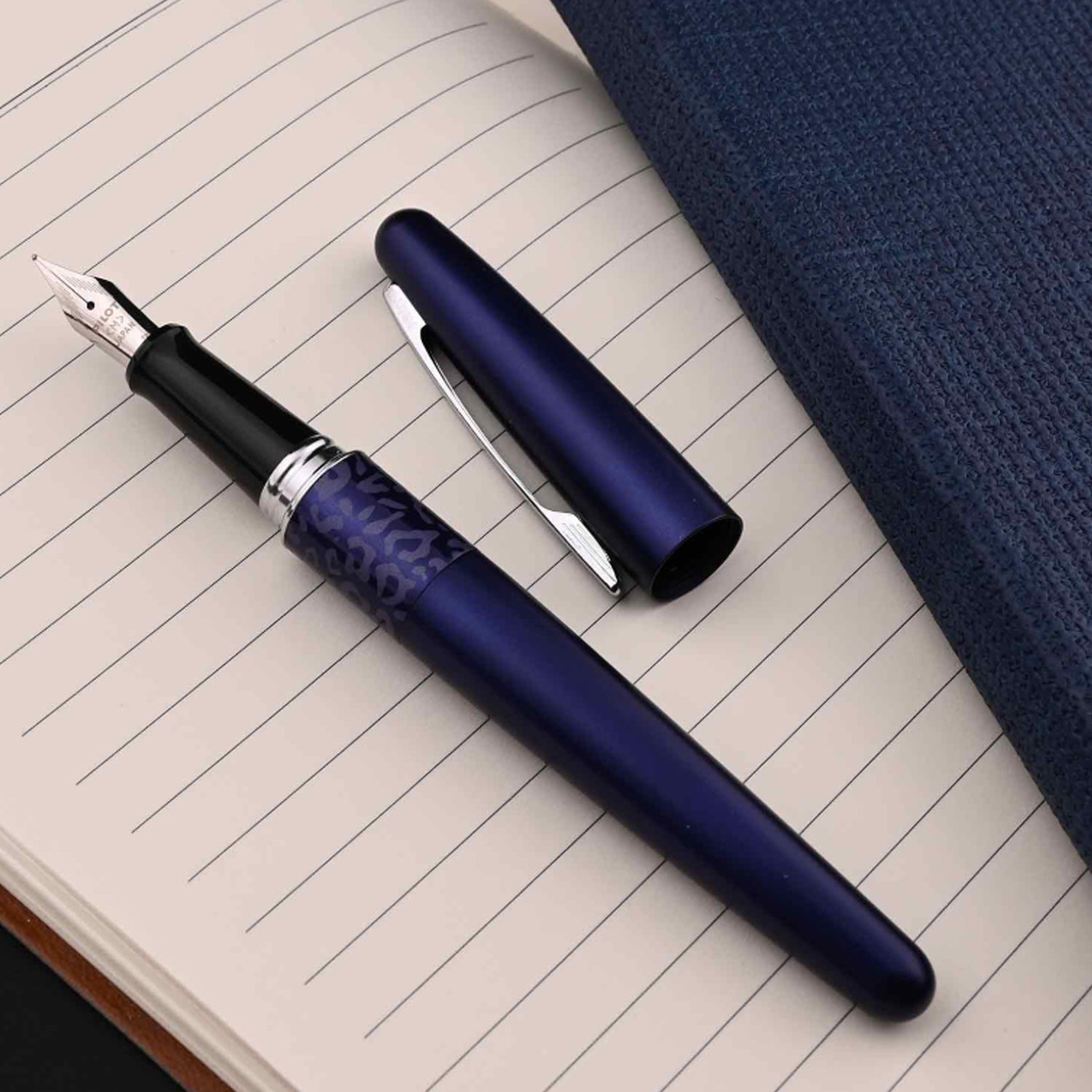
- Platinum Preppy – Affordable, reliable, and excellent for daily notes

Who Should Choose Cartridge Pens?
- Beginners
- Students
- Frequent travellers
- Office users who want minimal maintenance
What Is a Converter Fountain Pen?
A converter is a refillable ink reservoir that replaces a cartridge. It allows cartridge-compatible fountain pens to use bottled ink, greatly expanding ink choices.
Converter systems offer flexibility while retaining ease of use.
How Converter Filling Works
- Attach converter to pen
- Dip nib into ink bottle
- Twist or squeeze the converter
- Ink is drawn into the converter
Converters can be removed and cleaned easily.
Advantages of Converter Filling
- Access to a wide range of bottled inks
- Lower long-term ink cost
- Easy to clean
- Ideal for experimenting with colours
Converters are perfect for writers who enjoy variety and personalisation.

Limitations of Converter Filling
- Smaller ink capacity than piston or vacuum systems
- Requires bottled ink
- Slightly more maintenance than cartridges
Converter Fountain Pen Examples
- Montblanc Meisterstück Classique 145 – Iconic luxury pen with cartridge–converter flexibility

- Sailor Professional Gear – Precision Japanese pen with famous 21K gold nib
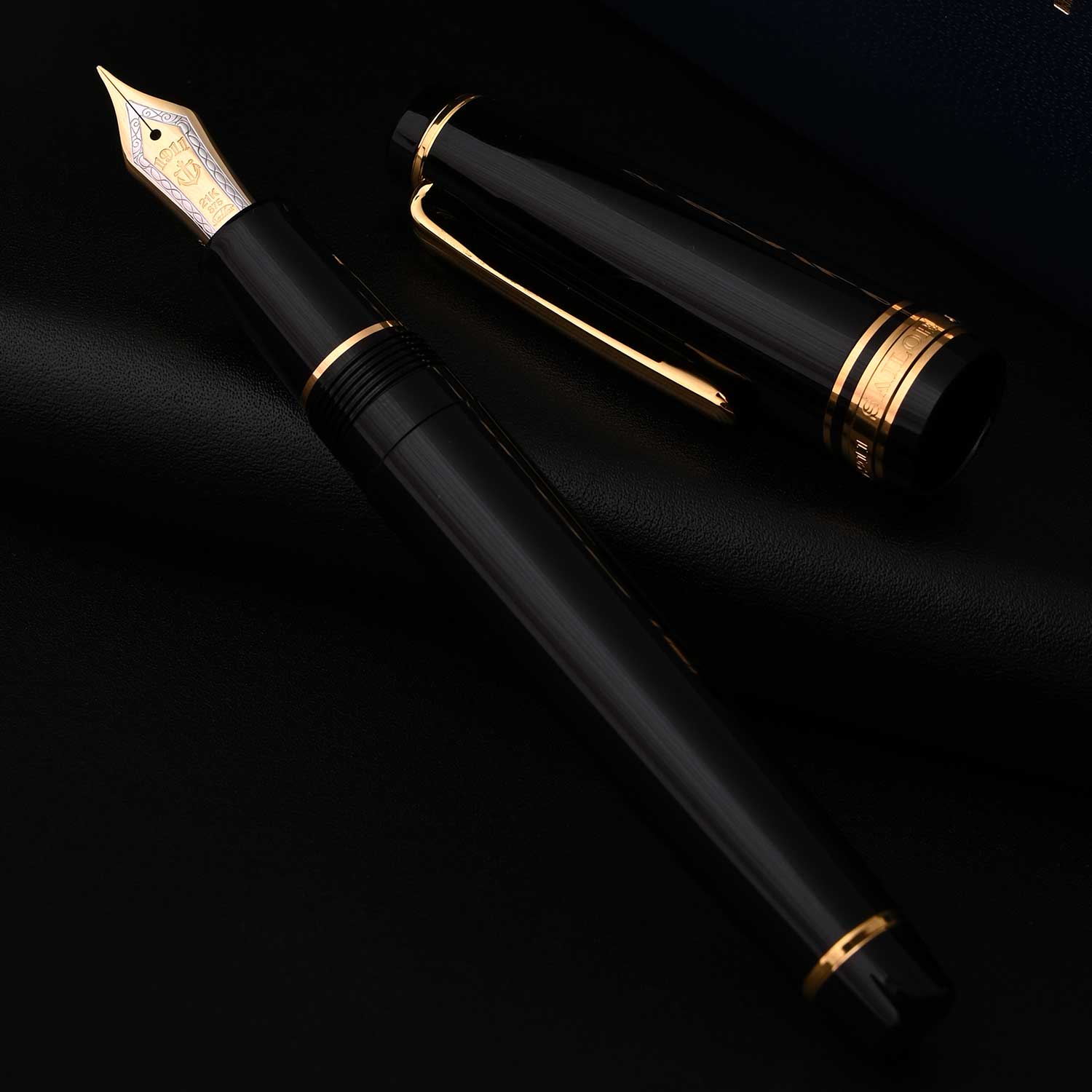
- Sailor 1911 Large – Classic cigar-shaped design with exceptional nib consistency

- Platinum #3776 Century – Known for its airtight cap and controlled ink flow

- Pilot Vanishing Point – Retractable nib fountain pen with converter system

Who Should Choose Converter Pens?
- Writers who enjoy changing ink colours
- Journal writers
- Fountain pen enthusiasts
- Users who want flexibility without complexity
What Is a Piston-Filled Fountain Pen?
A piston filler has a built-in ink reservoir inside the pen body. Turning a knob moves a piston that draws ink directly from a bottle into the pen.
This is one of the most traditional and respected filling systems.
How Piston Filling Works
- Twist the piston knob to expel air
- Dip the nib fully into ink
- Twist the knob back to draw ink
- Pen fills with a large volume of ink
Advantages of Piston Filling
- Large ink capacity
- Integrated, elegant design
- Excellent balance during writing
- Ideal for long writing sessions
Piston fillers feel solid and purposeful, often favoured by experienced users.
Limitations of Piston Filling
- Cleaning takes more time
- Ink changes require flushing
- Repairs require professional servicing
Piston Fountain Pen Examples
- Pelikan Souverän M800 – Benchmark piston filler admired for smooth writing
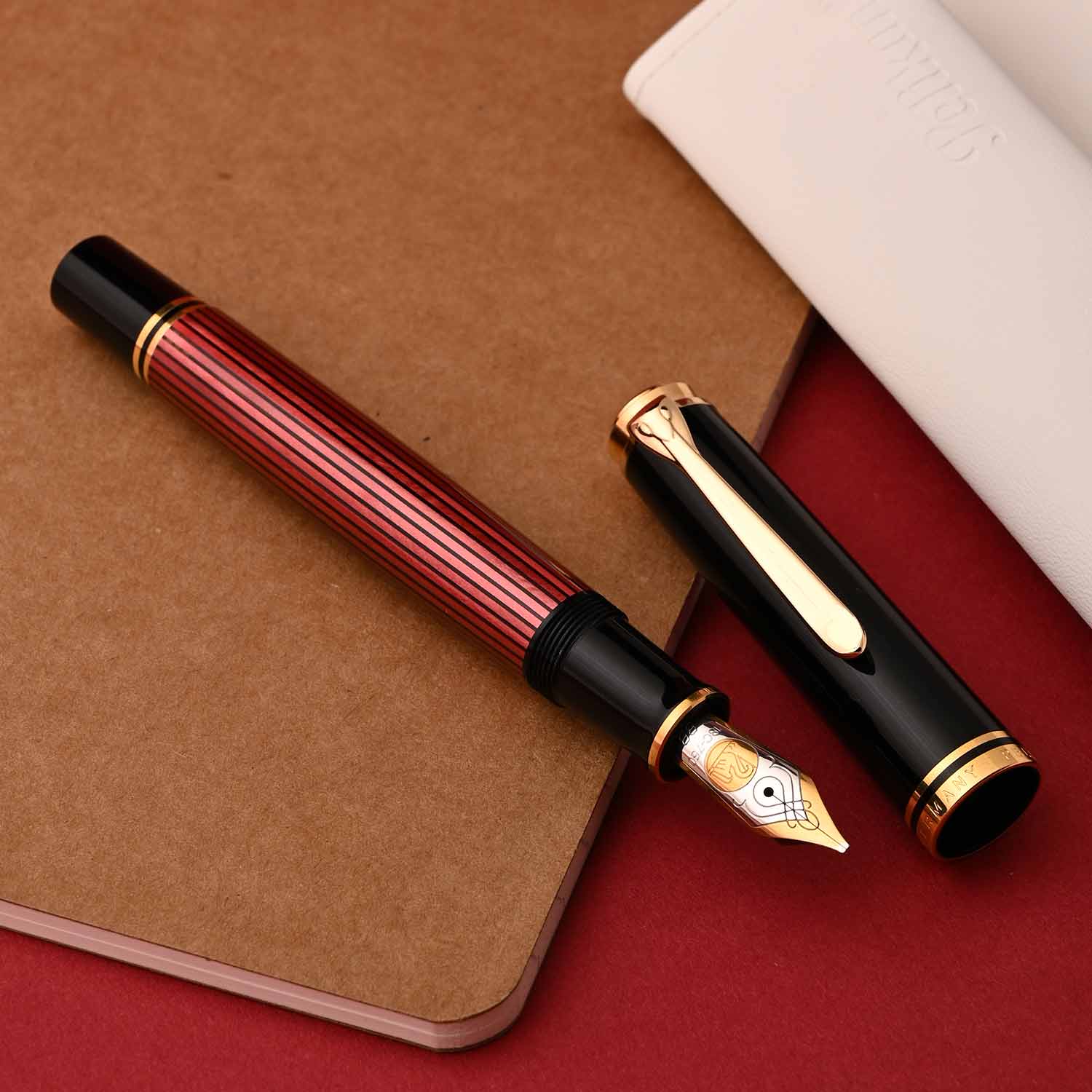
- Pelikan Souverän M1000 – Oversized luxury pen with expressive gold nib

- Lamy 2000 – Bauhaus design icon with seamless piston mechanism

- Aurora 88 – Italian classic with refined piston system

- Leonardo Momento Zero – Modern Italian piston filler popular with collectors

Who Should Choose Piston Fillers?
- Daily writers
- Journalers
- Professionals who write extensively
- Users who dislike frequent refilling
What Is a Vacuum-Filled Fountain Pen?
A vacuum filler uses a plunger mechanism that creates negative pressure inside the pen, pulling a large amount of ink into the reservoir in a single stroke.
This system offers one of the highest ink capacities available.
How Vacuum Filling Works
- Pull the plunger to the rear
- Dip nib into ink bottle
- Push plunger down quickly
- Ink rushes into the chamber
Many vacuum fillers also include a shut-off valve to prevent leaks during travel.
Advantages of Vacuum Filling
- Extremely large ink capacity
- Efficient filling process
- Ideal for long writing sessions
- Excellent for travel
Limitations of Vacuum Filling
- More complex mechanism
- Slight learning curve
- Cleaning requires patience
Vacuum Fountain Pen Examples
- Pilot Custom 823 – Widely regarded as the gold standard for vacuum fillers

- Visconti Homo Sapiens – Uses a power-filler vacuum system with premium materials
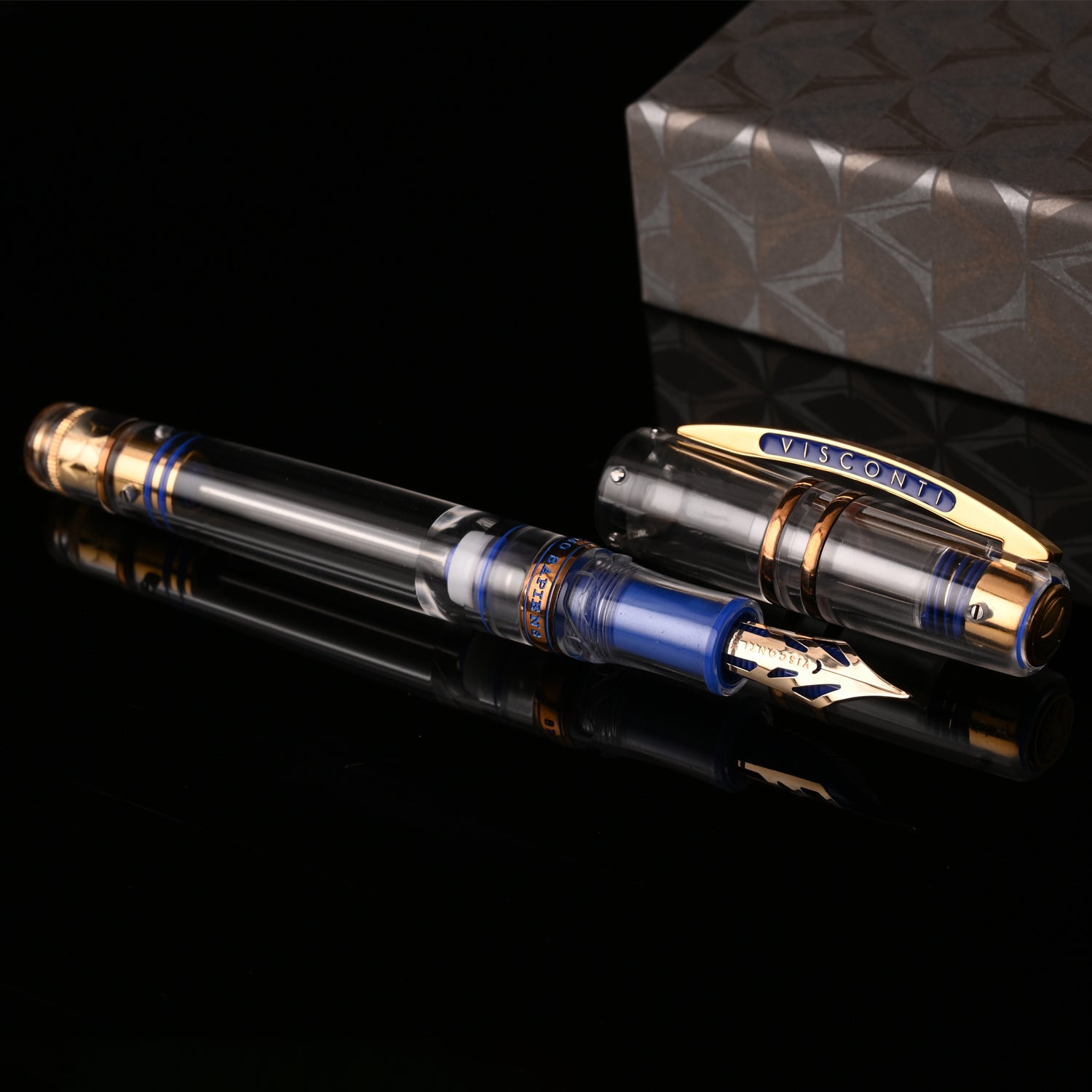
- TWSBI Vac 700R – Transparent design showcasing the vacuum mechanism

Who Should Choose Vacuum Fillers?
- Heavy writers
- Long-form journal writers
- Travellers
- Users who dislike frequent refilling
Choosing the Right Filling System for Your Writing Style
- Casual writing and travel: Cartridge
- Ink experimentation: Converter
- Daily long writing: Piston
- Extended sessions and travel: Vacuum
The best filling system is the one that integrates smoothly into your routine.
Maintenance and Care Overview
|
System |
Cleaning Effort |
Frequency |
|
Cartridge |
Very easy |
Low |
|
Converter |
Easy |
Moderate |
|
Piston |
Moderate |
Moderate |
|
Vacuum |
Moderate |
Moderate |
Regular flushing with clean water keeps all systems working reliably.
Why Buying from the Right Specialist Matters
Understanding filling systems is important, but choosing the right pen requires experience and guidance.
This is where Makoba plays a vital role.
Makoba offers:
- Authentic fountain pens from leading global brands
- Expert guidance on filling systems and nib choices
- Help matching pens to writing habits
- Reliable after-sales support
A well-chosen pen is not about specifications—it’s about how it fits your life.
Final Thoughts: Filling Systems Shape Your Writing Experience
The filling system determines how you interact with ink, how often you refill, and how seamlessly writing fits into your day.
There is no universally perfect system—only the system that matches your writing rhythm.
Once you understand cartridge, converter, piston, and vacuum filling systems, fountain pens stop being confusing and start becoming deeply personal tools—ones that reward care, consistency, and intention.
A fountain pen filled the right way doesn’t just write better.
It makes writing feel natural again.


Leave a comment