 Skip to content




Why Do Some Fountain Pens Cost ₹500 and Others ₹5 Lakh? Breaking Down the Real Cost Drivers
Why does one fountain pen cost ₹500 while another costs ₹5 lakh?
This is one of the most natural questions we hear at Makoba. And it's actually a very good question. Because, at first glance, fountain pens can seem confusing. Two pens can both write beautifully. Both can put ink on paper. Both can be comfortable in the hand.
So what exactly are you paying for when the price moves from ₹500 to ₹5,000, ₹50,000 or even ₹5 lakh?
The easiest way to understand it is to think about cars.
A ₹5 lakh car and a ₹5 crore car will both take you from one place to another.
But nobody would say, "Why would anyone spend ₹5 crore when the ₹5 lakh car also moves?" The basic function is the same.
The engineering, materials, craftsmanship, technology, performance, exclusivity and experience are not.

Fountain pens work in much the same way. At ₹500, you're buying a well-designed writing instrument.
At ₹5,000, you may be stepping into better materials, better nibs and more refined engineering.
At ₹50,000, craftsmanship, premium materials and specialised nibs begin to play a much bigger role.
At ₹5 lakh, the pen may be as much a work of art or collectible as it is a writing instrument. And that's what makes the fountain pen world so fascinating.
First, Let's Define What "Expensive" Really Means
When someone sees a ₹1 lakh fountain pen, the natural reaction is:"But it's still just a pen."
Technically, yes. But that logic can be applied to almost every luxury category.
A watch tells time.
A car gets you from A to B.
A handbag carries things.
A fountain pen writes.
Yet within each category, there are enormous differences in price. Why?
Because the basic function is only one part of the value.
With fountain pens, you're paying for a combination of:
- Nib craftsmanship
- Materials
- Manufacturing precision
- Filling mechanism
- Design
- Hand finishing
- Quality control
- Brand heritage
- Limited production
- Artistic techniques
- Rarity
- Collectability
The interesting part is that not all of these factors increase at the same rate as the price.That's why understanding what you're actually paying for is more useful than simply asking whether an expensive pen "writes better."
₹500: Where the Fountain Pen Journey Begins
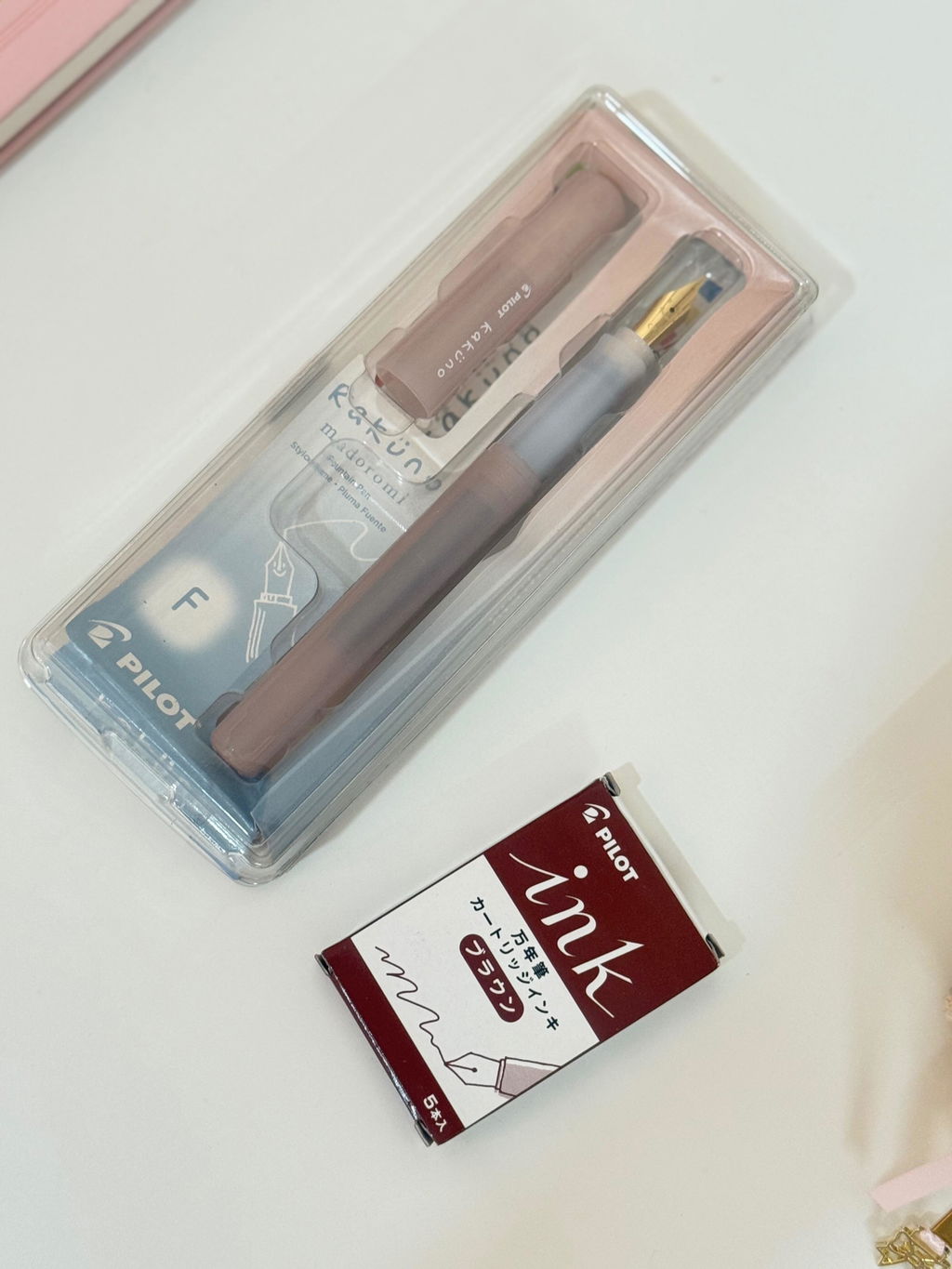
At around ₹500, you can already find a genuinely enjoyable fountain pen. This is where the focus is primarily on function, reliability and everyday usability.
You may get:
- A well-made body
- A reliable steel nib
- A refillable filling system
- Good ergonomics
- Reasonable finishing
- Consistent ink flow
And that's quite an achievement. A well-designed ₹500 fountain pen doesn't need to apologise for its price. It can be an excellent everyday writer. For someone discovering fountain pens for the first time, this price range can be the perfect entry point.
You get to experience the fundamental difference between a fountain pen and other writing instruments without making a major investment. And sometimes, that's all you need.
₹1,000–₹5,000: Better Materials, Better Refinement
As you move towards the ₹1,000–₹5,000 range, you start seeing more refinement.
The nib may be more carefully engineered.
The body may use better-quality resin, metal or other materials.
The cap and threads may feel more precise.
The balance may be better considered.
The filling system may be more sophisticated.
The overall finishing begins to feel more deliberate.
Most importantly, you're entering the territory where the pen starts feeling like a thoughtfully engineered object rather than simply a functional writing tool.
This is also a sweet spot for people who want to use fountain pens every day. You don't necessarily need to spend ₹50,000 to get an excellent writing experience. There are plenty of exceptional pens in the lower and mid-price ranges.
₹5,000–₹20,000: The Details Become More Noticeable
This is where things start getting particularly interesting for fountain pen enthusiasts. At this level, you may encounter:
- More sophisticated nibs
- Larger nib sizes
- Better converters or filling mechanisms
- Premium resins
- Ebonite
- Metal components
- More intricate finishes
- Better clips and trim
-
More precise manufacturing
The difference isn't always something you can see immediately. Sometimes it's something you feel.

The cap threads smoothly.
The pen sits differently in your hand.
The balance feels more intentional.
The nib has a particular character.
The ink flow feels controlled.
The finish catches the light differently.
These are small details individually.
Together, they create the experience of using a better-made object.
₹20,000–₹50,000: When the Nib Becomes a Major Part of the Experience
For many fountain pen enthusiasts, this is where the nib becomes a major reason to move up the price ladder.
You may start encountering gold nibs, larger nibs and more specialised nib designs. But there's an important misconception we want to clear up.
A gold nib isn't automatically better simply because it's gold.
A beautifully tuned steel nib can be fantastic.
The value of a premium nib comes from the combination of:
- Material
- Construction
- Nib geometry
- Tuning
- Flexibility or softness
- Flow characteristics
- Manufacturing expertise

Different writers want different things.
Some want an ultra-smooth nib, Some enjoy feedback, Some want a firm, precise writer, Others prefer softness and responsiveness.
This is where fountain pens become wonderfully personal.
₹50,000–₹1 Lakh: You're Paying for Craftsmanship
Once you're moving into the ₹50,000–₹1 lakh range, craftsmanship becomes increasingly important.
The materials may become significantly more premium.
You may encounter:
- Solid precious metals
- Premium ebonite
- Lacquer
- Sterling silver
- Gold trim
- Larger gold nibs
- Special filling mechanisms
- Limited editions
- Hand-finished details
And then there is the manufacturing itself.
A premium fountain pen may involve numerous individual components that have to be manufactured, fitted, polished and inspected to extremely tight standards.
The cost isn't simply the material sitting on your desk.
It's the expertise required to turn that material into a finished object. 
₹1 Lakh–₹5 Lakh: The Pen Becomes an Object of Art
At the highest levels of fountain pen collecting, the question changes.
You're no longer asking only:
"How well does it write?"
You're also asking:
"What is this object?"
At this level, you may encounter pens featuring:
Precious Materials
Gold, platinum, sterling silver and other valuable materials can significantly contribute to the cost.
Hand Engraving
Intricate engraving can involve considerable manual skill and time.
Urushi Lacquer
Traditional Japanese lacquer techniques can involve multiple layers, polishing and highly skilled craftsmanship.
Maki-e
This is where fountain pens can cross firmly into the world of art. Maki-e involves highly specialised Japanese decorative techniques using lacquer, powders and sometimes precious metals. A highly intricate piece can require enormous amounts of time and expertise.
Gemstones
Diamonds and other precious stones can become part of the design.
Limited Production
A pen produced in a few hundred pieces is fundamentally different from one produced in hundreds of thousands.
Collectability
At this point, the pen may be purchased not only to write with, but also to own, preserve and collect.

Why Does Craftsmanship Cost So Much?
This is perhaps the most important part of understanding luxury fountain pens. Imagine a design that takes a craftsman several days — or significantly longer — to complete.
The cost isn't just the raw material. You're paying for:
- Time
- Skill
- Experience
- Precision
- Tools
- Training
- Finishing
- Quality control
And sometimes, the ability to perform a technique that very few people in the world still practise. That's very different from mass production. And it's why two pens made from materials that appear superficially similar can have dramatically different prices.
Materials Matter — But They're Not Everything
It's easy to assume:
"This pen costs more because it uses gold." Sometimes that's true.
But materials alone don't explain luxury fountain pen pricing. Consider two pens made from the same basic material. One may be manufactured using automated processes at enormous scale. The other may involve hand polishing, hand engraving, specialist finishing and extensive inspection. The raw material may be similar. The finished objects aren't.
This is exactly the same reason two pieces of furniture made from the same wood can have completely different prices.
The material is only the starting point.
What About Gold Nibs?
Gold is one of the most visible differences between fountain pen price categories.
But again, we wouldn't recommend buying a gold nib simply because someone told you:
"Gold is better."
Instead, think about the writing characteristics you're looking for.
A premium gold nib can offer a particular feel, softness or responsiveness that appeals to certain writers. But a well-tuned steel nib can provide an exceptional writing experience too.
At Makoba, we believe the right nib is the one that works for your hand and your writing style, not simply the one with the most expensive material.
Why Brand Heritage Adds Value
There is another factor that becomes increasingly important as you move up the price scale: heritage.
Established fountain pen manufacturers have spent decades developing their designs, nibs, filling systems and manufacturing techniques.
Some have traditions that go back generations.
When you buy from such a brand, you're not simply buying the object. You're buying into a history of craftsmanship and expertise. That history doesn't automatically make every pen better.
But it does contribute to the value of a brand and its products.
Limited Editions Change the Equation
Imagine two pens that are technically similar. One is produced continuously. The other is limited to 100 pieces worldwide. The second pen has something the first doesn't: scarcity.
Once the production run ends, there will never be more of that exact pen made. For collectors, that matters.
Limited editions can feature unique colours, materials, artwork, historical references or special nibs.
At that point, the fountain pen starts behaving more like a collectible than a conventional writing instrument.

Does a ₹5 Lakh Fountain Pen Write 1,000 Times Better Than a ₹5,000 Pen?
No.
And we're not going to pretend it does. This is one of the most important things to understand about luxury fountain pens. Price doesn't increase in direct proportion to writing performance.
A ₹5,000 pen can give you an outstanding writing experience.
A ₹20,000 pen may offer additional refinement.
A ₹50,000 pen may introduce premium materials and craftsmanship.
A ₹5 lakh pen may represent artistry, rarity, precious materials and collectability.
You're not paying ₹5 lakh because the ink magically knows how much the pen cost. You're paying for everything that went into creating that particular object.
Think About Cars Again
This is probably the simplest comparison.
A ₹5 lakh car and a ₹5 crore car both have four wheels. Both have seats,Both have an engine or motor, Both can take you to your destination.
But the ₹5 crore car may offer:
- More sophisticated engineering
- Premium materials
- Higher performance
- Greater attention to detail
- Hand-finished components
- Advanced technology
- Exclusivity
- Heritage
- Limited production
The same principle applies to fountain pens.
A ₹500 fountain pen and a ₹5 lakh fountain pen share the same fundamental purpose. They write. But the journey from ₹500 to ₹5 lakh is about everything beyond that basic function.
So, Should You Buy an Expensive Fountain Pen?
Only if you appreciate what you're paying for.
If you simply want a reliable pen for everyday notes, there are wonderful options at accessible prices.
If you're fascinated by nibs, you might want to invest in a premium nib.
If you love Japanese craftsmanship, perhaps a beautifully made Japanese pen is worth it to you.
If you're a collector, a limited edition may be irresistible.
If you appreciate traditional decorative arts, an intricately crafted urushi or maki-e pen can be an extraordinary object.
There is no universally correct price point.
Your fountain pen should match your reason for owning it.
At Makoba, We Have Pens for Every Kind of Fountain Pen Lover
At Makoba, we don't believe that you need to spend ₹1 lakh to be a "real" fountain pen enthusiast.
And we certainly don't believe that someone who chooses a ₹500 pen is missing out.
We have a huge range of fountain pens across price points, because we understand that every writer comes to the hobby for a different reason.
- You may be looking for your first fountain pen.
- You may want a dependable everyday writer.
- You may be ready for your first gold nib.
- You may be building a collection.
- Or you may be looking for an exceptional limited-edition piece that represents craftsmanship at its highest level.
We have something for each of those journeys.
Explore our Fountain Pens collection and you'll see how dramatically the world of fountain pens can vary — in design, materials, nibs, craftsmanship and price.

The Real Question Isn't "Why Is This Pen So Expensive?"
Instead, ask:
"What am I getting for the additional money?"
At ₹500, you're primarily paying for a functional, enjoyable writing instrument.
At ₹5,000, you're entering a world of improved materials, engineering and refinement.
At ₹20,000–₹50,000, nib craftsmanship, premium materials and sophisticated construction become increasingly important.
At ₹50,000–₹1 lakh, craftsmanship, finishing and premium materials can become major parts of the experience.
At ₹1 lakh–₹5 lakh, you may be looking at precious materials, specialised craftsmanship, artistic techniques, limited production and collectability. And that's the key.
The most expensive pen isn't necessarily the best pen.
The best pen is the one whose qualities matter to you.
Because in the End, It's Still About Writing
A fountain pen costing ₹500 can give you immense joy.
So can one costing ₹50,000.
And yes, so can one costing ₹5 lakh.
The difference isn't that one "writes" and the other doesn't.
The difference is what surrounds the writing.
- The materials.
- The nib.
- The engineering.
- The craftsmanship.
- The finishing.
- The heritage.
- The rarity.
- The artistry.
The feeling of holding something that someone has spent extraordinary amounts of time and skill creating.
That's why the world of fountain pens has room for everything from an accessible everyday writer to a five-lakh collector's piece.
At Makoba, we don't want you to buy the most expensive pen you can afford.
We want you to find the pen that makes you want to write. And if that happens to be ₹500, ₹5,000, ₹50,000 or ₹5 lakh — that's perfectly fine with us. Because ultimately, the value of a fountain pen isn't determined by the number on its price tag. It's determined by what that pen means to the person holding it.
Explore the options with Makoba
Turn the ideas in this guide into a shortlist that suits the way you write. Our pen specialists can help you compare the options and check product details before you choose.
Ask a Makoba pen specialist · Our QC, dispatch photographs and protective packing · Visit our stores in Chennai, Delhi, Ahmedabad, Gurgaon and Bangalore


Leave a comment