 Skip to content




Why a Romanian Bank Banned Digital and Went Back to Pen and Paper — And What It Tells Us About the Future of Writing
In a world racing towards full digitalisation, one story stopped the global banking community in its tracks. A Romanian bank — faced with escalating cybersecurity threats, devastating data breaches, and an alarming vulnerability in its digital infrastructure — made a decision that seemed almost unthinkable in the modern age. It pulled its most sensitive operations off digital systems entirely and returned to pen and paper.
No screens. No keyboards. No cloud storage. Just ink on paper.
The story made headlines across Europe and quietly rippled through boardrooms, government offices, and financial institutions worldwide. Because what happened in Romania was not a step backwards. It was a statement — a bold, calculated, and deeply rational response to a digital world that has become dangerously fragile.
And it raises a question that every professional, every organisation, and every individual should be asking right now: have we given up too much by abandoning the written word?
The Romanian Bank Story — What Actually Happened
A Cybersecurity Crisis That Changed Everything
Romania has been one of Eastern Europe's most digitally aggressive nations — a country that embraced internet infrastructure early, built a thriving tech sector, and pushed its financial institutions toward full digital operations. But with that digital ambition came exposure.
Romanian banks, like financial institutions across the world, became prime targets for sophisticated cyberattacks. Ransomware, phishing attacks, man-in-the-middle exploits, and state-sponsored hacking attempts became an almost daily reality for the country's banking sector. Sensitive customer data, transaction records, and internal communications were all at risk — stored on servers, transmitted over networks, and accessible to anyone with the right tools and the wrong intentions.
The response from one institution was radical by modern standards but logical by historical ones. For its most sensitive internal processes — certain approvals, record-keeping, authorisation trails, and documentation — the bank reverted to handwritten records on paper. Physical documents, signed by hand, stored securely in locked facilities.
The reasoning was devastatingly simple: you cannot hack a piece of paper.
Why Paper Became the Most Secure Medium in the Room
Digital systems, no matter how well protected, share a fundamental vulnerability — they are connected. Connected to networks, to servers, to the internet, to other systems. And every connection is a potential entry point for a bad actor.
Paper has none of these vulnerabilities. A handwritten document stored in a secure physical location cannot be accessed remotely. It cannot be encrypted by ransomware. It cannot be intercepted in transit over a network. It cannot be cloned, altered, or deleted without leaving physical evidence.
For a bank dealing with authorisation records, high-value transaction approvals, and sensitive client documentation, this is not a trivial advantage. It is a fundamental security property that no digital system can fully replicate.
The Romanian bank's decision was not about nostalgia. It was about threat modelling — identifying the most secure method of storing critical information and choosing it rationally, regardless of how unconventional it appeared.
The Global Shift — Other Institutions Following Suit
Governments and Intelligence Agencies That Never Left Paper
Here is something that rarely gets discussed in mainstream technology media: the world's most powerful intelligence agencies never fully abandoned paper. The CIA, MI6, and their counterparts across the globe have always maintained paper-based record systems for their most sensitive operations. Classified documents are printed, signed, stored in physical vaults, and transported by hand.
The reason is identical to the Romanian bank's logic. The most sensitive information in the world is protected not by the most sophisticated digital encryption but by the most fundamental analogue barrier — physical inaccessibility.
European Financial Institutions Reassessing Digital Dependency
The Romanian bank's story is not an isolated incident. Across Europe, financial regulators and compliance officers have begun pushing for hybrid systems — digital for speed and convenience, paper for permanence and security. The European Banking Authority has increasingly emphasised the importance of physical audit trails for high-value transactions.
Several Swiss private banks — institutions that manage the wealth of some of the world's most influential individuals — have long maintained handwritten ledgers and paper-based authorisation systems alongside their digital infrastructure. This is not tradition for tradition's sake. It is a security architecture decision made by some of the most sophisticated financial minds on earth.
Corporate Boardrooms Rediscovering the Notebook
Beyond banking, corporate leaders across industries are quietly returning to paper for their most important thinking. Amazon famously requires executives to write six-page narrative memos by hand before major meetings. Jeff Bezos built one of the world's most valuable companies on a culture that valued written thought over PowerPoint presentations.
Across Silicon Valley — ironically, the birthplace of the paperless office — notebooks, fountain pens, and handwritten journals have become status symbols among the most influential technology executives. The people who build the digital world are increasingly choosing to think in the analogue one.
The Science Behind Why Handwriting Works Better
What Neuroscience Tells Us About Pen and Paper
The Romanian bank's decision may have been driven by security, but the science of handwriting reveals an even deeper truth — the human brain is fundamentally different when it writes by hand compared to when it types.
Research from Princeton University and UCLA demonstrated conclusively that students who take notes by hand retain information significantly better than those who type. The reason is elegant: handwriting is slower than typing, which forces the brain to process, summarise, and synthesise information rather than transcribe it verbatim. The physical act of forming letters on paper creates stronger neural pathways and deeper memory encoding.
This is not a minor difference. Studies show that handwritten note-takers outperform typists on conceptual understanding questions by a substantial margin — even when typists are allowed to review their more complete notes before testing.
The Focus Effect — Why Paper Eliminates Distraction
A laptop is a distraction machine with a word processor attached. Every notification, every browser tab, every social media alert competes for attention the moment a device is opened. Paper has no notifications. A notebook does not ping. A fountain pen does not have a battery that needs charging or a software update that demands attention mid-sentence.
The focus that paper creates is not accidental — it is architectural. The medium itself demands presence. When you write by hand, you are doing one thing. That singularity of attention produces better thinking, better decisions, and better outcomes.
Memory, Creativity, and the Tactile Advantage
Psychologists who study creativity have consistently found that physical, tactile engagement — the pressure of a pen on paper, the resistance of the page, the visual trail of ink — activates parts of the brain that keyboard input does not reach. Creative professionals who write by hand report greater idea generation, stronger narrative instincts, and a more natural flow of thought.
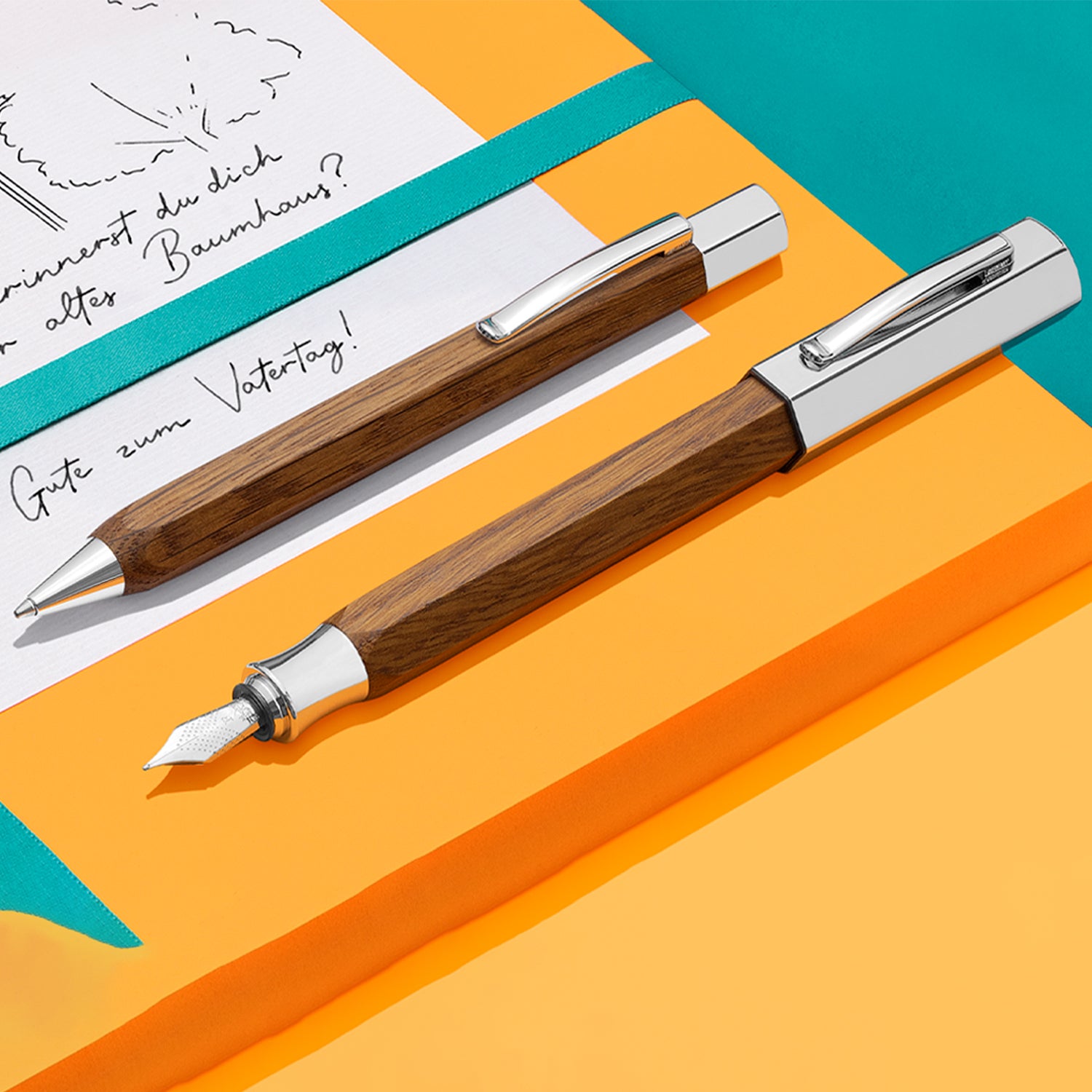
The tactile feedback of a quality fountain pen on premium paper is not merely pleasant — it is cognitively productive. The experience of writing with a well-tuned nib, watching vivid ink flow across a smooth page, creates a state of engaged focus that digital tools simply cannot replicate.
What This Means for the Future of Writing
The Hybrid Future — Digital for Speed, Paper for Permanence
The most thoughtful organisations are not choosing between digital and analogue — they are choosing both, deliberately and strategically. Digital systems for communication, data processing, and convenience. Paper for permanence, security, authorisation, and deep thinking.
This hybrid approach is not a compromise — it is a sophistication. It recognises the genuine strengths of each medium and deploys them appropriately. The organisations that will thrive in the coming decades are those that understand when to use a screen and when to pick up a pen.
The Pen as a Professional Instrument — Not a Relic
There is a dangerous cultural assumption that has grown over the past two decades — the idea that digital tools are inherently superior to analogue ones, and that choosing paper over a screen is somehow backwards or inefficient. The Romanian bank's story challenges this assumption at its foundation.
A pen is not a relic. It is a precision instrument with specific, irreplaceable capabilities. It creates permanent, unhackable records. It engages the brain in ways that keyboards cannot. It signals intentionality — a handwritten signature, a handwritten note, a handwritten authorisation carries a weight and authenticity that a typed document can never fully replicate.
The most powerful professionals in the world understand this. The pen on their desk is not there out of habit. It is there because they know something that the paperless office movement forgot — that the written word, produced by hand with a quality instrument, is one of the most powerful tools a human being can wield.
The Return of Writing Culture in India
India has a particularly profound relationship with the written word. From the ancient tradition of manuscript writing to the rigorous handwriting education in Indian schools, the physical act of writing is deeply embedded in Indian culture and identity.
Indian professionals, students, and intellectuals are increasingly rediscovering this connection. The fountain pen community in India has grown dramatically over the past five years — driven by a generation that grew up digital but craves the depth, focus, and authenticity that only analogue writing can provide.
Corporate India is waking up to the power of the handwritten gesture — the personally signed letter, the handwritten note of appreciation, the luxury pen given as a gift that says far more than any digital message ever could.
The Writing Instruments That Are Leading This Renaissance
Fountain Pens — The Ultimate Writing Experience
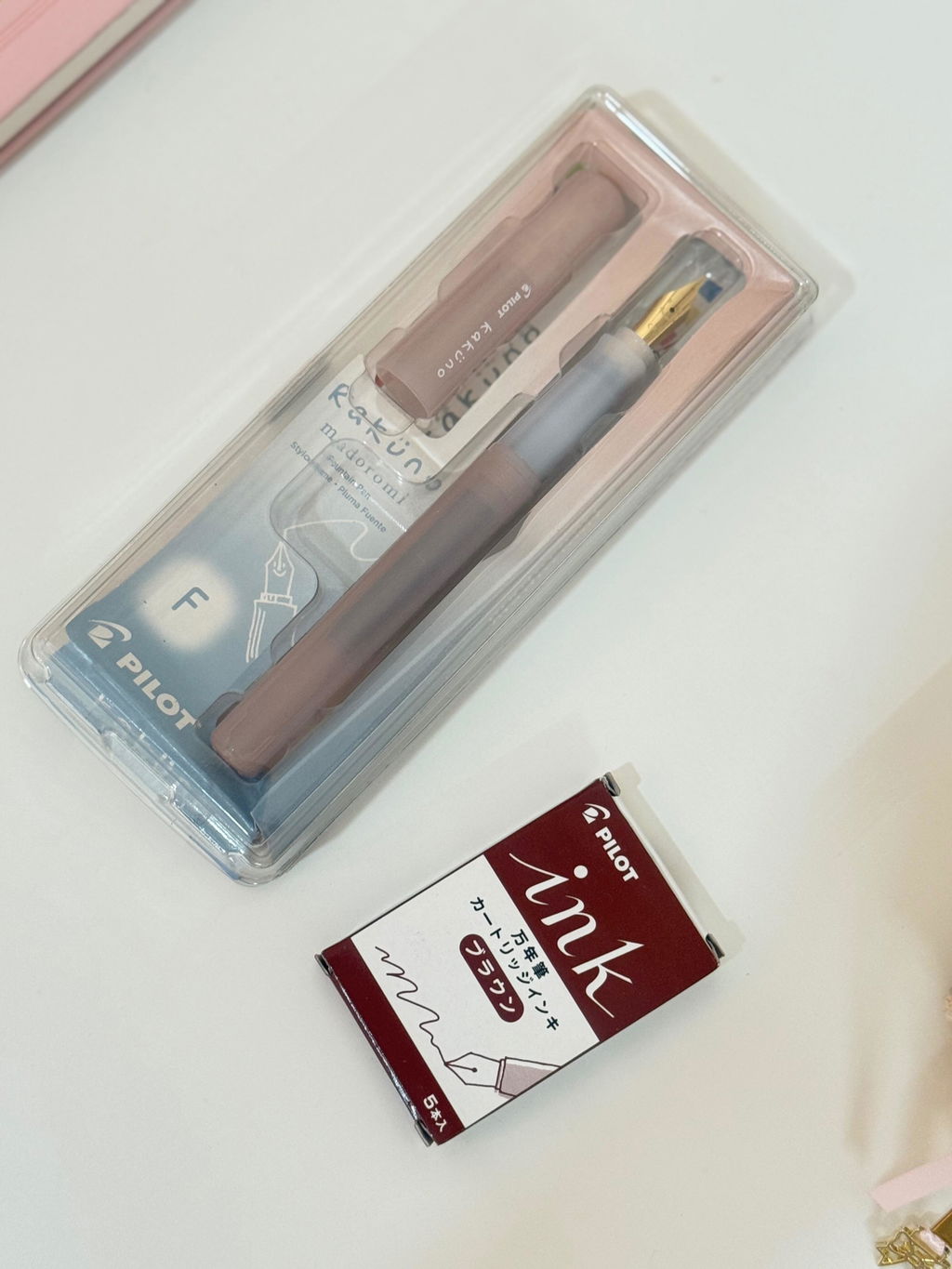
If the world is returning to pen and paper, it deserves to return with the finest instruments available. The fountain pen is the pinnacle of writing instrument design — a tool that has been refined over more than a century to deliver an effortless, expressive, deeply satisfying writing experience.
A quality fountain pen requires almost no pressure to write. The nib glides across paper, depositing ink through the miracle of capillary action, producing lines of varying width and character that reflect the writer's individual hand. Writing with a fountain pen is not just functional — it is pleasurable. And pleasure creates habit. And habit creates the daily writing practice that transforms how you think, work, and communicate.
Key Highlights of Fountain Pens:
-
Zero pressure writing reduces hand fatigue dramatically
-
Expressive line variation reflects individual handwriting character
-
Refillable with bottled ink — sustainable and cost-effective long term
-
Available from entry-level everyday writers to extraordinary collector pieces
-
A single quality fountain pen can last a lifetime with proper care
Rollerball Pens — Precision Meets Convenience
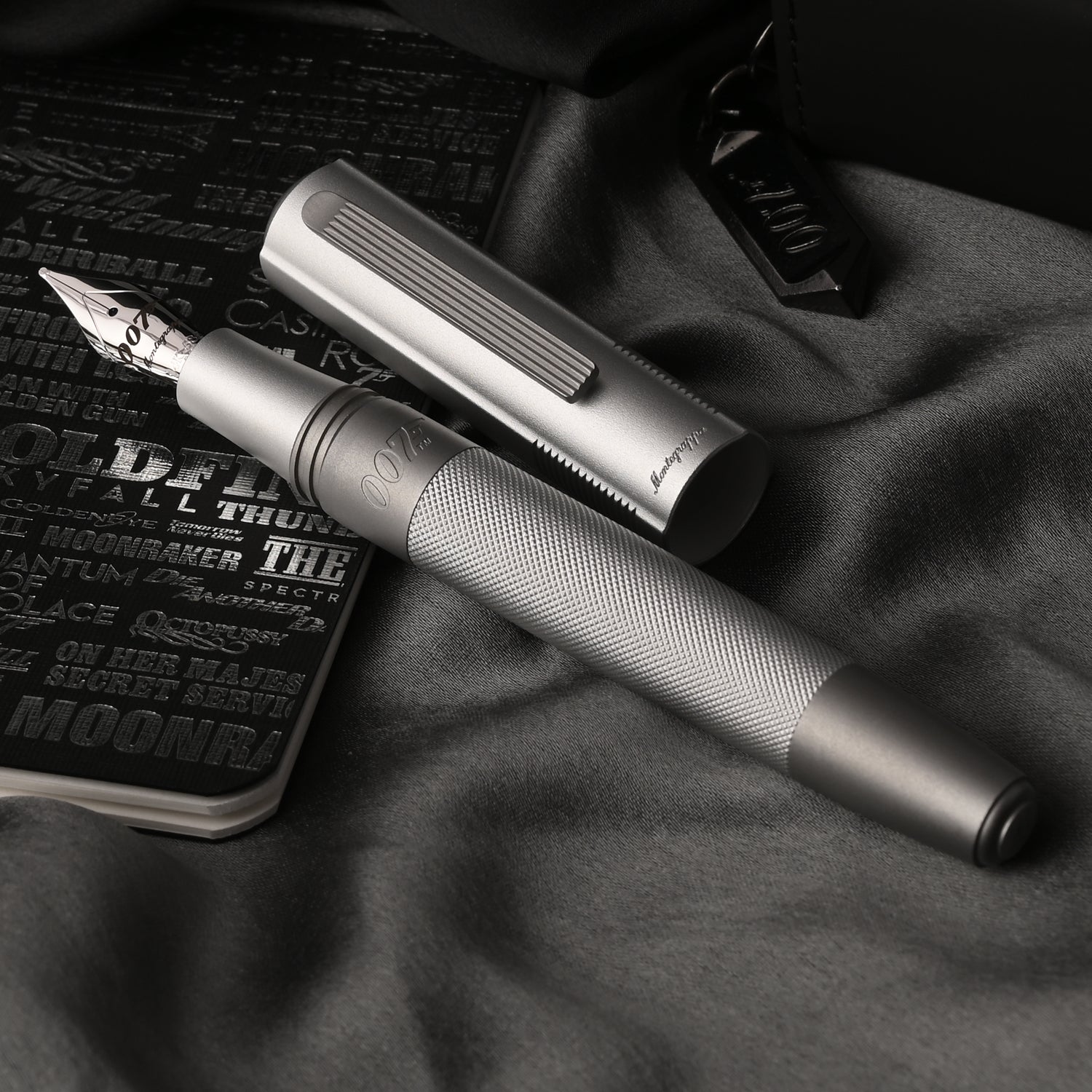
For professionals who want the smooth, effortless ink flow of a liquid ink instrument without the learning curve of a fountain pen, the rollerball is the perfect answer. Rollerball pens use water-based liquid ink that flows freely and produces crisp, vivid lines on virtually any paper.
The rollerball is the weapon of choice for executives who sign documents all day, professionals who take meeting notes at speed, and anyone who wants a writing experience significantly superior to a ballpoint without the maintenance of a fountain pen.
Key Highlights of Rollerball Pens:
-
Smooth, effortless writing with water-based liquid ink
-
No pressure required — ideal for extended writing sessions
-
Crisp, vivid lines on most paper types
-
Available in refillable formats from all major luxury brands
-
The ideal pen for signatures, note-taking, and professional correspondence
Luxury Ballpoint Pens — The Reliable Professional Standard
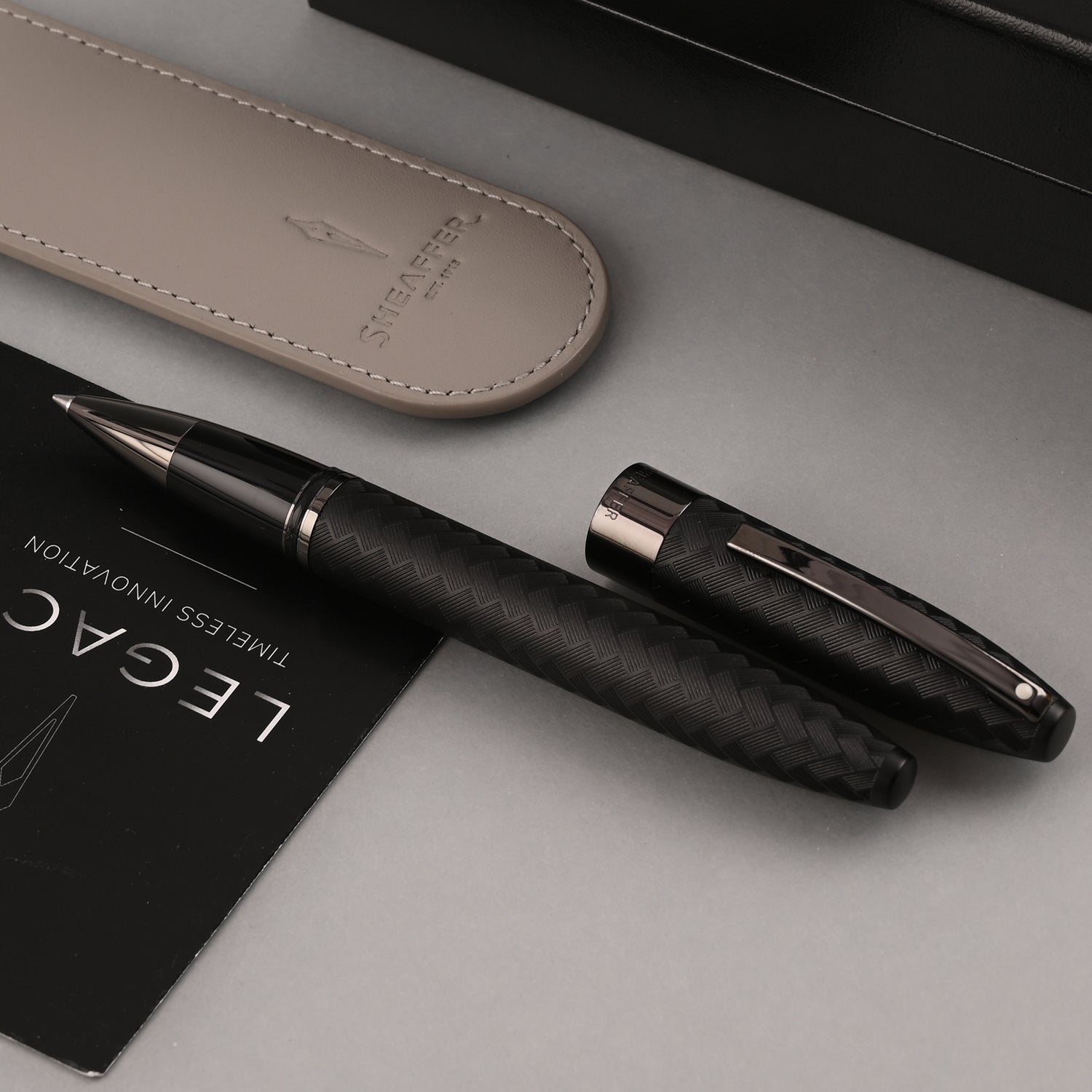
The ballpoint pen remains the world's most widely used writing instrument — and in its luxury form, it is a formidable tool. Premium ballpoint pens from brands like Montblanc, Pelikan, Cross, and Waterman deliver consistent, reliable performance in all conditions, with oil-based ink that writes on virtually any surface.
For banking professionals, government officials, and corporate executives who need a writing instrument that works flawlessly every single time — in any temperature, on any document — a premium ballpoint is indispensable.
Key Highlights of Luxury Ballpoint Pens:
-
Oil-based ink writes on virtually any surface in any condition
-
No drying out — ready to write instantly every time
-
Consistent line quality regardless of writing angle or pressure
-
Refillable — one pen serves years of professional use
-
Available in extraordinary designs from the world's finest pen makers
The Inks That Make Every Word Count
Why Premium Ink Matters
If you are returning to paper for security, focus, or the sheer pleasure of writing, the ink you choose matters enormously. Premium fountain pen inks offer properties that standard inks cannot match — archival permanence, water resistance, extraordinary colour depth, and formulations that protect your pen's internal mechanisms while delivering a flawless writing experience.
Iron Gall Inks — Built for Permanence
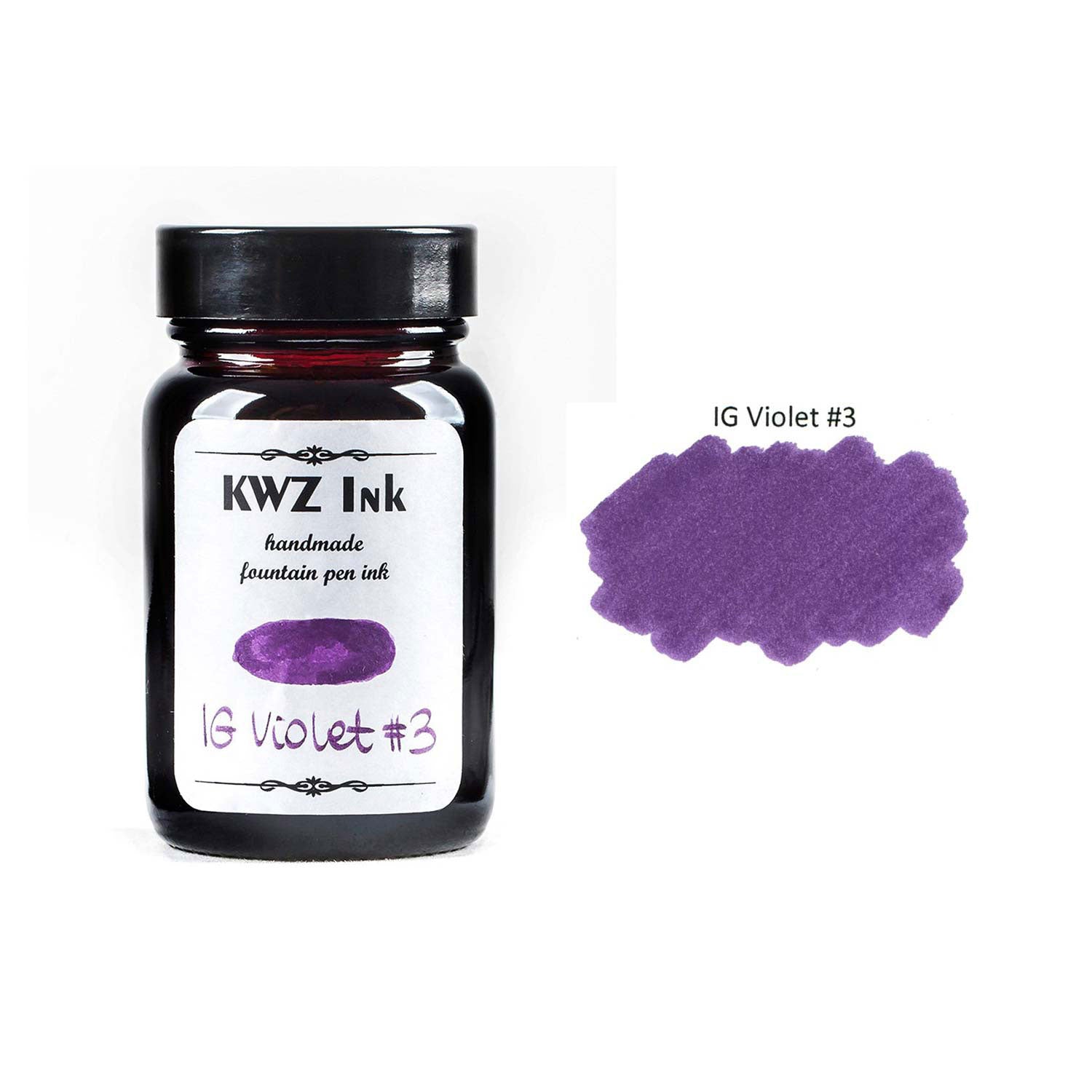
Iron gall ink has been used for over a thousand years. It is the ink of medieval manuscripts, legal documents, and historical records. When it dries on paper, it bonds chemically with the cellulose fibres, becoming effectively permanent and highly resistant to water and fading.
For banking, legal, and corporate applications where document permanence matters, iron gall ink is the professional's choice. Brands like Rohrer and Klingner and KWZ Inks produce outstanding iron gall formulations available at Makoba.

Pigment Inks — The Archival Standard
Pigment-based inks use suspended particles rather than dissolved dyes, producing extraordinarily crisp, water-resistant, UV-resistant lines that remain vivid for decades. For any document that needs to last — contracts, authorisations, personal correspondence intended to be kept — pigment ink is the standard.
Premium Dye Inks — Where Colour Meets Performance
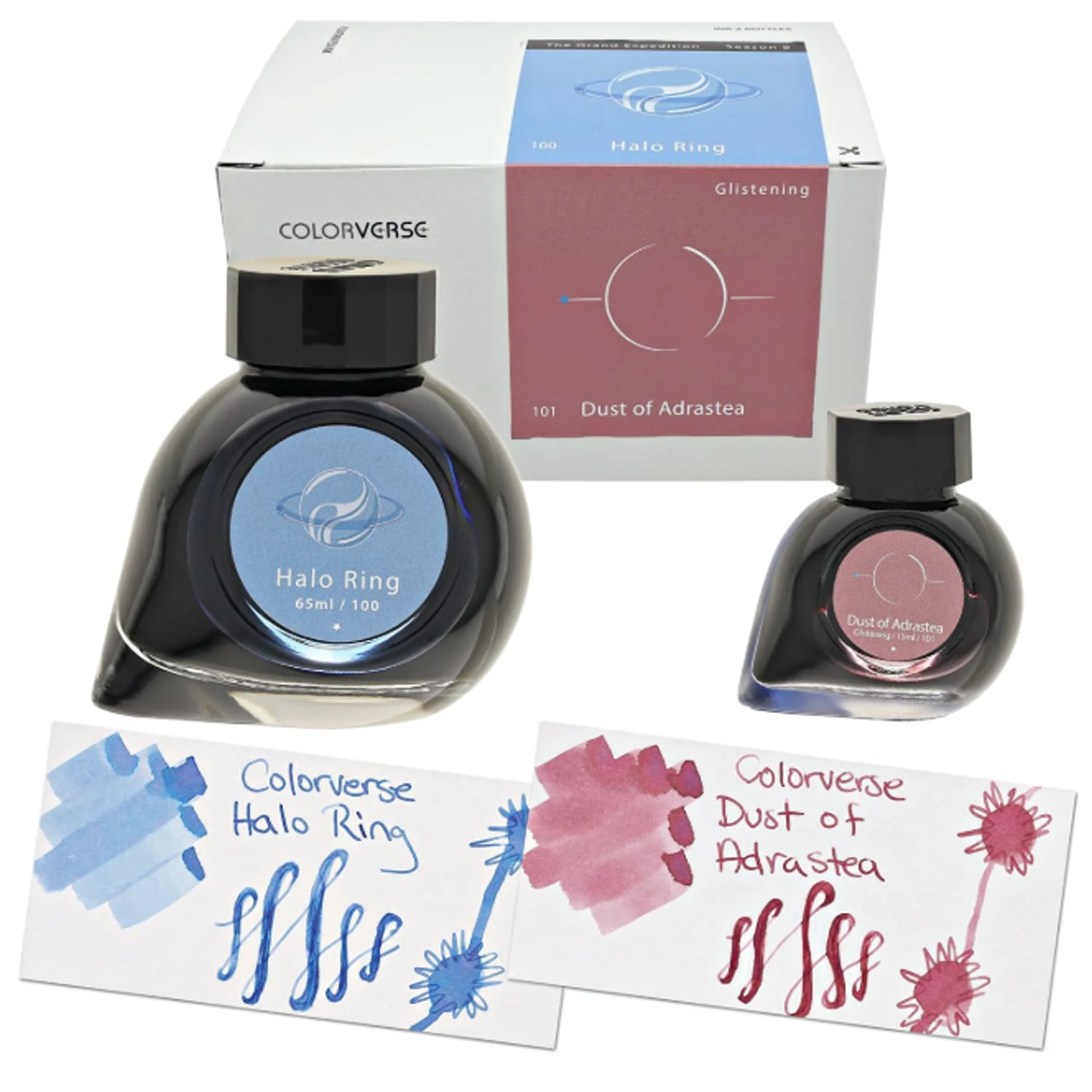
For everyday professional and personal writing, premium dye-based inks from brands like Diamine, Pilot Iroshizuku, J. Herbin, and Colorverse offer an extraordinary range of colours, excellent flow, and formulations that are gentle on pen internals while delivering vibrant, characterful writing.
The Notebooks That Deserve Your Best Pen
Why Paper Quality Is Not Optional
Returning to pen and paper means nothing if the paper undermines the experience. Most standard office paper and notebooks sold in India are designed for ballpoint pens — they cause fountain pen ink to feather, bleed through, and look dull. Premium fountain pen-friendly paper transforms the writing experience entirely.
Rhodia — The Professional's Paper Standard
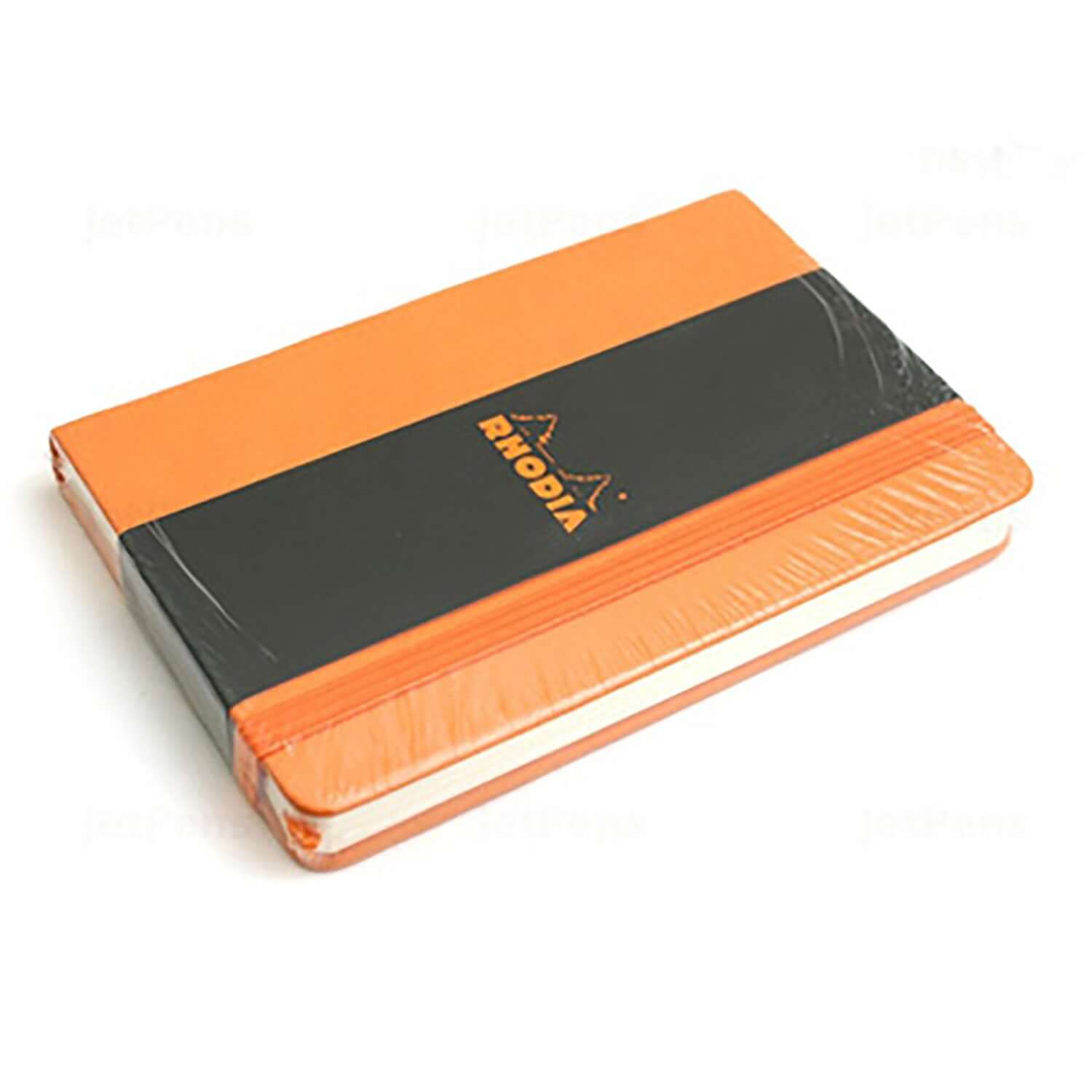
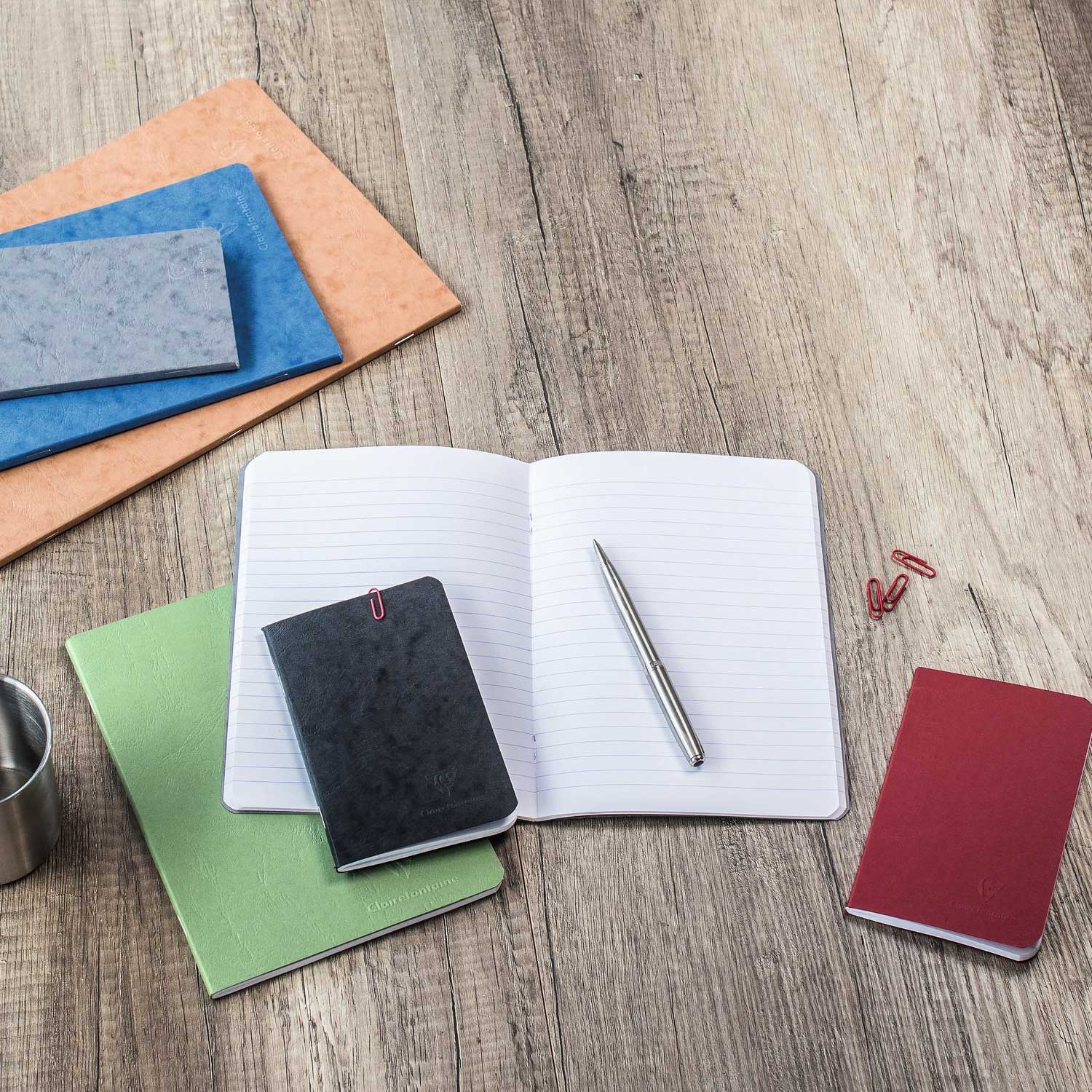
Rhodia notebooks are built around Clairefontaine paper — 80 GSM, coated, extraordinarily smooth, with zero feathering and virtually no bleed-through even with the wettest fountain pen inks. Used by writers, architects, and executives across Europe for decades.
Key Highlights:
-
80 GSM Clairefontaine paper — industry gold standard
-
Available in grid, dot, and lined formats
-
Stiff covers for writing on the go
-
Ink dries quickly with vivid colour reproduction
-
Perfect companion for any fountain pen or rollerball
Leuchtturm1917 — The Thinking Person's Notebook
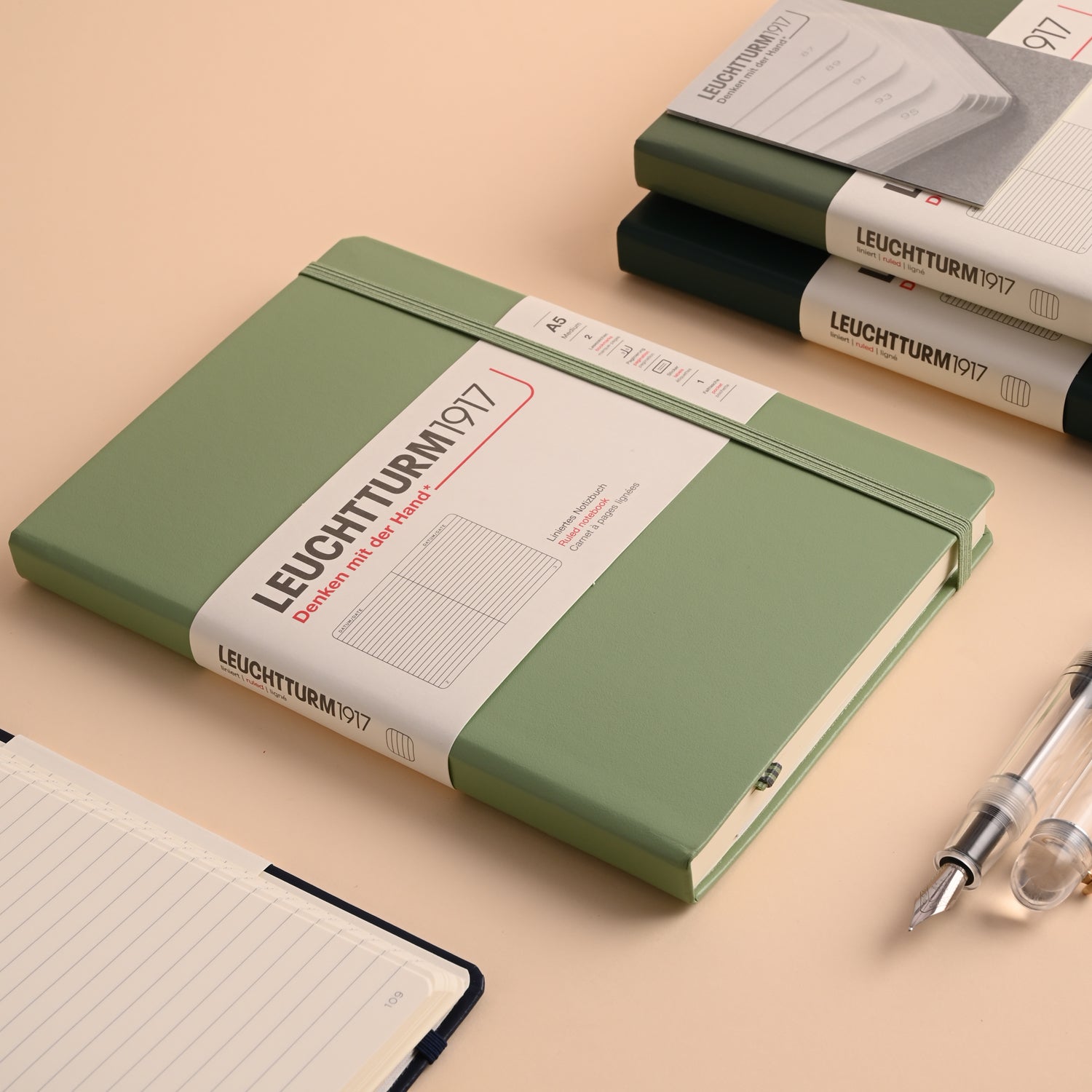
Leuchtturm1917 has become the notebook of choice for serious journalers, professionals, and creative thinkers worldwide. Numbered pages, a table of contents, an index, and an elastic closure make it as functional as it is beautiful. The paper handles fountain pen ink with grace.
Key Highlights:
-
Numbered pages with index and table of contents
-
Available in A4, A5, and pocket sizes
-
Multiple colour covers — from classic black to vibrant seasonal editions
-
80 GSM paper with good fountain pen compatibility
-
Hardcover and softcover options available
Clairefontaine — Pure French Paper Excellence
Clairefontaine paper is the benchmark against which all other fountain pen paper is measured. Silky smooth, with exceptional ink absorption and zero bleed-through, writing on Clairefontaine is one of the purest pleasures available to any pen enthusiast.
Key Highlights:
-
The smoothest writing paper commercially available
-
90 GSM — handles even the wettest inks flawlessly
-
Made in France to extraordinary quality standards
-
Available in multiple formats and sizes
-
The definitive answer to fountain pen-friendly paper
Why Buy From Makoba
Makoba is India's most trusted and comprehensive destination for premium writing instruments — and there are very specific reasons why India's most discerning writers, collectors, corporate buyers, and gifting professionals choose us above all others.
We stock over 80 of the world's finest pen brands under one roof — from everyday writers to extraordinary limited editions. Every single product sold at Makoba is 100% authentic, sourced directly from brands or their authorised distributors. There are no grey market products, no counterfeits, no compromises.
Our team brings genuine expertise and personal passion to every interaction. Whether you are buying your first fountain pen, sourcing luxury pens for corporate gifting, or hunting for a specific limited edition, our specialists guide you with knowledge, honesty, and care. Our customer Sam and the wider Makoba team are known across India's pen community for service that goes far beyond a transaction.
We offer safe, insured shipping across India with packaging designed to protect even the most delicate instruments. Our return and exchange policy is clear and fair. And our community of over 1,000 verified reviewers speaks to an experience that consistently exceeds expectations.
Makoba is not just a pen store. It is the home of India's writing community — a place where the love of fine writing instruments is understood, celebrated, and served with the seriousness it deserves.
In a world where a Romanian bank trusted paper over a server, choosing the right pen and the right place to buy it has never mattered more.
The Final Word — The Pen Is Not just Mightier Than the Sword. It Is Mightier Than the Server.
The Romanian bank's story is not really about banking. It is not really about cybersecurity. It is about something far more fundamental — the enduring power of the written word, produced by a human hand, on a physical page.
In choosing paper over pixels for its most critical operations, that bank made a statement that resonates far beyond the financial sector. It said that some things are too important to trust to a network. Some records are too valuable to leave exposed to the vulnerabilities of the digital world. Some moments require the permanence, the authenticity, and the irreplaceable security of ink on paper.
The future of writing is not digital. It is not analogue either. It is intentional — choosing the right tool for the right moment, with full understanding of what each medium offers and what it costs.
And when that moment calls for a pen — for a signature, for a note, for a record that must last, for a thought that deserves to be expressed with care — it deserves the finest instrument available.
That instrument is waiting for you at Makoba.
Ready to begin or return to your writing journey? Explore Makoba's complete collection of fountain pens, rollerballs, luxury ballpoints, premium inks, and fountain pen-friendly notebooks — curated by people who love writing as much as you do.
Explore the options with Makoba
Turn the ideas in this guide into a shortlist that suits the way you write. Our pen specialists can help you compare the options and check product details before you choose.
Ask a Makoba pen specialist · Our QC, dispatch photographs and protective packing · Visit our stores in Chennai, Delhi, Ahmedabad, Gurgaon and Bangalore


Leave a comment