 Skip to content




Inside the World of Maki-e Fountain Pens: Why These Are True Collectibles
In the universe of fine writing instruments, there exists a rare category where art surpasses function and becomes legacy. Maki-e fountain pens belong to this world. These are not merely luxury pens. They are handcrafted works of art, rooted in centuries-old Japanese lacquer traditions, carrying stories, symbolism, and mastery that no machine can replicate.
Collectors, connoisseurs, and serious pen enthusiasts across the world regard Maki-e fountain pens as heirloom-grade collectibles—objects that appreciate not only in value, but in cultural significance over time.
To understand why Maki-e pens occupy such a revered position, one must explore their origins, the painstaking craftsmanship involved, and the legendary brands that have carried this tradition forward—most notably Namiki, Sailor, Pelikan and Platinum.
The Birth of Maki-e Fountain Pens
From Ancient Japanese Art to Modern Writing Instruments
Maki-e is a traditional Japanese lacquer art technique that dates back over 1,200 years. The term “Maki-e” literally means “sprinkled picture”. The technique involves sprinkling gold, silver, or platinum powder onto wet lacquer to create intricate designs.
At the start of the 20th century, Japanese craftsmen achieved something revolutionary:
they adapted this ancient art form onto the body of a fountain pen.
This marked the birth of the Maki-e fountain pen—a writing instrument that combined:
- A strong, elegant lacquered body
- Symbolic Japanese artistry
- Precision-engineered gold nibs
- The soul of centuries-old craftsmanship
The results were extraordinary. These pens were immediately recognised worldwide as objects of beauty, refinement, and technical brilliance.
Urushi Lacquer: The Foundation of All Maki-e Pens
Every authentic Maki-e pen begins with Urushi lacquer, derived from the sap of the Japanese Urushi tree.
- Naturally glossy, deep, and warm finish
- Becomes stronger and more durable over time
- Resistant to heat, moisture, and aging
- Requires months—or even years—to apply and cure
Each pen undergoes multiple layers of lacquer, carefully applied and polished by hand. No shortcuts. No machines. This alone places Maki-e pens in a category beyond mass-produced luxury.
Maki-e Techniques: Levels of Artistry
Not all Maki-e pens are created equal. There are multiple techniques, each requiring escalating levels of mastery.
Togidashi Maki-e
- Designs are buried under layers of lacquer and polished out
- Creates a seamless, glowing surface
- Used in many high-end Namiki pens
Taka Maki-e
- Raised designs that create depth and texture
- Requires extreme precision and time
Chinkin
- Designs are engraved into hardened lacquer and filled with gold
- Exceptionally durable and visually powerful
Rankaku, Raden, and Hybrid Techniques
- Use eggshells, mother-of-pearl, or layered materials
- Found in museum-grade pens
These techniques explain why a single Maki-e pen may take 6 months to several years to complete.
Namiki: The Supreme Name in Maki-e Fountain Pens
When discussing Maki-e pens, Namiki is the undisputed benchmark.
The Namiki Philosophy
Namiki represents the pinnacle of Japanese craftsmanship. Each Namiki Maki-e pen is created by Kokkokai master artisans, whose skills are passed down through generations.
Namiki pens are known for:
- Absolute perfection in Urushi lacquer
- Deep symbolic storytelling
- Museum-grade finishing
- Exceptional gold nib performance
Namiki Maki-e pens are not produced in large quantities. Some designs are made only a few times a year.
Five Iconic Namiki Maki-e Fountain Pens
Namiki Emperor Maki-e
- The largest and most prestigious Namiki pen
- Massive Urushi body with commanding presence
- Features traditional Japanese motifs like dragons, phoenixes, and Mount Fuji
- 18k gold nib, tuned for luxurious ink flow
- Considered a grail pen among collectors

Namiki Chinkin Maki-e
- Executed using the Chinkin engraving technique
- Symbolises strength, courage, and authority
- Deep contrast between black Urushi and gold inlay
- Extremely durable and visually striking
- Features graceful flowing patterns inspired by nature
- Subtle elegance rather than bold symbolism
- Ideal for collectors who appreciate understated luxury

Namiki Nippon Art Collection
- Entry point into authentic Maki-e artistry
- Features iconic Japanese imagery like Mt. Fuji, koi, cranes, and temples
- Hand-applied Maki-e, not printed
- Highly collectible due to limited production
Namiki Yukari Royale Maki-e
- Slightly smaller than Emperor but equally refined
- Togidashi and Taka Maki-e techniques
- Balanced size suitable for daily writing and collection
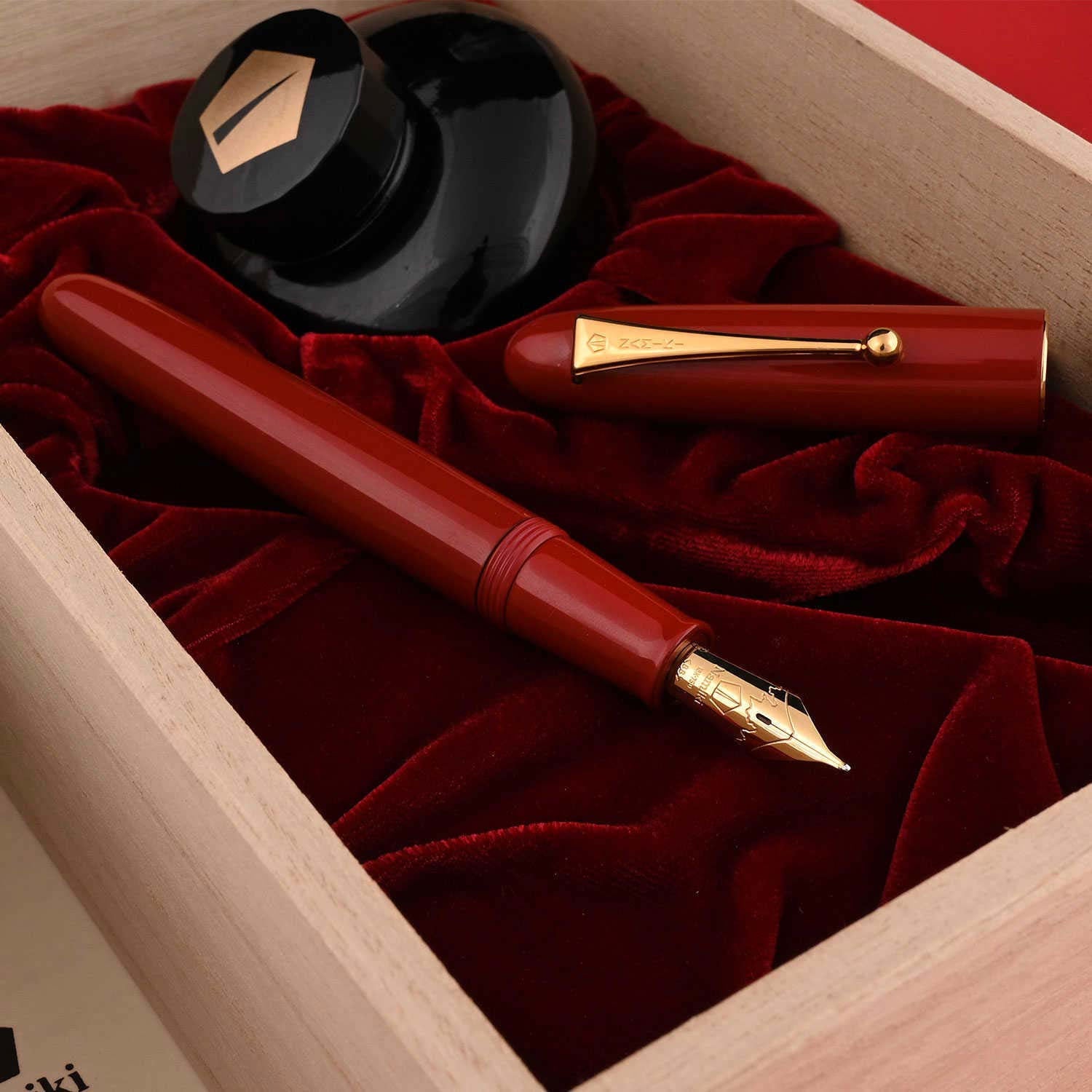
Sailor Maki-e Pens: Precision Meets Artistic Discipline
While Namiki dominates the ultra-high end, Sailor is revered for combining extraordinary nib engineering with refined Maki-e artistry.
Sailor Maki-e pens are known for:
- Extremely precise gold nibs (14k and 21k)
- Balanced artistic themes
- Exceptional writing consistency
- Strong collector following
Five Notable Sailor Maki-e Fountain Pens
- Large-bodied pen with commanding presence
- Elaborate Taka Maki-e artwork
- 21k gold nib known for glassy smoothness

Sailor Kaga Maki-e Series
- Inspired by classical Japanese paintings
- Elegant, traditional themes
- Excellent balance between art and usability

Sailor Profit Maki-e
- More compact but still handcrafted
- Ideal for collectors who want Maki-e in a practical size

Sailor Ebonite Maki-e Limited Editions
- Natural ebonite base with Urushi finish
- Limited production runs increase collectibility
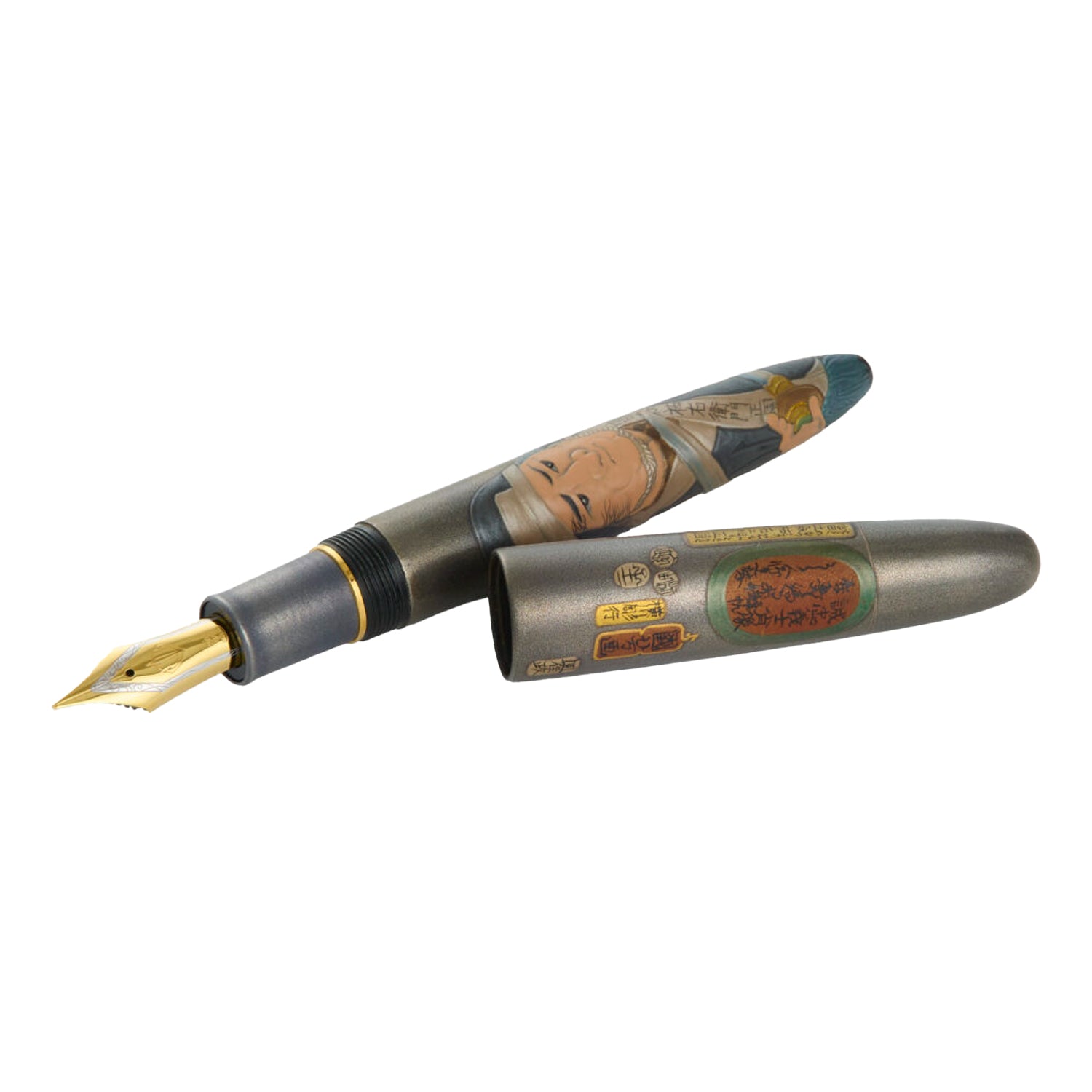
Sailor Zodiac Maki-e Series
- Features Japanese zodiac motifs
- Popular among collectors for symbolic meaning
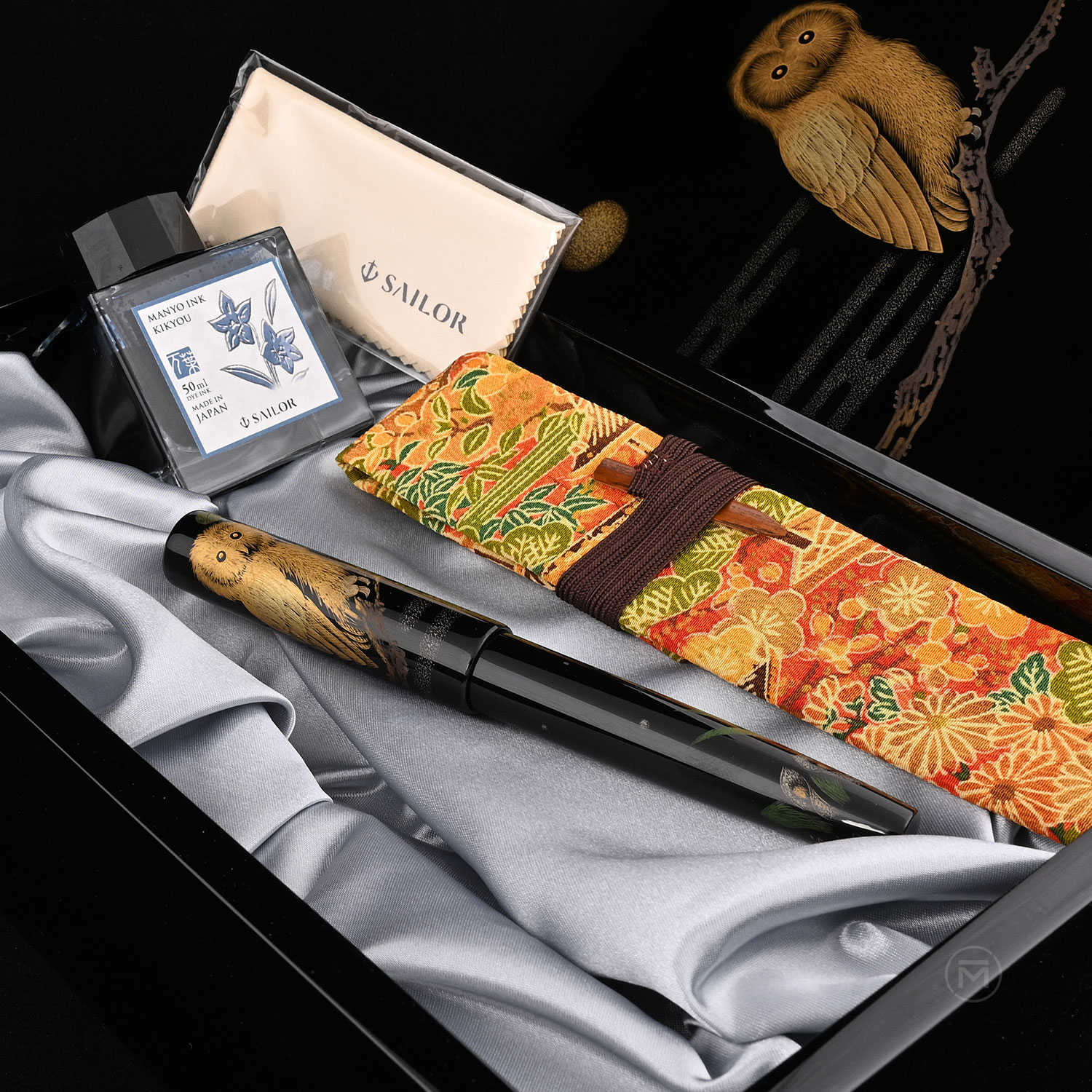
Pelikan Maki-e Fountain Pens: German Mastery Meets Japanese Lacquer Art
In the elite world of Maki-e fountain pens, Pelikan holds a very special place. Unlike purely Japanese Maki-e makers, Pelikan represents a rare East–West collaboration, where legendary German pen engineering is combined with authentic Japanese Urushi lacquer and traditional Maki-e techniques.
Pelikan Maki-e pens are not decorative experiments or surface embellishments. They are true Maki-e works, created by Japanese master craftsmen on Pelikan’s most prestigious platform—the M1000. Production numbers are extremely limited, and many designs are never repeated, making these pens highly desirable among serious collectors.
Why Pelikan Maki-e Pens Are So Special
Pelikan Maki-e fountain pens stand apart for several key reasons:
- Built on the iconic Pelikan M1000, one of the finest piston-filler pens ever made
- Finished with authentic Japanese Urushi lacquer, not synthetic coatings
- Decorated using traditional hand-applied Maki-e techniques
- Created in very small batches, often discontinued permanently
- Combine European engineering reliability with Japanese artistic heritage
This makes Pelikan Maki-e pens both investment-grade collectibles and outstanding writers.
The Pelikan M1000: The Perfect Canvas for Maki-e
All Pelikan Maki-e editions are based on the flagship M1000 model.
Why the M1000 is ideal for Maki-e
- Large, uninterrupted surface for complex artwork
- Oversized 18k gold nib with a soft, expressive writing feel
- Legendary piston-filling mechanism with exceptional ink capacity
- Excellent balance despite its size
- Built to last generations, matching the longevity of Urushi lacquer
The result is a pen that feels as luxurious in the hand as it looks to the eye.
Iconic Pelikan Maki-e Fountain Pens
Pelikan M1000 Maki-e Ivy & Komon
The Ivy & Komon is a single, unified Maki-e design and one of Pelikan’s most refined artistic expressions.
- Combines flowing ivy vines with traditional Komon textile patterns
- Symbolises growth, continuity, and harmony
- Demonstrates extraordinary precision due to the density of the pattern
- Subtle, sophisticated design rather than bold imagery
- Highly prized by collectors for its elegance and restraint
This pen rewards close inspection—the more you look, the more detail you discover.

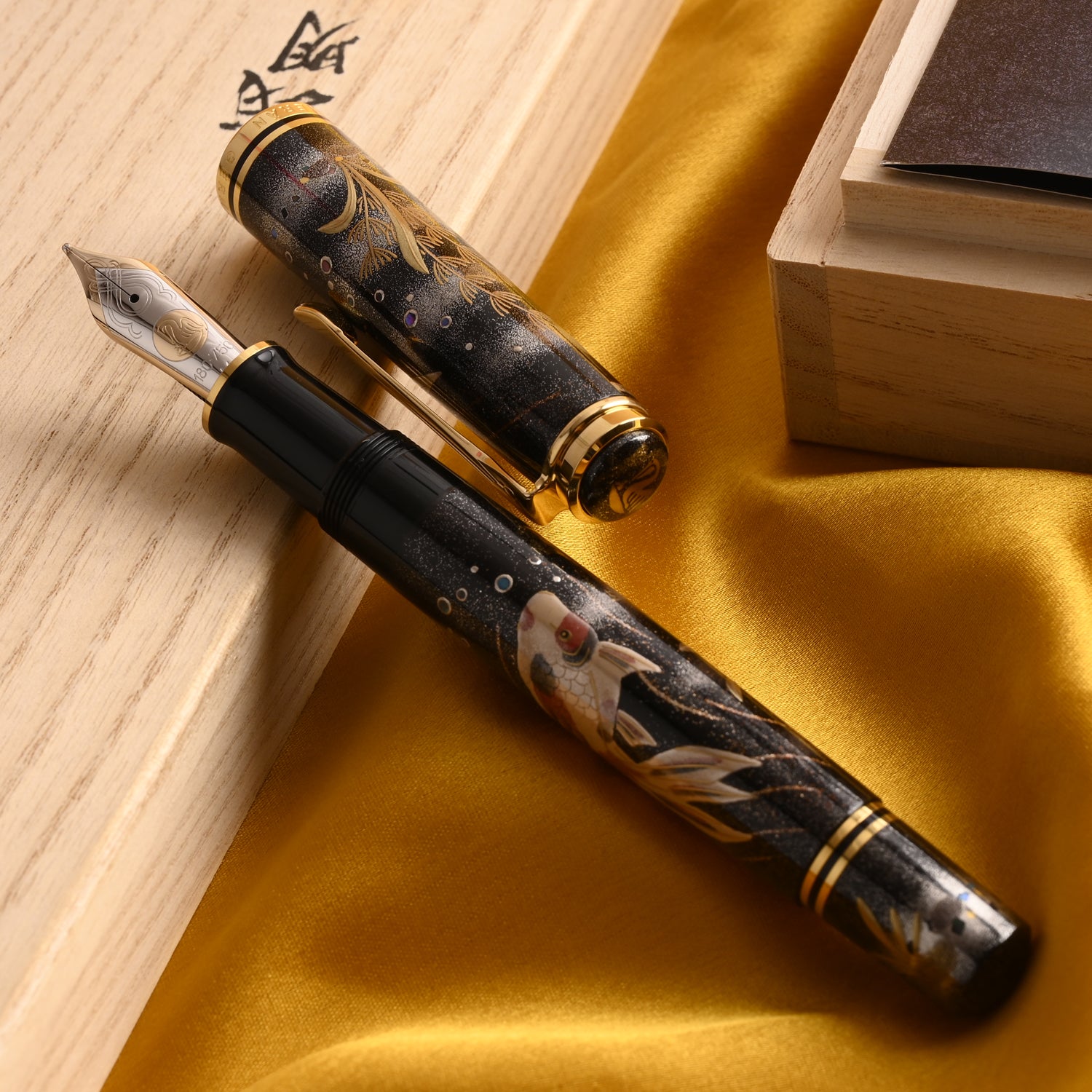
The Goldfish Maki-e is one of Pelikan’s most visually dynamic and recognisable designs.
- Features swimming goldfish rendered in rich gold and red tones
- Symbolises prosperity, abundance, and good fortune
- Strong sense of motion and life across the barrel
- Deep contrast against the black Urushi lacquer
- A celebratory, joyful piece in any collection
This pen is often chosen by collectors who appreciate vibrant symbolism and expressive art.
Pelikan M1000 Maki-e Crane
The Crane motif is deeply rooted in Japanese culture, representing longevity, peace, and wisdom.
- Graceful cranes depicted in elegant compositions
- Fine feather detailing achieved through meticulous Maki-e work
- Balanced layout that complements the M1000’s proportions
- Timeless theme suited for legacy collections
Crane Maki-e pens are frequently purchased to mark significant milestones or achievements.
Pelikan M1000 Maki-e Dragon
Among the boldest Pelikan Maki-e editions, the Dragon is a powerful statement piece.
- Depicts a dragon symbolising strength, protection, and success
- Complex layering of gold powders and lacquer
- Dramatic visual presence with deep contrast
- Extremely limited production and high collector demand
This pen often becomes the centerpiece of a serious Pelikan or Maki-e collection.
Pelikan M1000 Maki-e Phoenix
The Phoenix design represents rebirth, virtue, and imperial grace.
- Elegant flowing lines that emphasise movement
- Rich gold detailing against Urushi lacquer
- Deep cultural symbolism rooted in East Asian mythology
- Rare and highly desirable among long-term collectors
Phoenix Maki-e pens are valued for both their meaning and artistic balance.
Writing Experience of Pelikan Maki-e Pens
Despite their artistic stature, Pelikan Maki-e pens are designed to be used, not just displayed.
Writing characteristics
- Large 18k gold nib with a soft, springy feel
- Naturally wet ink flow, especially in Medium and Broad nibs
- Exceptionally smooth writing experience
- Excellent shading and ink saturation
- Ideal for cursive writing, journaling, and signatures
The tactile writing experience perfectly complements the visual richness of the pen.
Why Pelikan Maki-e Pens Are Highly Collectible
Pelikan Maki-e pens are sought after because:
- Each design is produced in extremely limited numbers
- Many editions are never reissued
- Authentic Japanese craftsmanship is combined with a European icon
- Strong global collector demand
- Excellent long-term value retention
For many collectors, Pelikan Maki-e pens are considered museum-quality writing instruments.
Caring for a Pelikan Maki-e Fountain Pen
To preserve the beauty of Urushi lacquer:
- Avoid prolonged exposure to direct sunlight
- Clean only with a soft, dry cloth
- Never use alcohol, chemicals, or abrasive materials
- Flush the nib and piston periodically with clean water
- Store the pen individually to prevent surface contact
With proper care, the Urushi finish will grow deeper and more beautiful with age.
Why Buy Pelikan Maki-e Pens from Makoba
Makoba is a trusted destination for rare and high-value Pelikan editions.
What Makoba offers
- Guaranteed authenticity and authorised sourcing
- Access to rare Pelikan Maki-e fountain pens
- Expert guidance for collectors and investors
- Secure handling and premium presentation
- Trusted after-sales support
When acquiring a Pelikan Maki-e pen, provenance and expertise matter—and Makoba delivers both.
Platinum Maki-e Pens: Understated Elegance and Technical Excellence
Platinum approaches Maki-e with restraint and technical perfection. Their pens often appeal to collectors who value clean design, longevity, and reliability.
Platinum Maki-e pens are especially respected for:
- Exceptional cap sealing technology
- Long-term ink preservation
- Crisp, controlled nib performance
Five Notable Platinum Maki-e Fountain Pens
- Flagship Platinum pen
- Large Urushi body with refined Maki-e
- Balanced, dignified aesthetic
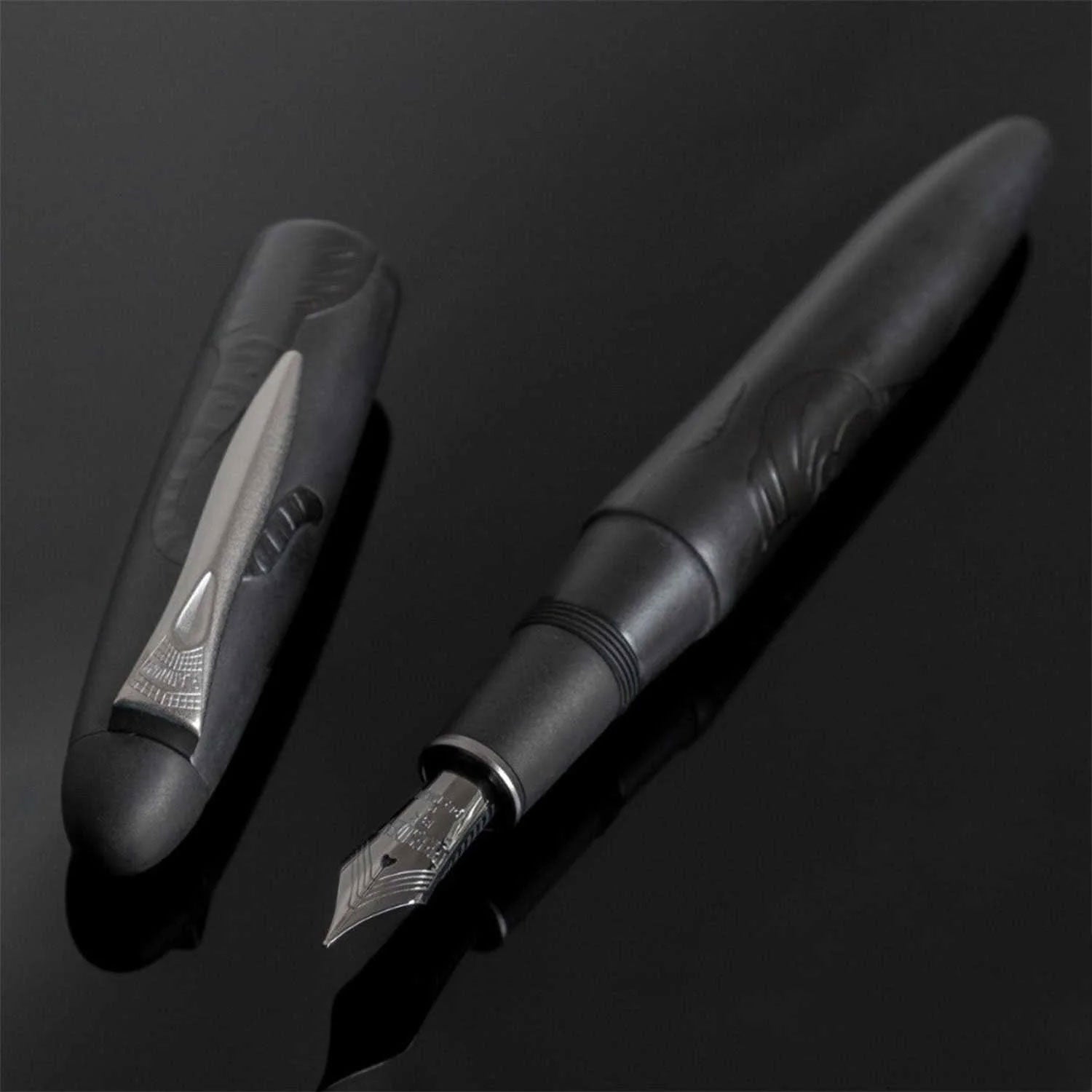
- Combines famous #3776 nib with Maki-e art
- Excellent everyday writing collectible

Platinum Chinkin Maki-e Series
- Deep engraved designs with gold inlay
- Extremely durable artwork
- Uses mother-of-pearl alongside Urushi
- Visually luminous and rare

Platinum Limited Heritage Maki-e
- Small-batch production
- Appeals strongly to long-term collectors
Beyond Japan: Maki-e Influence in Global Luxury Brands
Some premium global brands—especially those curated by Makoba—have embraced Japanese lacquer techniques in limited editions.
- Combines German engineering with Japanese Urushi
- Limited runs with high collector demand
Other Boutique Maki-e Collaborations
- Ultra-limited artisan projects
- Often created in collaboration with Japanese masters
These cross-cultural pens often become instant collectibles.
Why Maki-e Pens Are True Collectibles
They Are Art Objects First
Each pen is individually crafted. No two are identical.
Time Is Embedded in Every Pen
Hundreds of hours go into a single piece.
Most designs are made in extremely small numbers.
Cultural Significance
Each motif—dragons, cranes, koi, Fuji—carries meaning.
Longevity
Urushi lacquer improves with age.
Value Retention
High-end Maki-e pens often appreciate over time.
Writing Experience: Beauty That Writes Beautifully
Despite their artistic nature, Maki-e pens are exceptional writers:
- Gold nibs tuned by master craftsmen
- Smooth, controlled ink flow
- Balanced weight despite decorative bodies
Collectors often rotate them into actual use—not just display.
Caring for a Maki-e Fountain Pen
- Avoid prolonged sunlight exposure
- Clean with soft cloth only
- Do not use alcohol or chemicals
- Store in individual pen sleeves
- Use high-quality inks
With proper care, a Maki-e pen will last generations.
Why Buy Maki-e Fountain Pens from Makoba
Makoba is one of India’s most trusted destinations for authentic Maki-e fountain pens.
Makoba’s Maki-e promise
- 100% genuine, authorised sourcing
- Curated selection of Namiki, Sailor, Platinum, and rare editions
- Expert guidance for collectors
- Secure handling of ultra-luxury pens
- Trusted after-sales support
Makoba understands that buying a Maki-e pen is not a transaction—it’s an investment in art and heritage.
Final Thoughts: Writing with History in Your Hand
Maki-e fountain pens represent the highest expression of what a writing instrument can be. They are:
- Cultural artifacts
- Personal companions
- Investment-grade collectibles
- Living art forms
From the imperial grandeur of Namiki Emperor Maki-e, to the refined discipline of Sailor, to the understated excellence of Platinum, each pen carries the spirit of Japan’s artistic legacy.
Owning a Maki-e pen is not about owning a pen.
It is about inheriting a tradition—and carrying it forward, one written word at a time.
Explore the options with Makoba
Turn the ideas in this guide into a shortlist that suits the way you write. Our pen specialists can help you compare the options and check product details before you choose.
Ask a Makoba pen specialist · Our QC, dispatch photographs and protective packing · Visit our stores in Chennai, Delhi, Ahmedabad, Gurgaon and Bangalore


Leave a comment