 Skip to content




German vs Japanese Fountain Pens – Which Is Better for You?
A Question Every Serious Writer Eventually Asks
At some point in every fountain pen journey, the question appears.
Not about color.
Not about price.
Not about gold trim or resin finish.
But about philosophy.
German or Japanese?
Do you choose the precision engineering and confident boldness of German fountain pens?
Or the refined subtlety and technical brilliance of Japanese fountain pens?
This is not just a comparison of countries. It is a comparison of writing cultures. Of design language. Of how ink meets paper.
If you are searching for:
- Best German fountain pens
- Best Japanese fountain pens
- German vs Japanese nib comparison
- Which fountain pen is smoother?
- Which pen is better for Indian handwriting?
- Montblanc vs Pilot
- Lamy vs Sailor
- Pelikan vs Platinum
This guide will give you a clear, honest, deeply human perspective.
Let’s explore both worlds.
The Philosophy Behind German Fountain Pens
Germany is known for engineering discipline.
Precision. Durability. Authority.
German fountain pens reflect these values. They often feel:
- Solid in the hand
- Balanced and confident
- Slightly bold in line width
- Built to last decades
German pens are often described as dependable. They rarely feel delicate. They feel structured.
When you write with a German fountain pen, it feels like you are signing something important.
Popular German Fountain Pen Brands at Makoba
Let’s explore the major German brands that define this category.
Montblanc – The Global Luxury Icon
Montblanc is perhaps the most recognized luxury fountain pen brand in the world.
What defines Montblanc?
- 14K or 18K gold nibs
- Smooth, slightly wet writing
- Strong presence in hand
- Executive styling
- Signature authority
Montblanc nibs are tuned for smoothness. They glide generously across paper.
Montblanc is ideal for:
- Business leaders
- Signature writing
- Formal documentation
- Luxury gifting
It feels prestigious without apology.

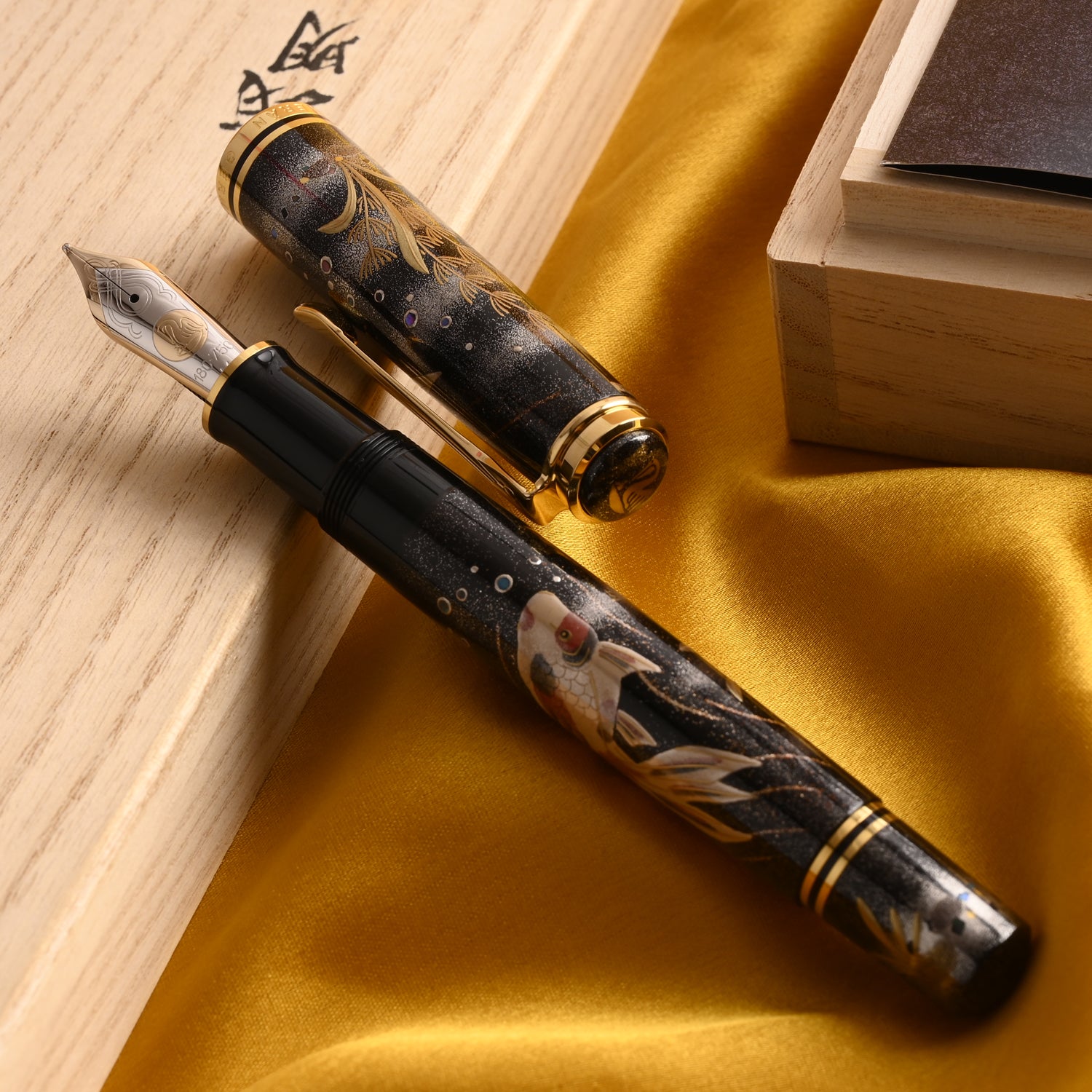
Pelikan is known for its piston-filling excellence and expressive nibs.
Characteristics:
- Generous ink flow
- Wet writing experience
- Smooth glide
- Slightly broader nib sizing
Pelikan nibs are often softer and wetter compared to Japanese nibs.
Ideal for:
- Journal writers
- Ink shading lovers
- Collectors
- Long writing sessions
Pelikan feels expressive. It celebrates ink.
Lamy – Modern German Minimalism
Lamy represents Bauhaus simplicity.
Clean lines. Industrial clarity.
The Lamy 2000 especially is iconic.
Characteristics:
- 14K gold nib
- Smooth but controlled writing
- Interchangeable nib systems (in many models)
- Modern design language
Lamy suits:
- Architects
- Designers
- Professionals
- Everyday writers
It feels contemporary, not ornamental.

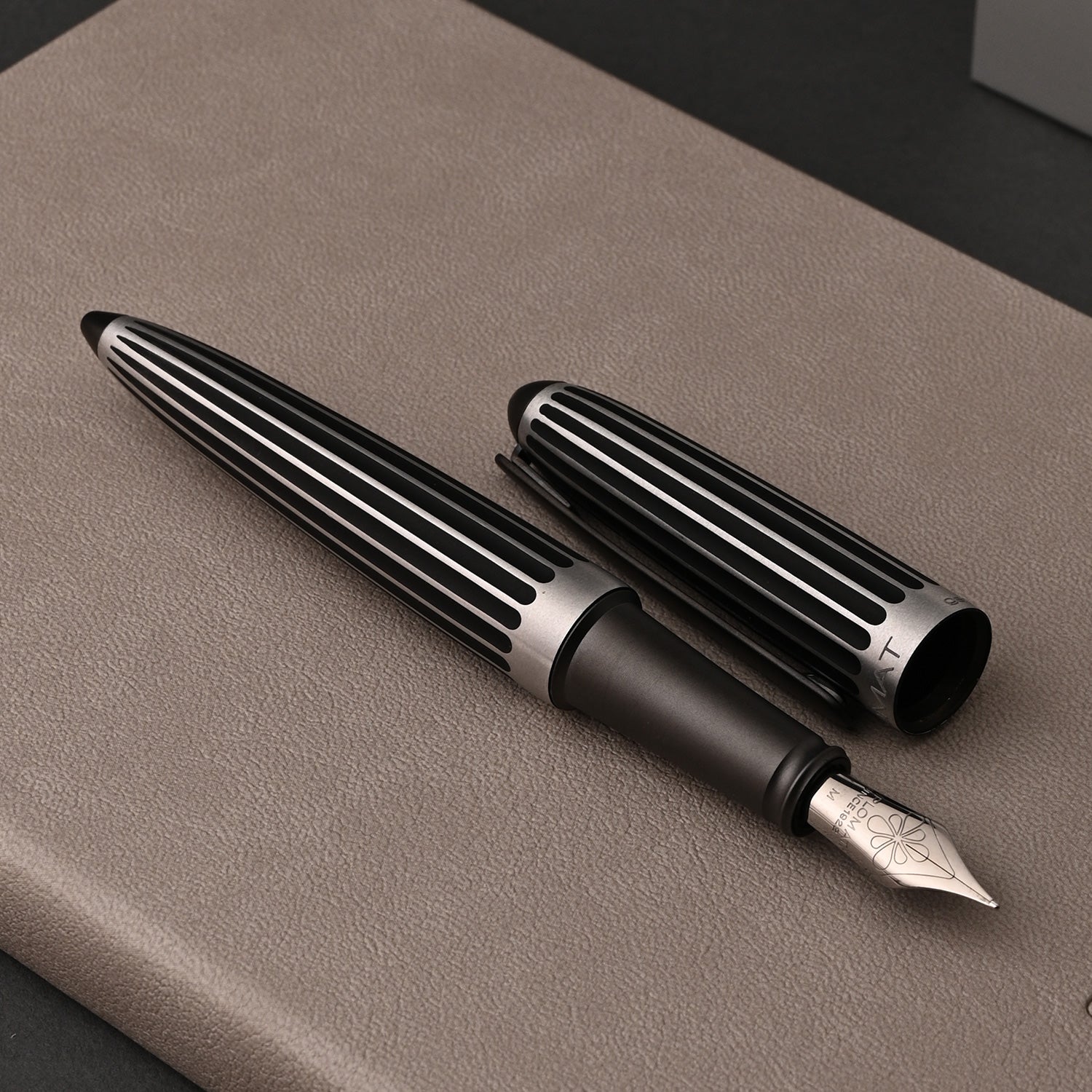
Diplomat – Precision and Consistency
Diplomat is less flashy but highly respected.
Known for:
- Exceptionally smooth steel and gold nibs
- Balanced ink flow
- Elegant German craftsmanship
Diplomat nibs are often praised for out-of-the-box smoothness.
Perfect for:
- Professionals
- Writers upgrading from entry-level pens
- Those who want reliability without hype
Faber-Castell (German Heritage Brand)
Faber-Castell gold nib pens deliver:
- Controlled precision
- Slightly firmer feel
- Elegant aesthetics
They are often underrated but excellent for structured writing.

The Philosophy Behind Japanese Fountain Pens
Japan approaches fountain pens differently.
Japanese writing culture values:
- Precision
- Fine line control
- Subtle feedback
- Engineering refinement
Japanese nibs are typically finer than their German counterparts.
They prioritize:
- Accuracy
- Clean lines
- Controlled ink flow
- Writing efficiency
If German pens feel authoritative, Japanese pens feel disciplined.
Popular Japanese Fountain Pen Brands at Makoba
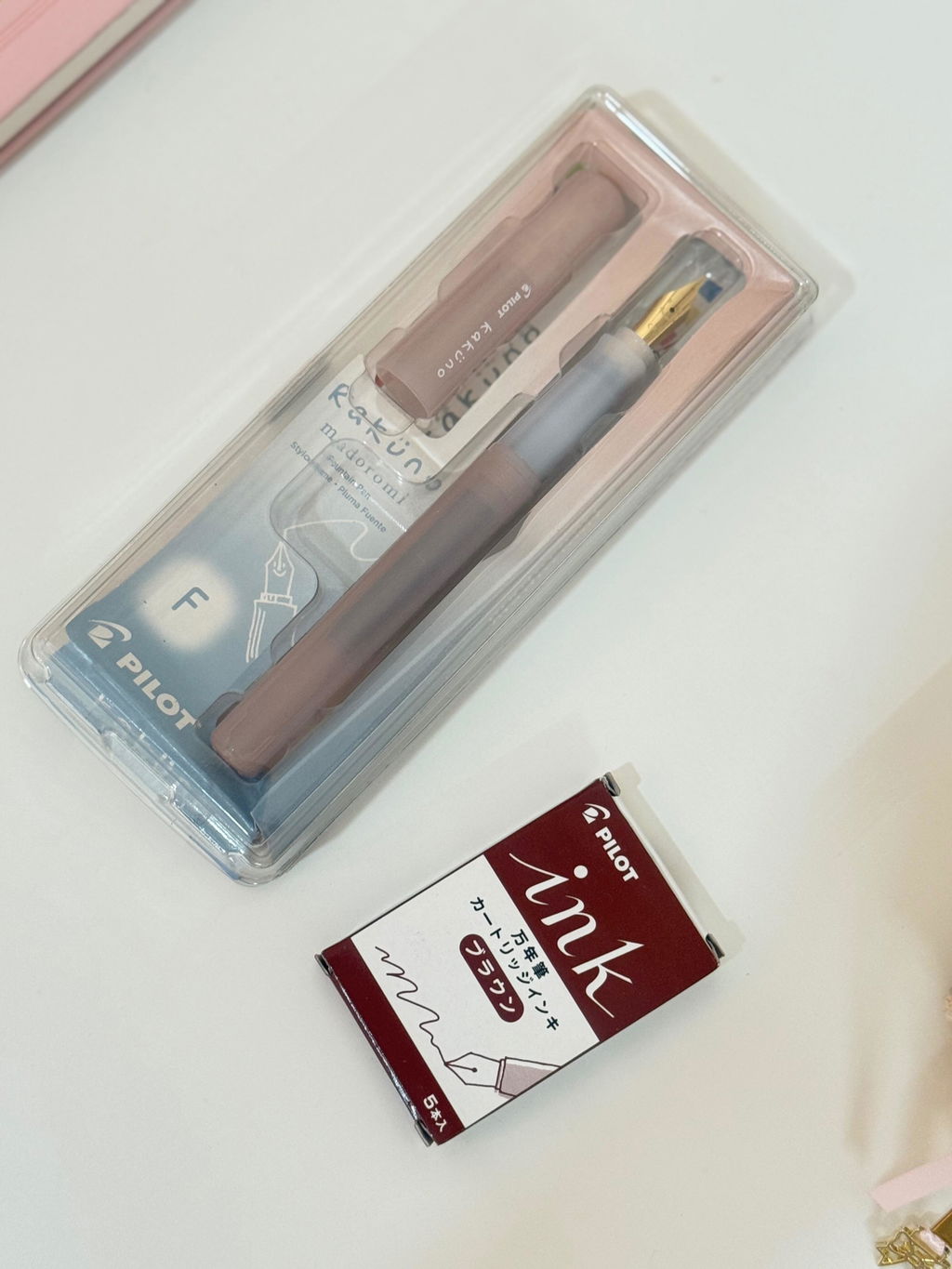
Pilot is perhaps the most balanced Japanese brand.
Famous models include:
Pilot nibs are:
- Extremely consistent
- Smooth but precise
- Available in specialty options
- Finer than German equivalents
Pilot is ideal for:
- Students
- Professionals
- Journal writers
- Indian handwriting styles
If you want reliability without drama, Pilot delivers.

Sailor – Character and Feedback
Sailor is known for 14K and 21K gold nibs.
What makes Sailor unique?
- Distinct tactile feedback
- Ultra-precise nib tipping
- Slight “pencil-like” feel
- Wide nib variety
Sailor nibs are not glassy smooth. They are intentional.
Writers who love control adore Sailor.

Platinum – Technical Innovation
Platinum’s 3776 series is iconic.
Platinum nibs offer:
- Controlled feedback
- Excellent sealing mechanisms
- Fine writing precision
- Reliable ink flow
Platinum is ideal for:
- Small handwriting
- Professional documentation
- Long-term consistency

Namiki – Artistic Japanese Mastery
Namiki represents the luxury side of Japanese pens.
Known for:
- Maki-e artistry
- Handcrafted finishes
- Exceptional nib tuning
Namiki pens combine art and precision.

The Nib Size Difference – The Most Important Factor
This is critical.
Japanese nibs are typically one size finer than German nibs.
Example:
- Japanese Fine ≈ German Extra Fine
- Japanese Medium ≈ German Fine
Why?
Because Japanese writing systems require fine strokes and precision.
For Indian handwriting styles, which often involve smaller letters and closer spacing, Japanese Fine or Extra Fine nibs are often ideal.
German Medium nibs can feel broader and wetter.
Writing Feel – Smooth vs Feedback
German nibs tend to be:
- Smoother
- Wetter
- Slightly softer (in some brands like Pelikan)
Japanese nibs tend to be:
- Controlled
- Slightly tactile
- Precise
- Clean
Neither is better universally. It depends on your preference.
If you want glassy smooth glide → German may win.
If you want sharp precision and controlled lines → Japanese excels.
Build and Design Language
German pens often feature:
- Heavier builds
- Classic cigar shapes
- Conservative aesthetics
- Strong executive presence
Japanese pens often feature:
- Balanced weight
- Minimalist elegance
- Attention to detail
- Subtle refinement
German feels boardroom.
Japanese feels disciplined study desk.
Filling Systems Comparison
German brands like Pelikan specialize in piston fillers.
Japanese brands like Pilot often use:
- Cartridge/converter
- Vacuum filler (Custom 823)
- Piston (Heritage 92)
Both offer excellent reliability.
Durability and Longevity
Both German and Japanese brands produce pens designed to last decades.
German pens may feel slightly more robust and heavier.
Japanese pens often feel lighter but equally well engineered.
Which Is Better for Indian Handwriting?
For small, compact handwriting:
Japanese Fine or Extra Fine nibs are often ideal.
For bold signatures:
German Medium or Broad nibs feel more expressive.
For exam writing or office use:
Japanese 14K Fine nibs are highly practical.
Who Should Choose German Fountain Pens?
Choose German if you:
- Prefer bold ink flow
- Enjoy smoother glide
- Like heavier pens
- Value executive presence
- Want strong brand heritage
Montblanc and Pelikan especially suit leaders and collectors.
Who Should Choose Japanese Fountain Pens?
Choose Japanese if you:
- Write small
- Prefer controlled lines
- Appreciate engineering precision
- Value nib variety
- Write daily for long sessions
Pilot and Sailor are excellent daily companions.
The Emotional Factor
German pens feel like authority.
Japanese pens feel like discipline.
Neither is superior universally.
The best pen is the one that matches your hand and personality.
Price vs Value
Both categories offer options from mid-luxury to high luxury.
Japanese pens often deliver extraordinary nib performance at competitive pricing.
German pens often carry stronger global brand recognition.
Common Buyer Scenarios
“I want the smoothest pen possible.”
→ Try Montblanc or Pelikan.
“I write very small and fast.”
→ Try Pilot or Platinum Fine.
“I want a pen for signing important documents.”
→ Montblanc Medium or Pelikan Broad.
“I journal daily.”
→ Pilot Custom 823 or Pelikan piston fillers.
“I want nib variety.”
→ Sailor or Pilot Custom 912.
Final Verdict – Which Is Better?
Neither.
The better pen is the one that fits your writing style, paper choice, and personality.
German fountain pens deliver authority and smooth confidence.
Japanese fountain pens deliver precision and technical excellence.
Many enthusiasts eventually own both.
Because they serve different moods.
Why Buy German and Japanese Fountain Pens from Makoba
Makoba offers:
- 100% authentic Montblanc, Pelikan, Lamy, Diplomat
- Genuine Pilot, Sailor, Platinum, Namiki
- Wide nib size options
- Expert guidance
- Secure purchase experience
- Luxury packaging
- Personalized consultation
Choosing between German and Japanese is easier when you can compare both from a trusted luxury pen destination.
Conclusion – Two Philosophies, One Passion
German and Japanese fountain pens represent two different interpretations of writing.
One speaks with authority.
One whispers with precision.
Both respect craftsmanship.
Both honor tradition.
Both elevate the act of writing.
The real question is not which country is better.
The real question is — which writing experience feels like you?
Explore both.
Feel the difference.
And discover your perfect match at Makoba.
Explore the options with Makoba
Turn the ideas in this guide into a shortlist that suits the way you write. Our pen specialists can help you compare the options and check product details before you choose.
Ask a Makoba pen specialist · Our QC, dispatch photographs and protective packing · Visit our stores in Chennai, Delhi, Ahmedabad, Gurgaon and Bangalore


Leave a comment