 Skip to content




Why Writing Goals by Hand Increases Success by 42%
There’s a reason some goals stay as ideas, while others quietly become reality.
It isn’t motivation.
It isn’t discipline.
It isn’t talent.
More often than not, it’s how the goal was set in the first place.
Across studies in psychology, neuroscience, and behavioural science, one insight keeps surfacing again and again:
People who write their goals down by hand are significantly more likely to achieve them.
In fact, multiple studies suggest that writing goals by hand can increase the likelihood of success by up to 42% compared to goals that are only thought about, typed, or casually noted.
But why?
What is it about pen, paper, and handwriting that turns intention into action?
Let’s unpack the science, the psychology, and the very human reason behind this powerful habit — and why, in a digital world, writing goals by hand has become more important than ever.
Where Does the “42% More Likely” Come From?
The number isn’t magic. It’s behavioural.
Research in goal-setting theory and cognitive psychology consistently shows that people who physically write down their goals:
- Remember them better
- Take more consistent action
- Feel stronger emotional commitment
- Are less likely to abandon them midway
Writing creates clarity + commitment.
When a goal moves from the mind to paper, it stops being vague. It becomes specific, visible, and harder to ignore.
And handwriting — not typing — amplifies this effect.
Your Brain Treats Handwriting and Typing Very Differently
This is where neuroscience steps in.
When you type:
- Your fingers repeat the same shallow motion
- Your brain operates on autopilot
- Information is processed quickly, but lightly
When you write by hand:
- Multiple brain regions activate at once
- Motor skills, memory, and cognition work together
- You slow down and engage deeply with the content
In simple terms:
Handwriting forces your brain to think.
This deeper engagement creates stronger neural connections — which is why handwritten goals stick longer and feel more real.
Why Writing Goals Feels More “Serious” Than Typing Them
Think about this honestly.
How many notes apps have you abandoned?
How many digital planners sit untouched?
How many goal lists were typed… and forgotten?
Digital goals are easy to create — and just as easy to ignore.
Handwritten goals demand:
- Time
- Space
- Intention
You physically choose to sit down, pick up a pen, and write. That small effort signals seriousness to your brain.
It says:
This matters.
Handwriting Slows You Down — And That’s the Advantage
Success is rarely about speed.
It’s about direction and consistency.
When you write goals by hand, you naturally:
- Pause before choosing words
- Think through what you actually want
- Refine vague ideas into clear intentions
This slowing down is not inefficiency — it’s precision.
Many people don’t fail because they don’t work hard.
They fail because they chase unclear goals.
Handwriting helps eliminate that confusion.
Clarity Is the First Accelerator of Success
A goal like:
“I want to do better this year”
Does almost nothing.
But when written by hand, it often evolves into:
“I want to increase my income by 20% by learning a high-value skill and applying it consistently.”
Why?
Because writing exposes vagueness.
Your brain resists writing unclear thoughts. It naturally seeks structure, timelines, and meaning.
This is why handwritten goals tend to be:
- More specific
- More measurable
- More actionable
And clarity is fuel for execution.
The Emotional Bond You Form With Handwritten Goals
Typing is transactional.
Handwriting is emotional.
When you write goals by hand, especially repeatedly:
- You see your own handwriting
- You recognise your own patterns
- You connect emotionally with the intention
This creates ownership.
The goal no longer feels like an abstract idea — it feels like yours.
And humans are far more likely to protect and pursue what they feel ownership over.
Why Writing Goals Activates Accountability
There’s something subtle but powerful about seeing your goal on paper.
It doesn’t disappear.
It doesn’t close.
It doesn’t scroll away.
It sits there — quietly holding you accountable.
Every time you open your notebook or journal, your goal looks back at you.
Not aggressively.
Not judgmentally.
Just present.
That presence alone changes behaviour.
Handwritten Goals Improve Memory and Recall
Memory plays a huge role in success.
You can’t act on goals you don’t remember.
Studies show that handwritten information is:
- Retained longer
- Recalled more accurately
- Processed more meaningfully
This is because handwriting engages active learning, not passive input.
When goals are written by hand, they are:
- Easier to recall during decision-making
- More likely to influence daily actions
- Less likely to be forgotten under stress
Why Successful People Still Write Things Down
Look closely at high performers — founders, leaders, creatives, athletes.
Despite access to every digital tool imaginable, many still:
Why?
Because when stakes are high, clarity matters.
And nothing creates clarity like handwriting.
Writing slows thinking just enough to sharpen it.
The Ritual Effect: Why the Pen Matters Too
Not all writing experiences are equal.
The pen you use subtly influences:
- How comfortable writing feels
- How long you stay engaged
- Whether writing becomes a habit or a chore
A smooth-writing pen removes friction.
It allows thoughts to flow without interruption.
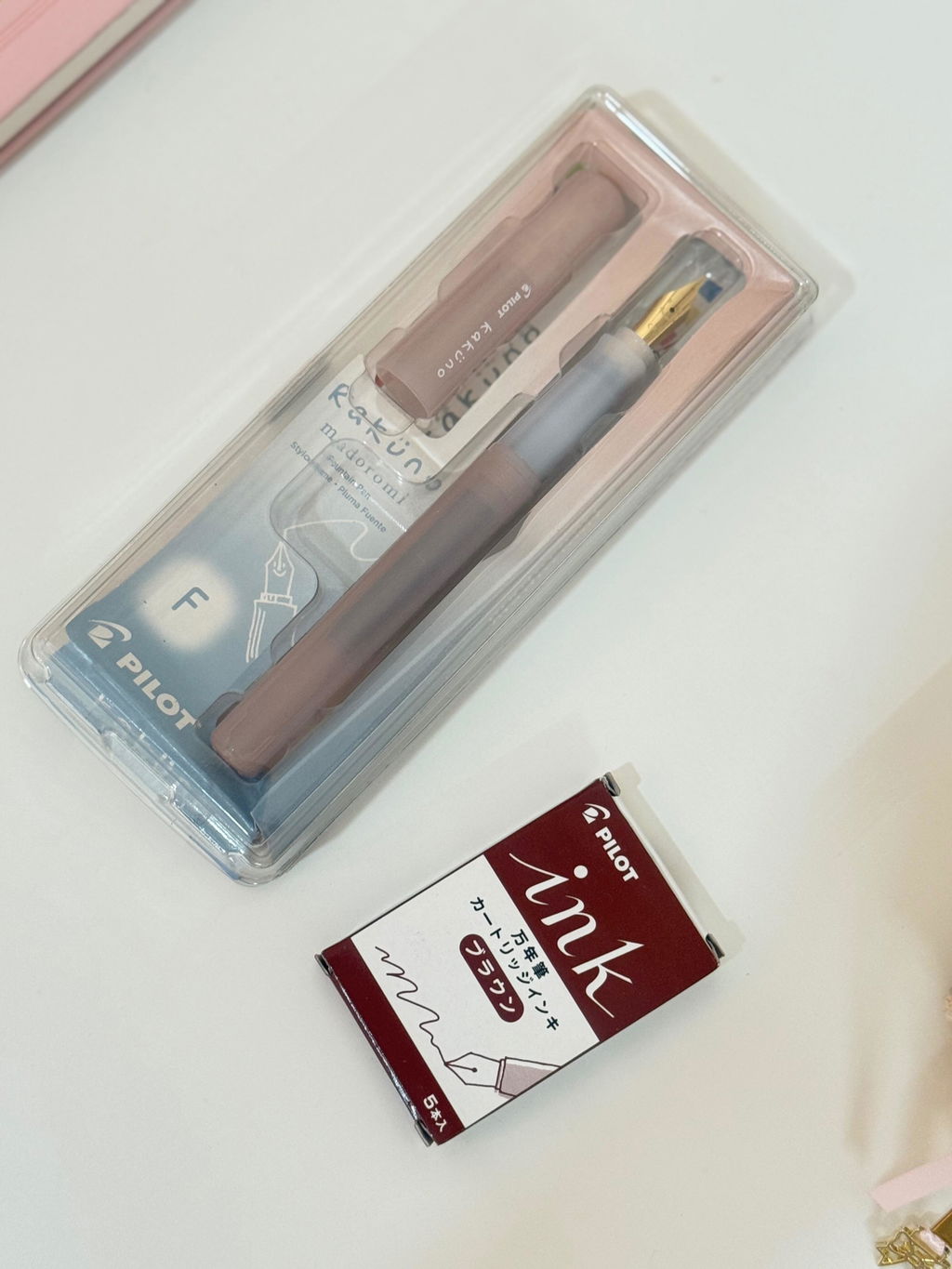
This is why many people naturally gravitate toward:
At Makoba, writing tools are viewed as more than stationery. They are enablers of thought — designed to make writing feel natural, calming, and sustainable over time.
Handwriting Turns Goals Into Daily Behaviour
Goals don’t succeed because they’re written once.
They succeed because they’re revisited.
People who write goals by hand are more likely to:
- Rewrite them
- Reflect on progress
- Adjust timelines
- Stay engaged emotionally
This repetition reinforces commitment.
Each rewrite strengthens the mental association between intention and action.
Why Writing Goals by Hand Works Especially Well Today
In a world full of:
- Notifications
- Distractions
- Endless inputs
- Mental overload
Handwriting becomes a form of mental grounding.
When you write goals by hand:
- You step out of reactive mode
- You create space for intentional thinking
- You reclaim focus
This is why writing goals by hand feels calming — even empowering.
It gives structure to chaos.
How to Write Goals by Hand for Maximum Impact
It’s not just that you write them — it’s how.
Here are a few principles that make handwritten goals more effective:
1. Write Clearly, Not Casually
Avoid scribbles. Treat goals with respect.
2. Use Present or Near-Future Language
“I am working towards…” or “By [date], I will…”
3. Keep Them Visible
A notebook you actually open matters more than a perfect planner.
4. Rewrite Them Regularly
Weekly or monthly rewriting reinforces commitment.
5. Pair Goals With Reflection
Add a line about why the goal matters to you.
Why This Habit Increases Success by 42%
Because writing goals by hand:
- Deepens cognitive processing
- Creates emotional ownership
- Improves memory
- Increases accountability
- Encourages consistent reflection
Together, these factors compound.
Small habits, done consistently, create massive outcomes.
Writing goals by hand is one of those habits.
From Intention to Identity
Over time, handwritten goals stop being just objectives.
They begin shaping identity.
You stop thinking:
“I want to become disciplined.”
And start acting like:
“I am someone who follows through.”
That identity shift is where real success begins.
Why This Is a Habit Worth Keeping for Life
Apps will change.
Tools will evolve.
Trends will pass.
But the human brain hasn’t changed in thousands of years.
It still responds best to:
- Slowness
- Tangibility
- Repetition
- Meaning
Writing goals by hand taps into something ancient — and incredibly effective.
Final Thought
Success doesn’t start with doing more.
It starts with thinking clearly.
And few things clarify thought as powerfully as writing goals by hand.
A pen.
A piece of paper.
A moment of intention.
That’s often all it takes to turn possibility into progress.
Explore More
- Journals & Notebooks for Goal Setting
- Writing Instruments for Everyday Focus
- Fountain Pens for Thoughtful Writing
- The Psychology of Writing & Productivity
Explore the options with Makoba
Turn the ideas in this guide into a shortlist that suits the way you write. Our pen specialists can help you compare the options and check product details before you choose.
Ask a Makoba pen specialist · Our QC, dispatch photographs and protective packing · Visit our stores in Chennai, Delhi, Ahmedabad, Gurgaon and Bangalore


Leave a comment