 Skip to content




Platinum Fountain Pens: The Science Behind Their No-Dry-Out Caps
Platinum fountain pens are famous in the pen world for a very practical — and quietly magical — reason: their caps resist drying out. Writers who return to a Platinum after days or weeks often find the nib ready to write with no skipping, no gummy starts, and no messy re-priming. That “always-ready” feel isn’t superstition. It’s engineering: a combination of materials science, precision tolerances, and clever sealing systems developed and refined by Platinum over decades.
This long-form guide explains the science behind Platinum’s no-dry-out caps, dissects the mechanisms and design choices that make them work, explores key Platinum models that use these technologies, and helps serious buyers — collectors, professionals, and enthusiasts — understand why Makoba stocks and recommends Platinum pens. If you sell or collect pens, or simply want a pen that’s ready whenever you are, this article shows you exactly what to look for.
The problem: Why fountain pens dry out
To understand the solution, we must first be crystal clear about the problem.
A fountain pen dries out because liquid ink evaporates from the nib and feed tip when exposed to air. Evaporation is driven by:
- Air exchange — moving air removes saturated vapor and accelerates drying.
- Surface area — exposed ink on the nib and feed increases evaporation.
- Temperature & humidity — hot, dry conditions speed up evaporation.
- Cap seal performance — poor seals allow air exchange.
When the ink film at the tipping point thins or disappears, the result is a hesitant start, ink starvation, or the need to scribble to coax flow back. For daily writers, this is merely annoying; for professionals or legal signers it's unacceptable.
Platinum’s design philosophy started by treating drying as an engineering challenge — one that could be reduced to measurable variables and then solved.
The science in short: Stop air exchange, maintain humidity, and control fluid dynamics
Platinum’s no-dry-out success rests on three scientific principles:
- Minimize air exchange: Reduce the rate at which fresh, dry air replaces the moist air in the cap-nib interface.
- Maintain a micro-environment of humidity: Keep a small volume of humid, ink-saturated air trapped near the nib so evaporation quickly reaches equilibrium rather than progressing to starvation.
- Control ink transport: Ensure surface tension, feed channel geometry, and capillary action keep ink ready at the tipping point when the pen is un-capped.
Platinum engineers attacked each principle with material science and mechanical design. The result: caps and feeds that keep their nibs hydrated far longer than typical cartridge/converter pens.
The flagship trick: Platinum’s Slip & Seal (or airtight) cap systems
The most famous engineering answer from Platinum is a cap system commonly described by collectors and retailers as a Slip & Seal-like or airtight concept (Platinum’s official naming may vary by model and region). The core idea is straightforward: create an internal cap geometry and sealing interface that minimizes exchange between the ambient air and the small air pocket around the nib.
Key elements of that design include:
- Precision inner cap liners: a secondary ring or liner inside the cap that forms a tighter fit with the nib section than a simple friction seat. This creates a narrow, protected cavity.
- Controlled tolerance fit: the cap is machined to very tight tolerances so that when closed it compresses or seats against specific parts of the section, reducing the gap for air.
- Inner seal materials: soft polymer or elastomer rings (or carefully chosen hard plastics with micro-ridges) that deform slightly to form a close seal without damaging the section finish.
- Vent geometry: small venting orotic designs that avoid direct air channels from cap to nib, so airflow is damped rather than passing straight through.
When done properly, this system slows air turnover and helps preserve local humidity. The pen’s nib and feed stay in a quasi-equilibrium state, meaning when you uncap the pen it writes immediately.
Material choices that matter
Materials are critical in sustaining the micro-environment that prevents drying.
Cap and liner materials
- High-grade resins and acrylics — stable, low-porosity plastics that do not wick or absorb moisture.
- Elastomeric liners — carefully selected rubbers or synthetic compounds that deform under cap closure to create a seal but do not react chemically with ink.
- Metal inner collars — in some models, a thin metal ring provides a stable seating plane for the liner, ensuring consistent compression over thousands of cap cycles.
Platinum’s engineers choose materials that are inert with common fountain pen inks and resistant to long-term compression set (the gradual loss of elasticity in a soft part). The result: a seal that stays effective year after year.
Feed & nib materials
- Ebonite or modern feeds — feeds with stable dimensional tolerances retain proper channel geometry, so the cap’s humid micro-environment interfaces predictably with the ink reservoir.
- Gold and steel nib alloys — the thermal conductivity and surface tension interplay of the nib metal influences how fluids behave at the tipping point. Platinum’s nib geometry complements the feed design to reduce exposed ink film.
Vapor dynamics: the micro-climate inside the cap
Think of the space inside a capped pen as a tiny terrarium. If that terrarium is sealed well, humidity inside rises rapidly to saturation relative to the ambient temperature. Once saturated, evaporation from the tiny ink film on the nib slows dramatically — the humidity gradient that drives evaporation disappears.
Platinum’s caps are effectively small humidifiers: they trap enough vapor and limit fresh air ingress, so the nib surface reaches a stable state. This is why a Platinum pen can sit for days without drying out. The physics are simple vapor-pressure equilibrium, but engineering the geometry to achieve that in a small consumer product is what differentiates thoughtful design from hopeful manufacturing.
Feed geometry and capillary balance: keeping ink at the ready
Even with a well-sealed cap, a pen must manage the transport of ink from reservoir to nib. Platinum optimizes feed geometry (channels, fins, and airways) to stabilize the meniscus at the tipping point. Two important ideas are:
- Capillary pressure balance: the feed geometry must present just enough capillary pull to keep ink at the nib but not so much as to flood it. This balance depends on feed channel width, fin density, and material surface energy.
- Air channeling: when a pen writes, air must replace the departing ink volume in the reservoir. Proper airways prevent vacuum formation that would starve the nib. Platinum balances ink and air pathways so the pen resumes flow instantly after rest.
This precise calibration—between airtight cap microclimate and feed capillarity—lets Platinum pens be ready, reliably.
Which Platinum models use these technologies?
Platinum’s product family ranges from the affordable Preppy to the flagship 3776 Century line and artisanal Izumo models. The no-dry-out behavior is most strongly associated with the 3776 Century family (including Nice, Celluloid, and limited-edition variants) where Platinum applies its highest engineering standards and cap sealing features. But elements of the technology extend across the product range — albeit in different implementations based on price and design.
Key Platinum models to know:
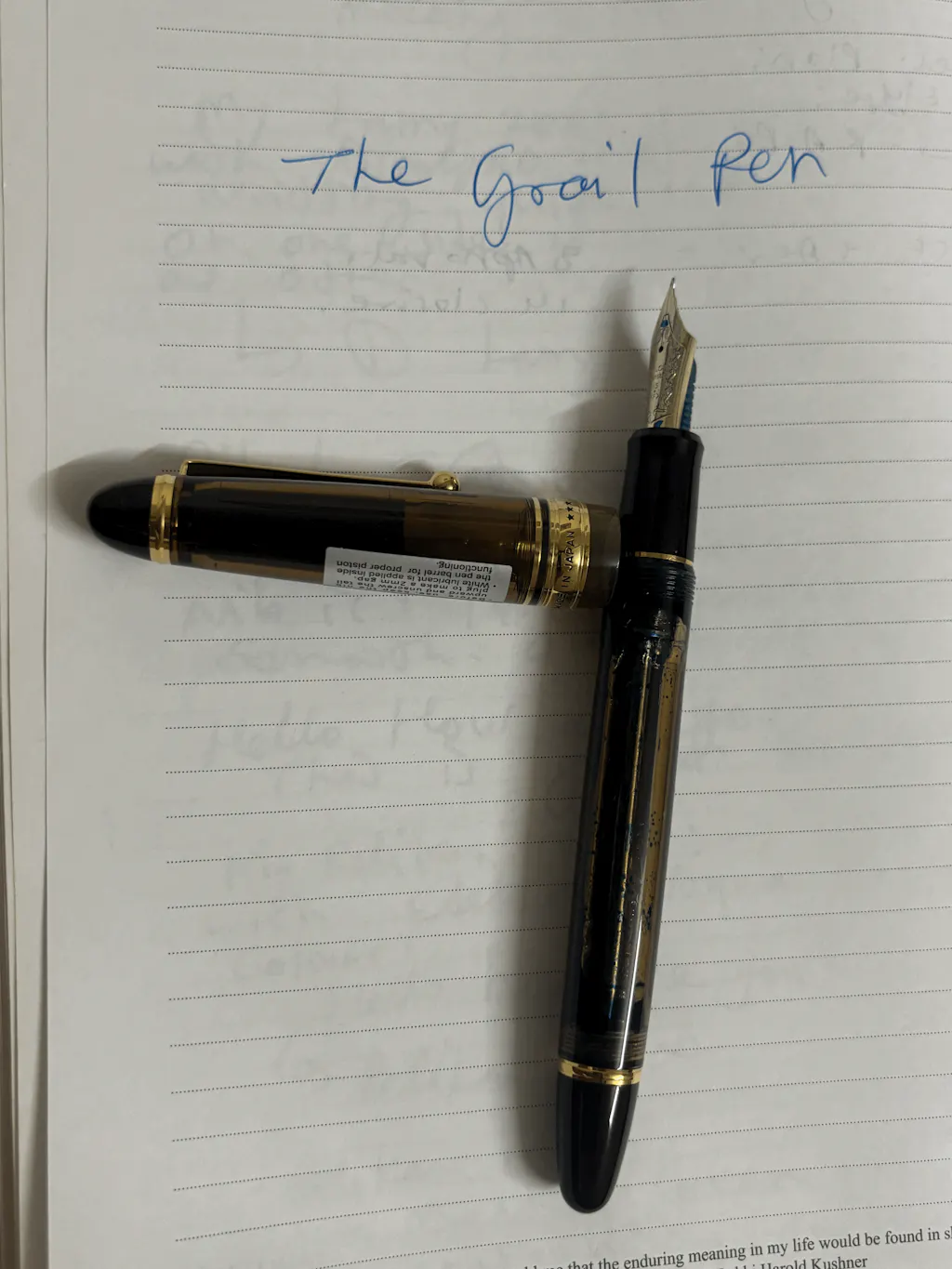
- Platinum #3776 Century — The flagship line. Available in many finishes (Black, Chartres Blue, Bourgogne, celluloid editions, and a rotating slate of limited editions). Most contemporary 3776 models incorporate Platinum’s effective cap sealing systems, often marketed as anti-dry or Slip & Seal style functionality.
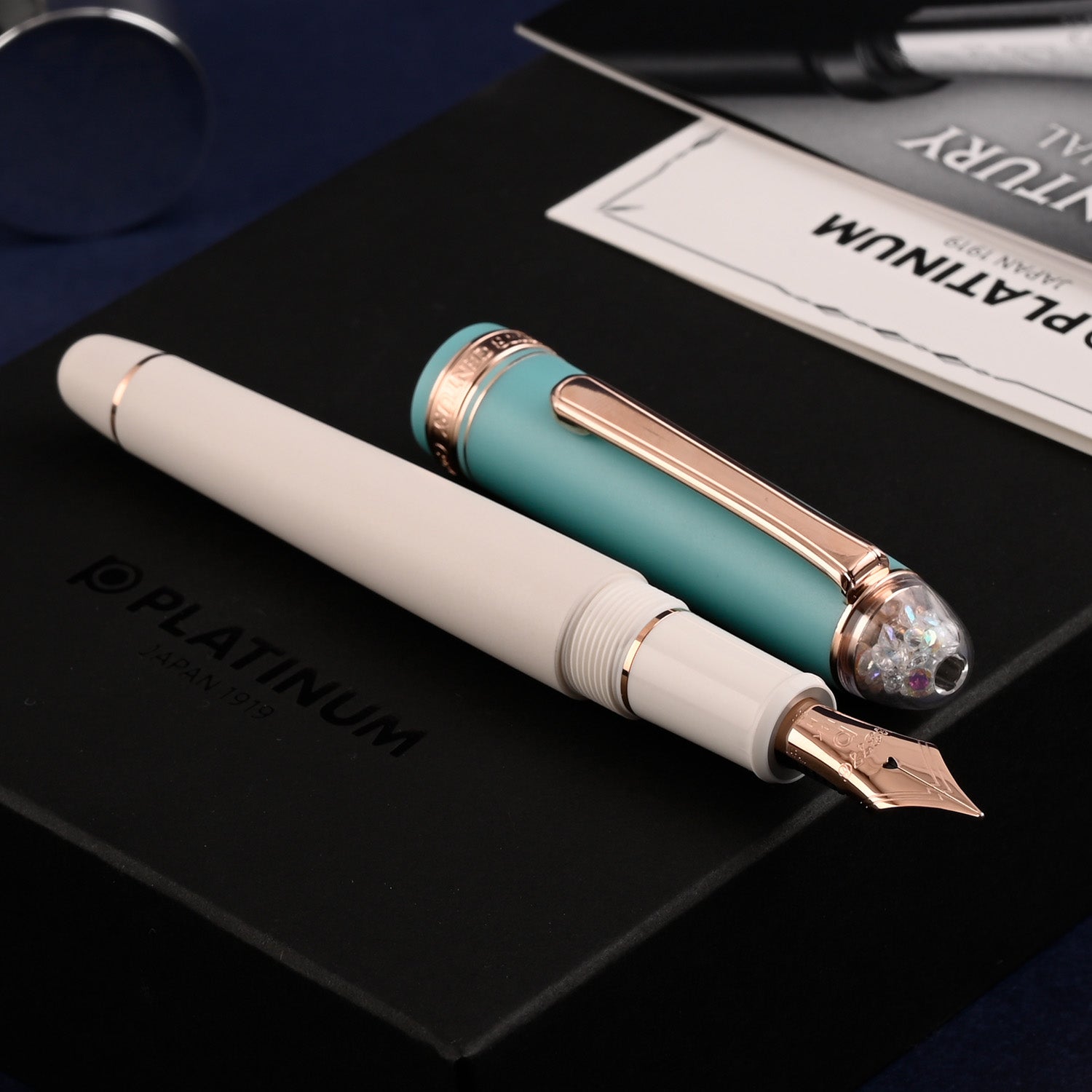
- Platinum 3776 Century Nice — A transparent variant (“Nice”) that demonstrates Platinum’s precision machining in a clear resin body; many users praise its cap performance.
- Platinum 3776 Celluloid and Fuji/Shape of Heart variants — Specialty runs and limited editions often retain full cap sealing performance while adding artisanal materials.


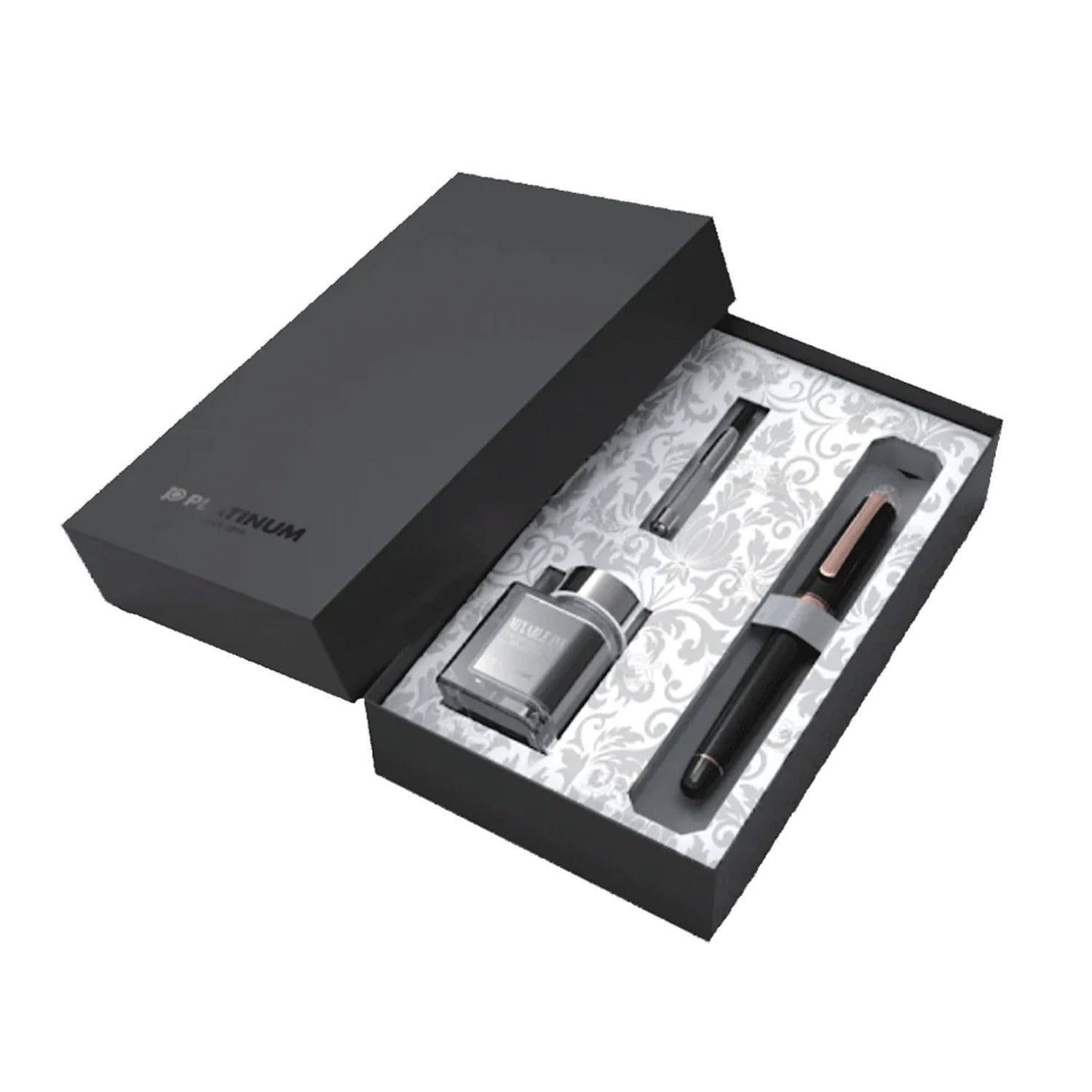
- Platinum Izumo — High-end urushi and maki-e pens where cap performance is tuned to balance delicate lacquer finishes with dryness prevention.
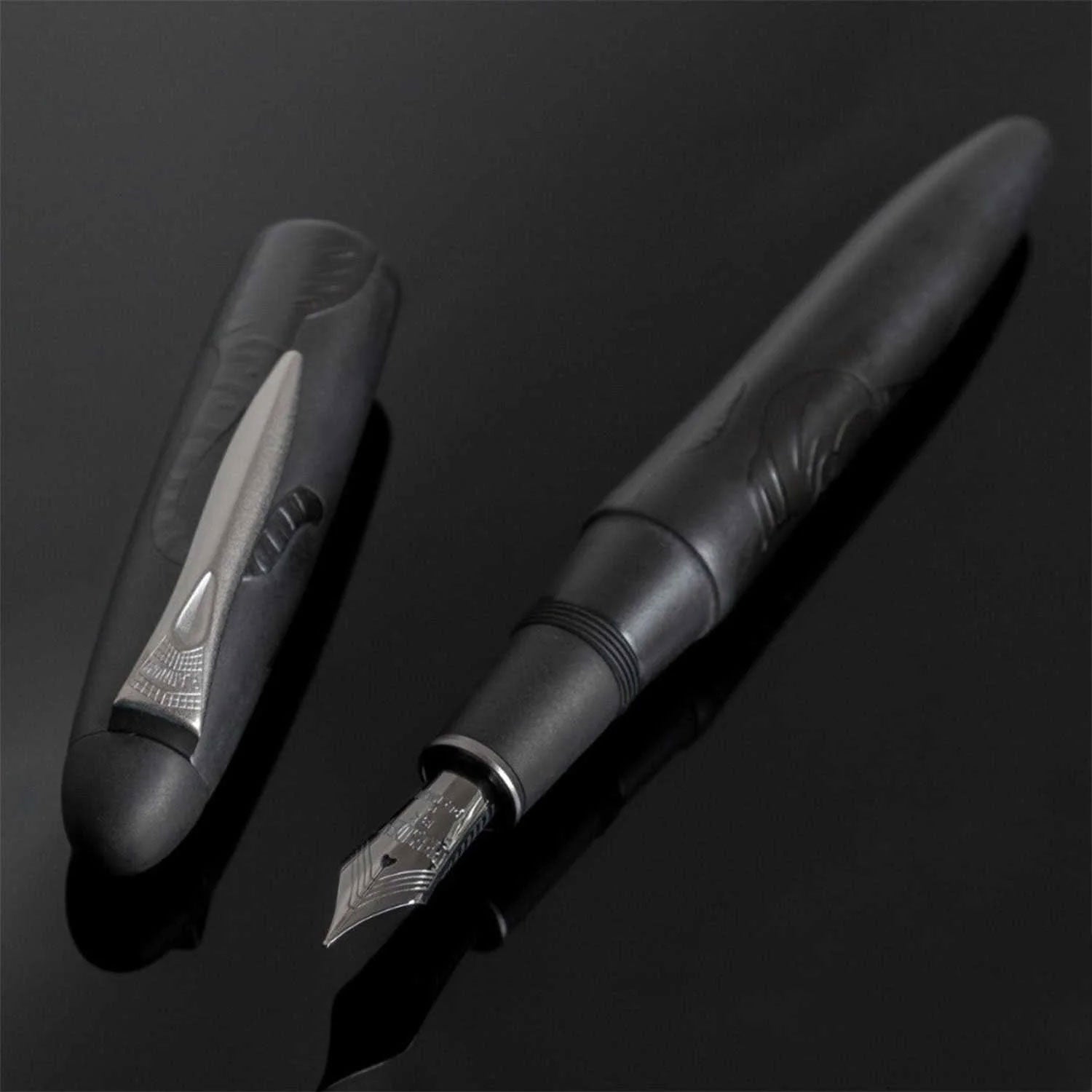
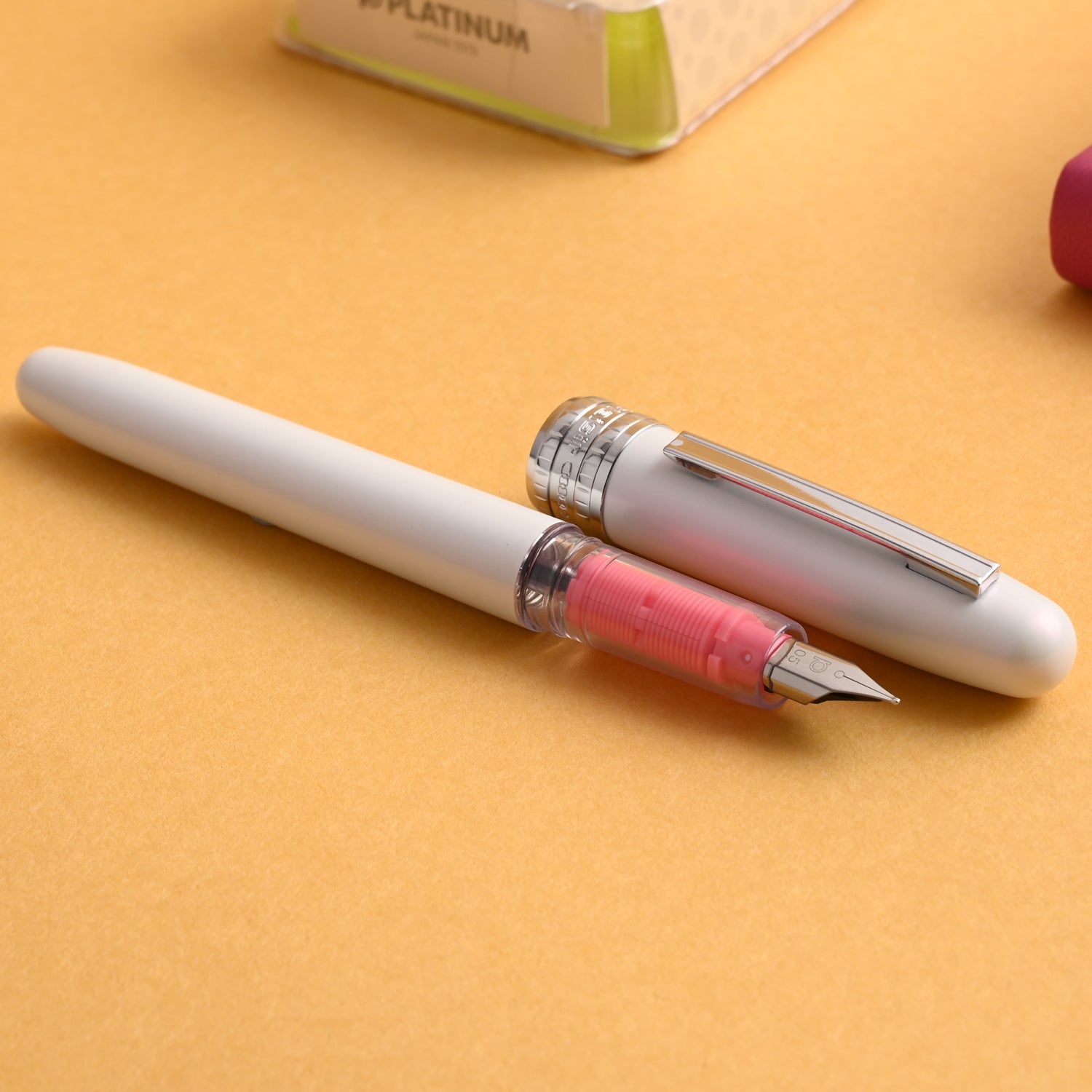
- Platinum Preppy — The entry model; not all Preppy variants will match the 3776’s anti-dry performance, but good Preppy caps and feed design still provide surprising readiness at price points.
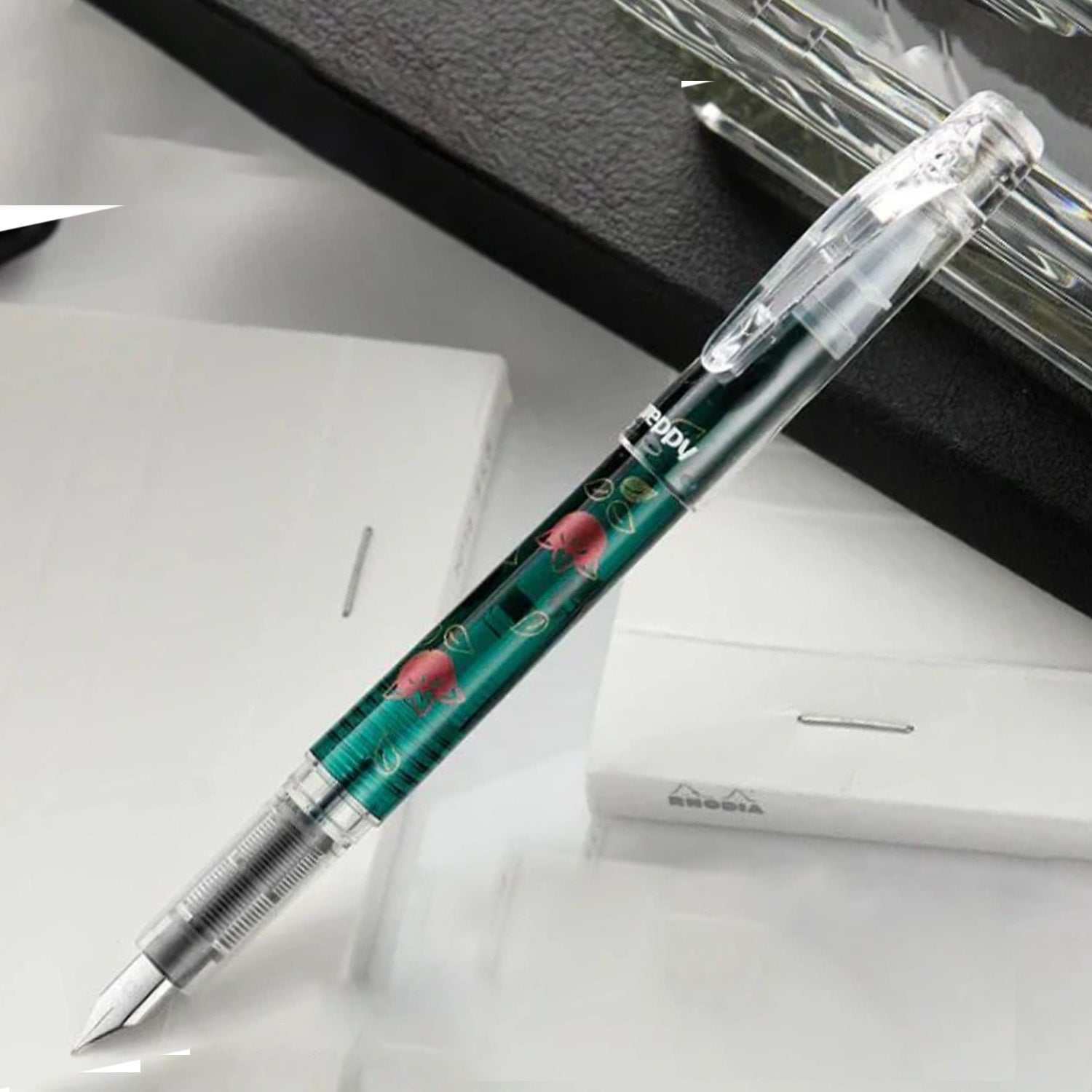
- Platinum Plaisir / Balance / Procyon / Curidas — Mid-range and specialty models. Performance varies by model and generation; some include improved cap liners or stepped cap geometry to help with drying in moderate measure.
At Makoba we focus on stocking the 3776 Century series and higher-tier models because those consistently deliver the best real-world no-dry performance for discerning customers.
Differences in implementation across models
Not all Platinum pens achieve no-dry-out parity, because engineering complexity costs money and design constraints vary.
- Flagship (3776 series): tight tolerances, premium liners, and cap geometries. These models are optimized for minimal air exchange and maximal humidity retention.
- Mid-range models: may use simplified liners or less-complex cap interiors. They still benefit from overall design philosophy but may not match flagship durations.
- Entry models (Preppy): built for value. They can offer good short-term readiness but may not maintain humid microclimates for as long as a 3776.
Makoba’s product specialists test and recommend the right model depending on the buyer’s use pattern — daily desk pen vs. occasional signature instrument.
Real-world tests and what “no-dry-out” really means
Buyers often ask: “How long will a Platinum pen stay ready?” Real-world performance varies by model, ink, and environment, but typical expectations for a well-sealed 3776:
- 24–72 hours: virtually no change; pen writes immediately.
- 3–7 days: most 3776 models still write cleanly with no priming.
- 7–30 days: many users report the 3776 still writes after a week or two with only minor hesitations in some inks.
- 30+ days: performance depends on ink properties and environment; some inks with volatile components may thin out but the sealed cap helps a lot.
Important caveats:
- Ink choice matters: high-volatile or fast-evaporating inks will always be more prone to drying. Pigmented or dye-based inks with higher humectant content hold up better.
- Ambient conditions: hot, dry climates accelerate evaporation. Even the best cap is fighting the room environment.
- User habits: leaving the pen uncapped or snapping the cap underwater can compromise performance.
Makoba’s staff help customers choose inks and hygiene practices that preserve no-dry performance.
Why Platinum’s approach beats gimmicks
Some brands advertise “no-dry” stickers or claim magic. Platinum’s method is engineering-first:
- Measurable: cap seal efficacy can be measured by vapor exchange tests, which Platinum implicitly designs for.
- Repeatable: tight machining tolerances ensure caps work the same across production runs.
- Serviceable: liners and seals can be maintained, so the performance isn’t a one-shot marketing stunt.
This approach is durable: decades from now, a well-maintained 3776 can behave the same way it did when new — which is part of why collectors prize these pens.
How Makoba tests and curates Platinum pens
At Makoba we don’t sell stories — we sell experience. Our quality checks include:
- Cap seating inspection: ensure the cap compresses properly and consistently on the section.
- Feed/nib alignment and ink flow: test with approved inks for immediate starts after multi-day rest.
- Humidity/temperature simulation: where relevant we test pens in dry conditions to replicate challenging climates.
- Customer feedback loop: real-use reports guide what we recommend for Chennai or Delhi climates.
This curation means when Makoba recommends a Platinum 3776 Century for a lawyer, executive, or collector, we’ve already validated the “ready-to-write” behavior in settings similar to the buyer’s use case.
Practical tips for maximizing no-dry performance
Owners can help the pen do its job. Follow these practical steps:
- Use compatible inks: choose inks known for stability (many iron-gall alternatives and modern dye inks have humectants). Ask Makoba’s experts for ideal pairings.
- Cap properly: always close the cap until you feel it seat. Do not force; ensure it’s fully engaged.
- Store horizontally when possible: this maintains feed saturation for long downtime.
- Avoid prolonged uncapped exposure: even the best designs cannot protect an open nib indefinitely.
- Periodic cleaning: flush every few months if left unused to prevent crusting or clogging.
- Service seals: over many years, soft liners may age — Makoba offers service guidance and can source parts or advise maintenance.
These simple habits extend the periods a Platinum pen remains ready and reduce the need for frequent priming scribbles.
The role of ink chemistry — you can’t beat physics
Some inks are more volatile than others. Key ink properties affecting drying:
- Volatility / solvent composition: inks with fast-evaporating carriers dry faster.
- Humectants: glycerin or glycol derivatives slow evaporation and help nibs stay wet.
- Surface tension and wetting: inks that wet feeds and nibs efficiently resume flow faster after rest.
Platinum’s cap designs mitigate evaporation but do not change the chemistry — so pairing the right ink with a 3776 elevates the no-dry experience.
At Makoba we recommend fountain-pen-friendly inks with stabilizers for customers who routinely leave pens idle for days.
Choosing the right Platinum model at Makoba
If you need a pen that’s reliably ready same-day after weeks on the shelf, consider these Makoba recommendations:
- Daily executive & signature pen: Platinum 3776 Century (standard finishes). Great balance of cap performance and nib options.
- Collector & occasional user: 3776 limited editions and celluloid runs. Beautiful finishes, strong caps, and collectible value.
- Budget-aware “always ready”: test a higher-quality Plaisir or Procyon with improved cap seating — they may surprise you.
Makoba’s product pages and in-store team will match model, nib size, and ink for your needs.
Common myths and real answers
Myth: “Only vintage ebonite feeds prevent drying.”
Reality: Modern feed materials with designed channel geometries often match or outclass vintage feeds when combined with airtight cap designs.
Myth: “No-dry caps are purely marketing.”
Reality: Performance is demonstrable — vapor equilibrium and capillary balance are physics, not slogans.
Myth: “All Platinum pens will never dry.”
Reality: Performance varies by model, ink, and environment. The 3776 family is the most consistent.
Why Makoba trusts and sells Platinum
Makoba curates pens that deliver experience. We stock Platinum because:
- Proven performance: our tests in Indian climates show Platinum 3776 models keep nibs ready longer than many competitors in the same segment.
- Service & support: Platinum’s feed/nib interchangeability and regional support pathways mean long-term ownership is realistic.
- Customer satisfaction: professionals who sign documents and writers who journal value immediate starts — a repeat purchase metric Makoba tracks.
- Education-first sales: Makoba trains customers on ink choice and storage to maximize the product’s design benefits.
We don’t push brand names; we recommend solutions. Platinum often wins when the problem is “I don’t want to prime my pen every time.”
Troubleshooting: When a Platinum pen does dry
If a Platinum pen behaves poorly, follow this checklist before assuming a defect:
- Is the cap fully seated? Partial seating breaks the micro-climate.
- Which ink? Try a known stable ink; if flow improves, ink choice was the cause.
- Is the section clean? Old deposits can interrupt microfluidic balance.
- Has the pen been serviced? Overly loose or over-tight liners change seal behaviour.
- Environment: extremely arid deserts will challenge any cap.
If issues persist, Makoba offers diagnostics and can coordinate with Platinum service channels.
Final words: Engineering meets everyday life
Platinum’s no-dry-out performance is an elegant example of industrial design solving a human problem. By understanding vapor dynamics, material science, and capillary behavior, Platinum builds pens that are not just beautiful, but reliably ready. For professionals, collectors, and anyone who values a pen that writes whenever inspiration strikes, this isn’t a nicety — it’s essential.
At Makoba we test, curate, and support Platinum pens so buyers receive the experience the brand promises. If you want a pen that feels “always on,” start with the 3776 family and choose an ink with some humectant content. Maintain basic hygiene, cap carefully, and the pen will reward you for years.
If you’d like, Makoba can prepare a hands-on comparison (3776 variants vs other brands) or recommend the exact Platinum model and ink pairing for your climate and writing habit.


Leave a comment