 Skip to content




Fountain Pen Nib Sizes Explained – Which Nib Is Best for Indian Handwriting?
Introduction – Why Fountain Pen Nib Size Matters More Than You Think
When buying a fountain pen, most people focus on the brand, design, and price. But the most important factor that determines your writing experience is the nib size. The nib controls line width, ink flow, smoothness, feedback, and overall writing comfort.
Choosing the right fountain pen nib size is especially important for Indian handwriting styles. Indian writing patterns often include smaller letter formations, tight spacing, fast note-taking, and mixed English-regional script usage. The wrong nib size can lead to ink bleeding, feathering, smudging, or an uncomfortable writing experience.
This comprehensive guide explains:
- What fountain pen nib sizes mean
- Difference between EEF, UEF, EF, F, FM, M, B, BB, Coarse, Music, Zoom nibs
- How Japanese nibs differ from German nibs
- Which nib size is best for Indian handwriting
- How brands like Lamy, Pilot, Namiki, Pelikan, Aurora, Diplomat, Waterman and others approach nib sizing
- How to choose the right nib based on your writing style
If you want to buy the best fountain pen nib for Indian writing, this guide will help you make an informed decision.
Understanding Fountain Pen Nib Sizes – The Basics
Fountain pen nib sizes refer to the width of the line the pen produces on paper. The width depends on:
- The tipping material size
- Ink flow characteristics
- Feed system
- Writing pressure
- Paper quality
- Brand-specific standards
Nib sizes are usually marked as:
EEF / UEF / EF / F / FM / M / B / BB / Coarse / Music / Zoom
However, these sizes are not universal. A Fine nib in a Japanese pen writes finer than a Fine nib in a German pen.
Understanding this difference is critical for Indian buyers.
Extra Extra Fine (EEF) and Ultra Extra Fine (UEF) Nibs
What Is UEF and EEF?
UEF (Ultra Extra Fine) and EEF (Extra Extra Fine) nibs produce extremely thin lines. These are among the finest nibs available in the fountain pen world.
Line Width Characteristics
- Very thin line output
- Precise and controlled
- Minimal ink flow
- Requires smooth paper
Which Brands Offer UEF and EEF?
Japanese brands are leaders in ultra-fine nibs:
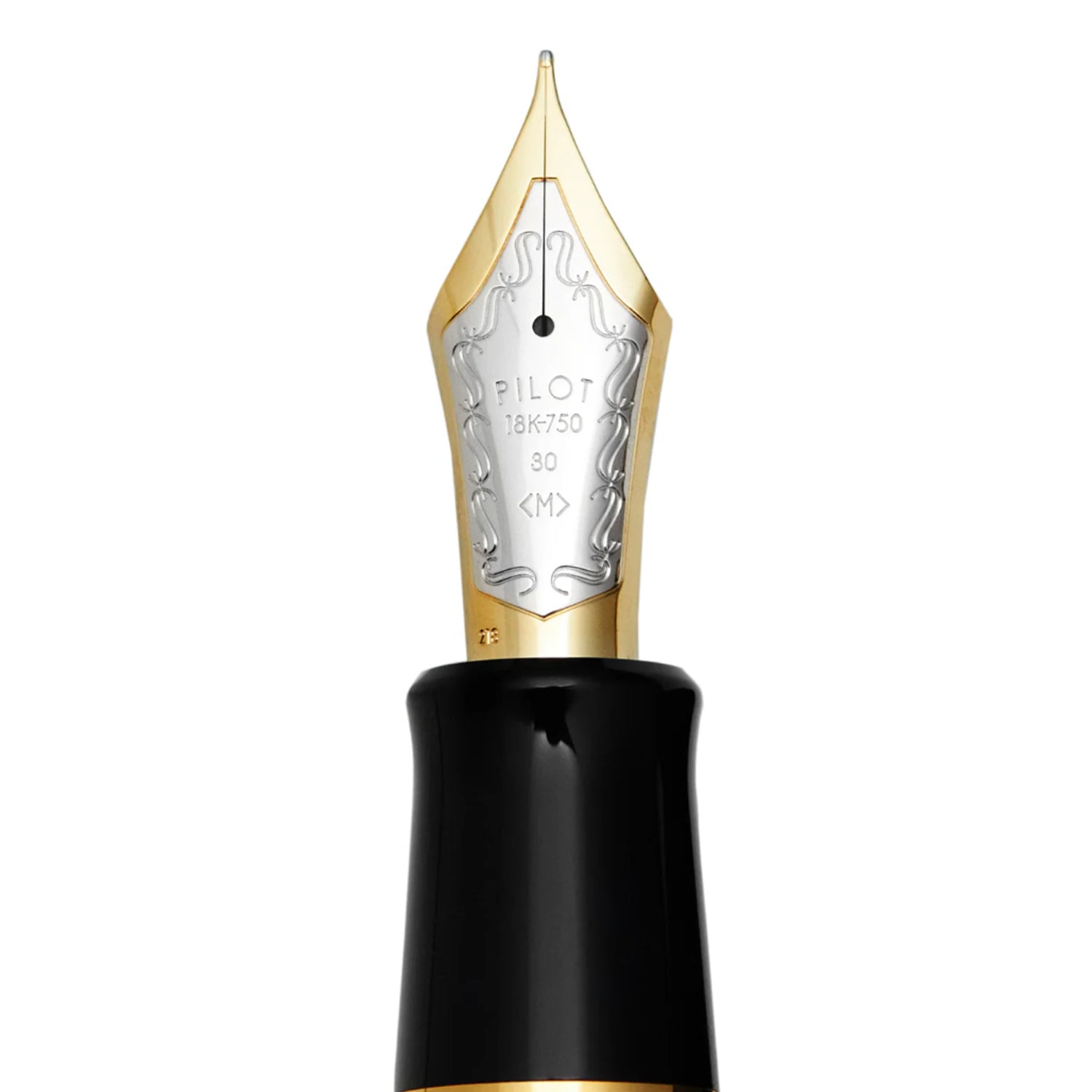

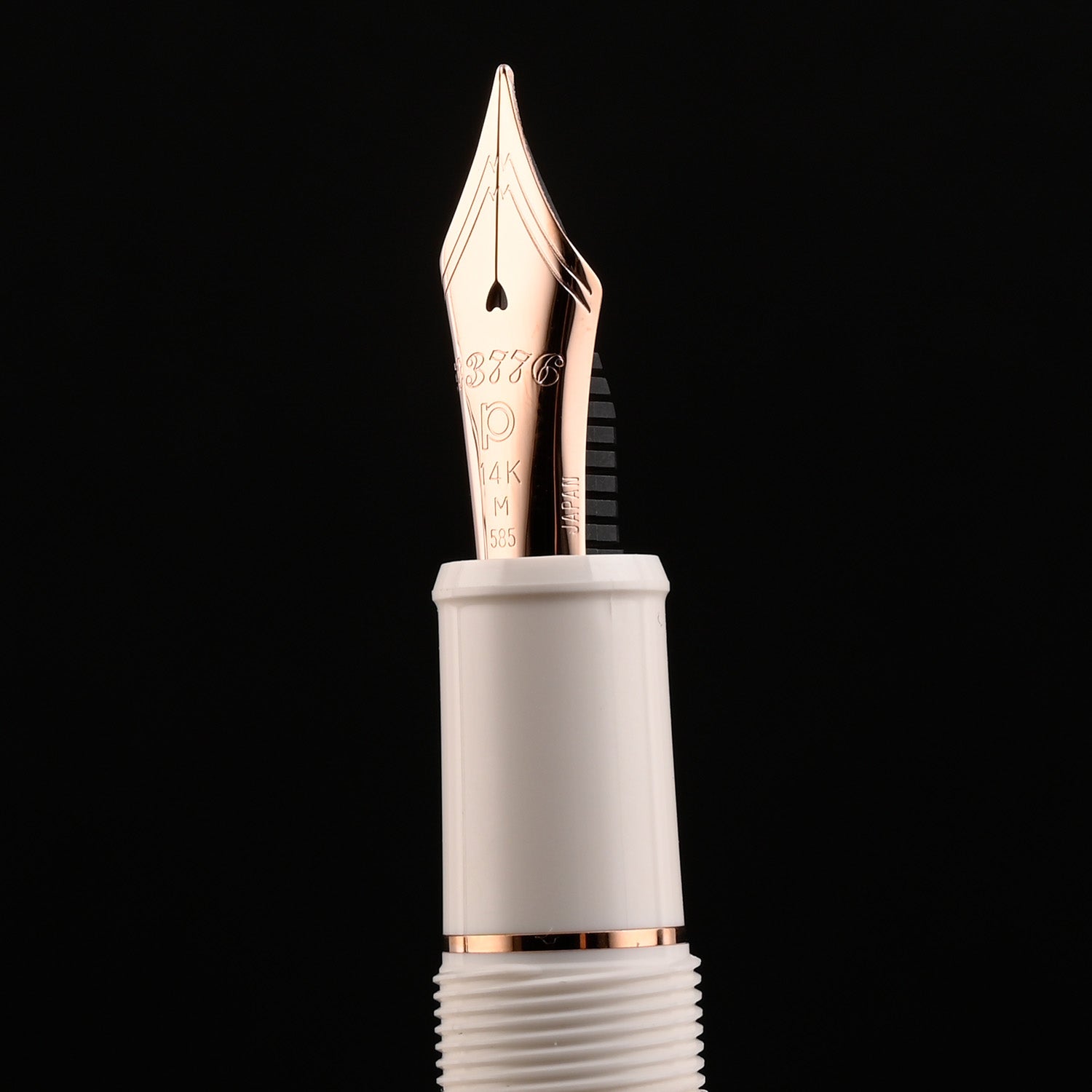
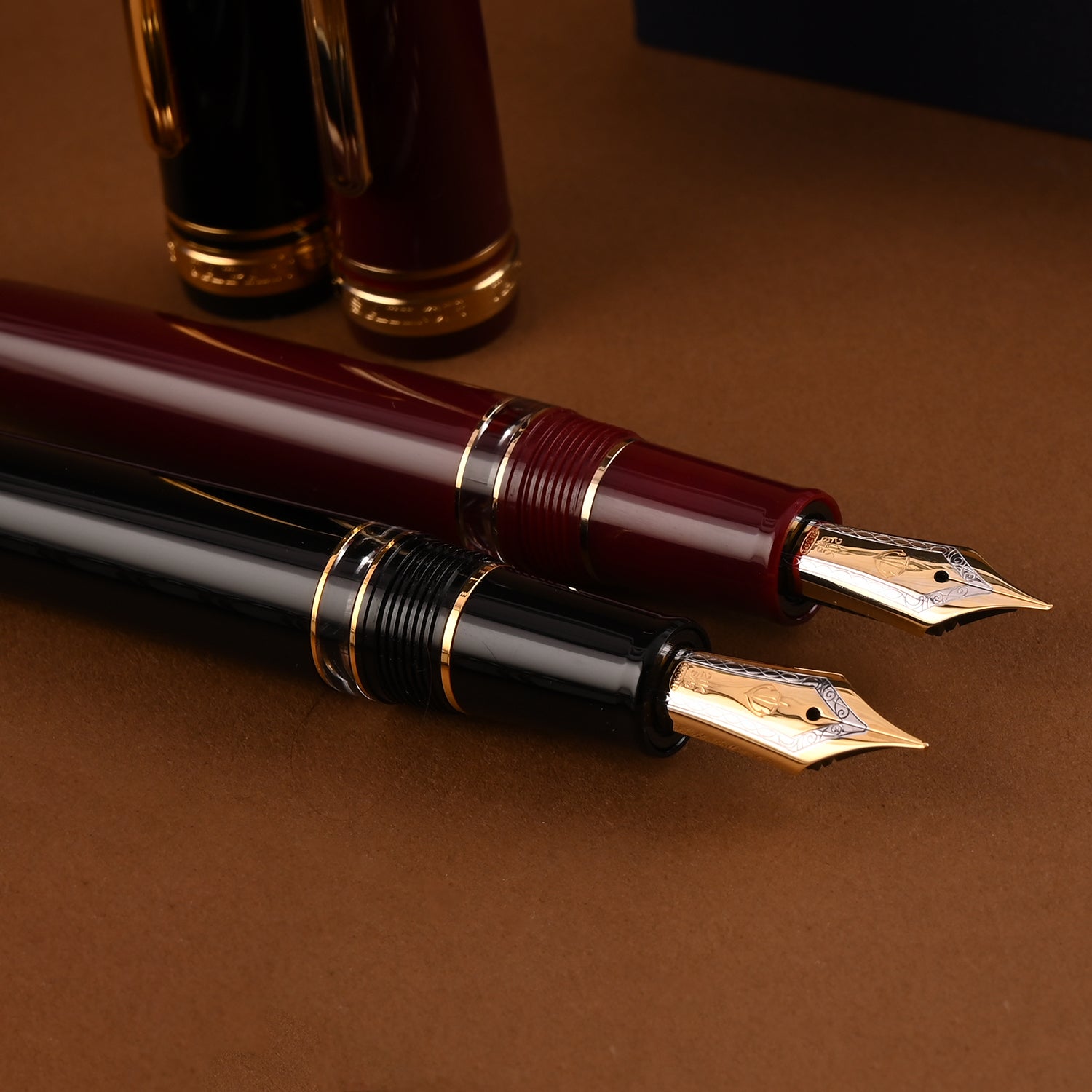
Some limited models from other brands may offer EEF, but Japanese manufacturers are known for precision micro-nibs.
Is UEF Good for Indian Handwriting?
Yes, for specific use cases.
UEF and EEF are excellent for:
- Very small handwriting
- Writing in tight notebooks
- Writing on thin paper
- Writing in planners
- Writing in margins
However, they may feel slightly scratchy due to smaller tipping material and require smooth, high-quality paper.
For students and professionals writing small, compact English script, UEF or EEF can be ideal.
What Is an EF Nib?
Extra Fine nib produces a thin line, slightly thicker than UEF or EEF.
Writing Characteristics
- Crisp lines
- Controlled ink flow
- Minimal feathering
- Fast-drying ink
Japanese EF vs German EF
Japanese EF nibs are significantly finer than German EF nibs.
For example:
- Pilot EF writes like a true micro-fine nib
- Lamy EF writes closer to Japanese Fine
- Pelikan EF writes slightly broader than Japanese EF
This difference is crucial for Indian buyers.
Is EF the Best Nib for Indian Handwriting?
For many Indian writers, EF is one of the safest and most versatile options because:
- Indian handwriting often has smaller letterforms
- Notebook paper quality varies
- Fast writing speed requires controlled ink flow
EF is ideal for:
- Office documentation
- Exams
- Students
- Daily journaling
- Signing small documents
If unsure, EF is often a safe starting point.
What Is a Fine Nib?
Fine nib produces a moderately thin line, thicker than EF but still controlled.
Writing Characteristics
- Smooth glide
- Balanced ink flow
- Suitable for everyday use
- Works on most paper types
Brand Differences in Fine Nibs
Japanese Fine = European Extra Fine
European Fine = Slightly broader and wetter
For example:
- Pilot Fine = Excellent for small handwriting
- Lamy Fine = Slightly broader but controlled
- Waterman Fine = Smooth and balanced
- Pelikan Fine = Slightly wet and expressive
Is Fine Good for Indian Writing?
Yes, especially if:
- Your handwriting is medium-sized
- You prefer smoothness over ultra-thin precision
- You write longer sessions
- You sign frequently
Fine nib offers a good balance between clarity and smoothness.
What Is FM?
FM (Fine Medium) is primarily found in Japanese brands like Pilot.
It sits between Fine and Medium.
Writing Characteristics
- Slightly broader than Fine
- Smoother feel
- Better ink shading
- Balanced line variation
FM nib is excellent for those who find Fine too thin and Medium too broad.
Is FM Good for Indian Writers?
Yes, particularly for:
- Business professionals
- Signature writing
- Smooth note-taking
- Journaling
FM is underrated but highly practical.
What Is a Medium Nib?
Medium nib produces a moderate line width and is one of the most popular nib sizes worldwide.
Writing Characteristics
- Smoothest standard nib
- More ink flow
- Better shading
- Expressive handwriting
Japanese M vs German M
Japanese Medium ≈ European Fine to Medium
European Medium = Quite broad
For example:
- Pilot Medium = Controlled and smooth
- Pelikan Medium = Wet and expressive
- Aurora Medium = Precise and smooth
- Diplomat Medium = Balanced and consistent
Is Medium Suitable for Indian Handwriting?
Depends on your style.
Medium works well if:
- You have large handwriting
- You write on premium paper
- You want expressive ink shading
- You prefer bold signatures
However, on thin Indian office paper, Medium may cause feathering.
What Is a Broad Nib?
Broad nib produces thick, bold lines with heavy ink flow.
Writing Characteristics
- Very smooth
- High ink flow
- Excellent shading
- Bold signatures
Ideal For
- Large handwriting
- Signature pens
- Journaling
- Premium paper use
Is Broad Good for Indian Writing?
Usually not for everyday office writing due to:
- Paper feathering
- Slower drying
- Heavy ink usage
But excellent for statement signatures and collectors.
What Is BB?
BB nib produces very thick lines and is primarily used for expressive writing.
Writing Characteristics
- Very bold
- Extremely smooth
- High ink consumption
- Dramatic ink shading
Ideal For
- Calligraphy
- Large journals
- Display writing
- Collectors
BB is not suitable for small Indian handwriting but excellent for artistic use.
Coarse nib is another term used by some brands for very broad nibs.
It produces thick, wet lines and is primarily used for expressive writing and artistic work.
Not ideal for everyday Indian documentation writing.
What Is a Music Nib?
Music nib has two or three tines and is designed to produce thick downstrokes and thinner cross strokes.
Writing Characteristics
- High ink flow
- Natural line variation
- Ideal for calligraphy
Best For
- Artistic writing
- Creative journaling
- Music notation
Not recommended for everyday Indian handwriting but excellent for collectors and calligraphy enthusiasts.
What Is a Zoom Nib?
Zoom nib changes line width based on writing angle.
- Upright position → Fine
- Normal angle → Medium
- Low angle → Broad
Zoom nib is found mainly in Japanese brands like Sailor.
Ideal For
- Creative writers
- Enthusiasts
- Line variation lovers
Not practical for office writing but highly innovative.
How Different Brands Approach Nib Sizes
- Interchangeable steel nibs
- EF to B available
- European sizing
- Slight variation between nibs
Lamy EF writes broader than Japanese EF.
Pilot and Namiki Nibs
- Extremely precise
- Japanese sizing (finer)
- UEF to Broad available
- Smooth and consistent
Excellent for Indian handwriting.
- Wet writers
- European sizing
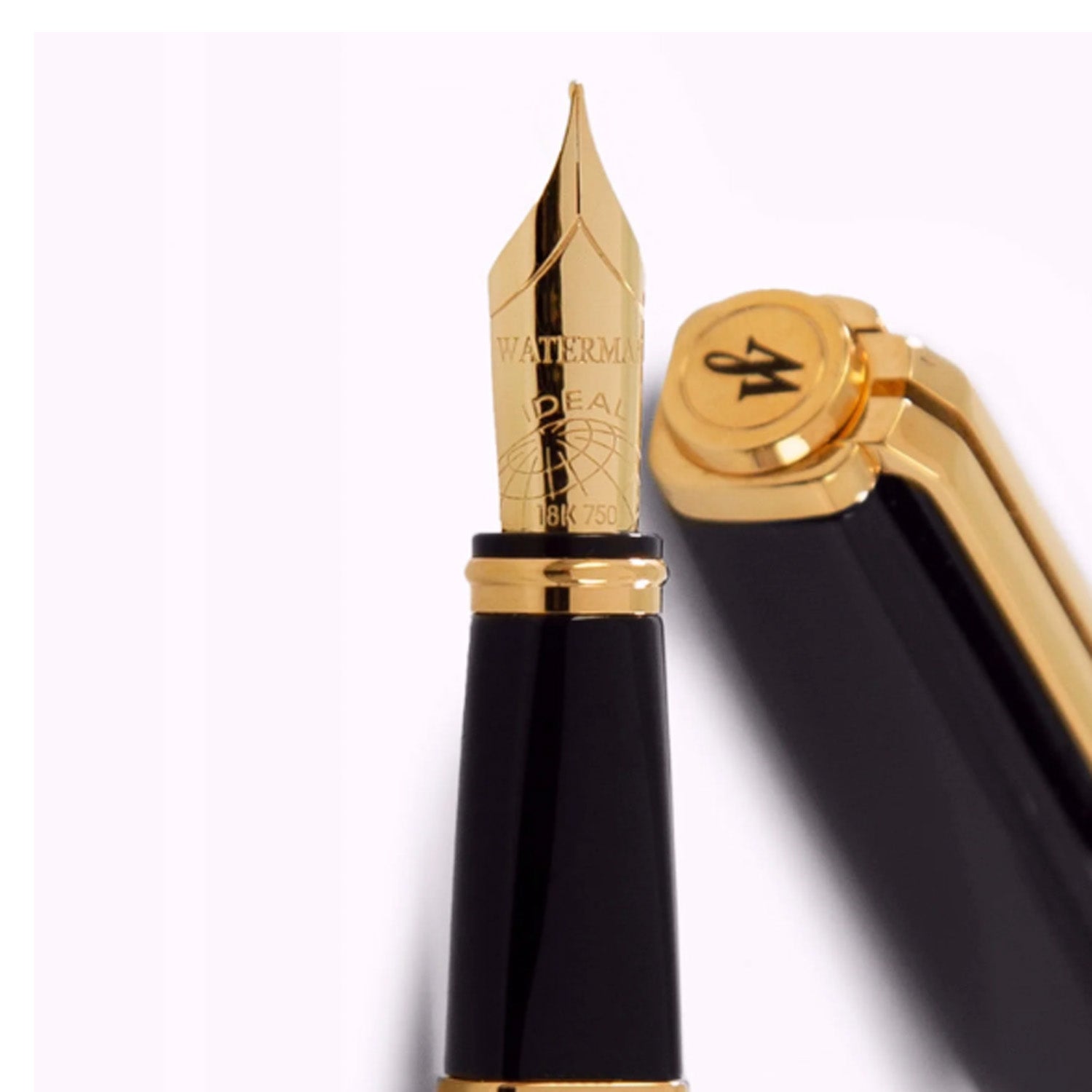
- Smooth gold nibs
- Slightly broader output
Better for expressive writers.
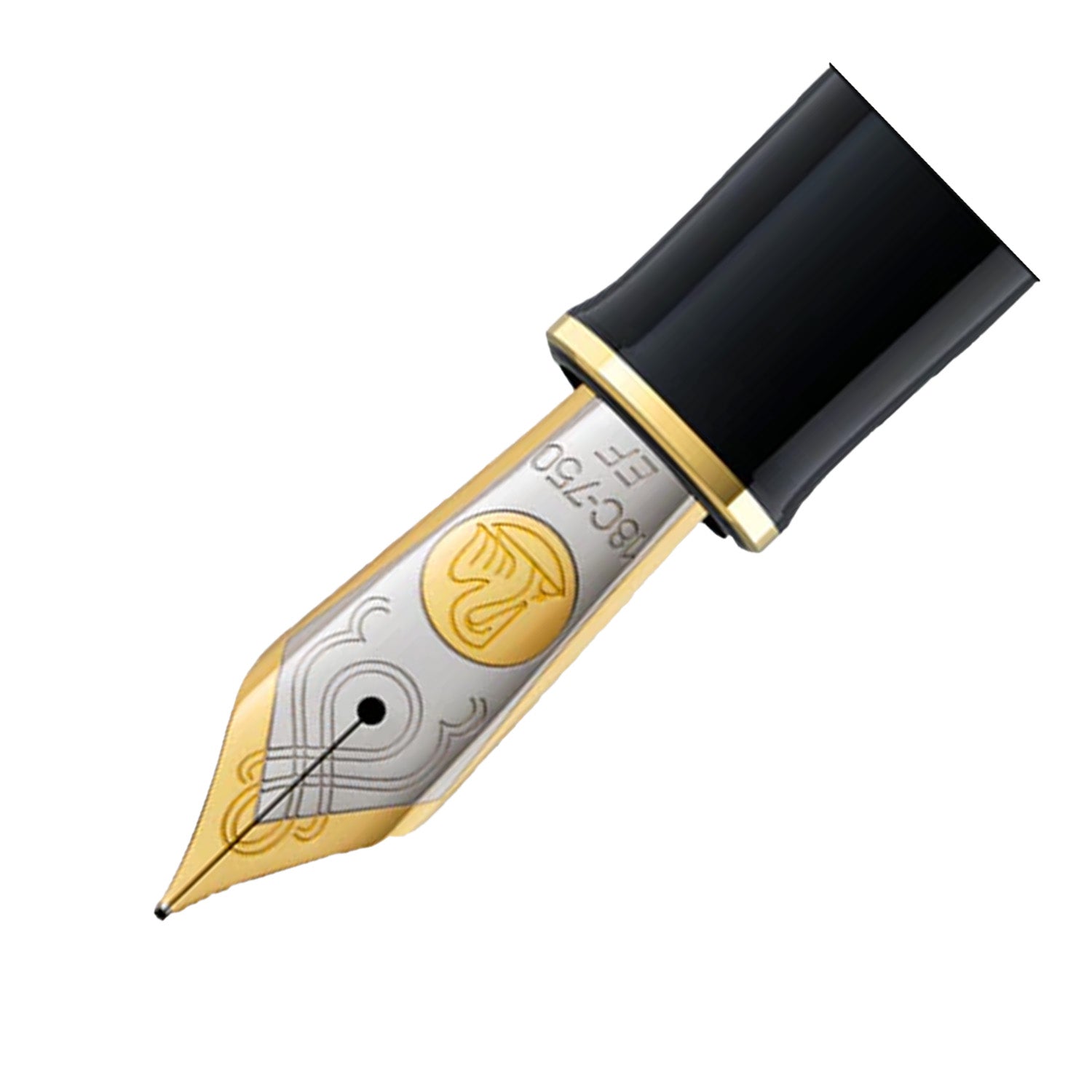
- Precise and slightly feedback-oriented
- Excellent control
- Gold nib craftsmanship
Good balance for professionals.
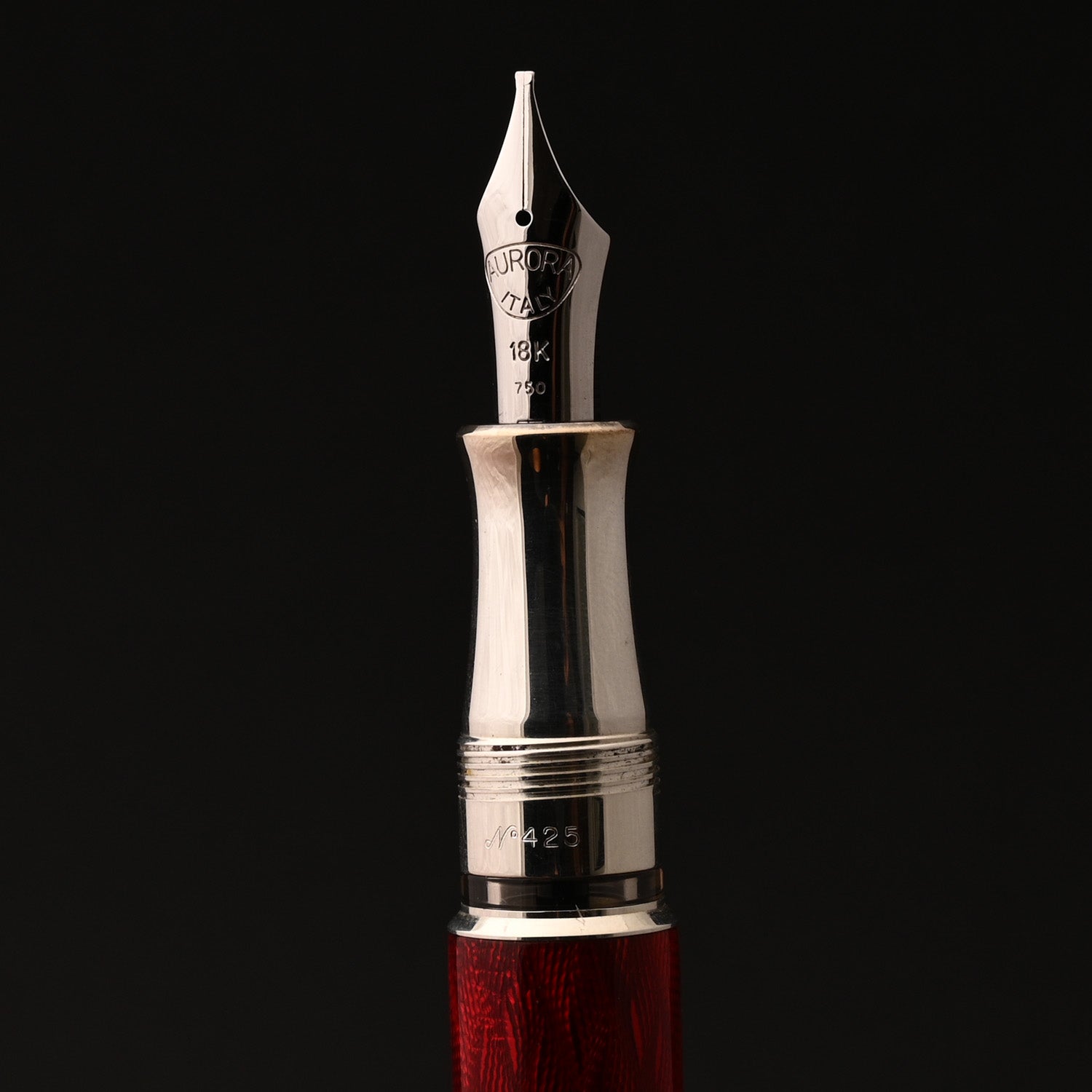
- German engineering
- Smooth steel and gold nibs
- Balanced ink flow
Ideal for everyday use.
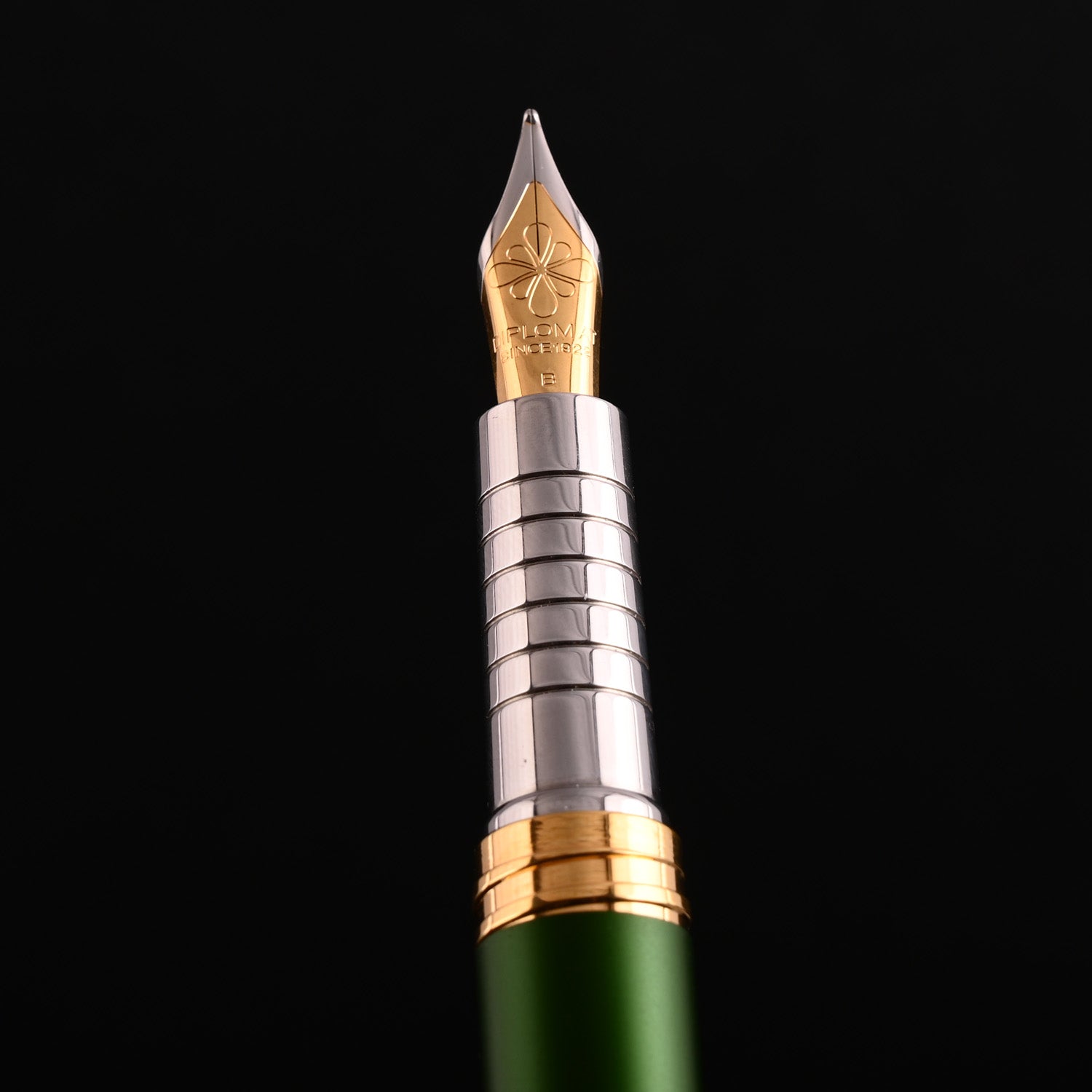
- Smooth and controlled
- Reliable flow
- European sizing
Suitable for executive writing.
Which Nib Is Best for Indian Handwriting?
If You Write Small
Choose:
- Japanese EF
- Japanese Fine
- European EF
If You Write Medium Size
Choose:
- Japanese Fine
- FM
- European Fine
If You Write Large
Choose:
- Medium
- Broad
For Signature Only
Choose:
- Medium
- Broad
- Gold nib for smoother feel
For Students and Exams
Choose:
- EF or Fine
- Controlled ink flow
- Fast drying
Additional Factors to Consider
Paper Quality in India
Indian office paper is often thin. Fine or EF nib prevents feathering.
Ink Choice
Wet inks increase line width. Pair nib size with appropriate ink.
Writing Pressure
Heavy pressure users should choose slightly broader nibs to avoid scratchiness.
Final Recommendation for Most Indian Writers
The safest nib choices for Indian handwriting are:
- Japanese Fine
- Japanese EF
- European EF
- European Fine
These provide clarity, minimal feathering, and smooth performance on common Indian paper types.
Why Buy Fountain Pens from Makoba
Makoba is India’s trusted luxury pen destination.
When buying fountain pens from Makoba, you get:
- 100% authentic international brands
- Wide nib size availability
- Expert guidance on nib selection
- Access to Japanese and German nib options
- Corporate gifting support
- Premium packaging
- Secure online purchase
- Professional consultation
Choosing the right nib size is easier when guided by experts.
Makoba helps you select the perfect fountain pen nib based on your handwriting style, paper usage, and purpose.
Conclusion – Choose Smart, Write Better
Fountain pen nib size directly impacts your writing clarity, comfort, and overall experience. Understanding EEF, UEF, EF, F, FM, M, B, BB, Coarse, Music, and Zoom nibs helps you select the ideal writing instrument.
For Indian handwriting, precision matters. Controlled ink flow, finer lines, and compatibility with paper quality are key.
Select the right nib. Experience smoother writing. Elevate your everyday signature.
Choose wisely. Choose Makoba.



Leave a comment