 Skip to content




Gold Nib Technology Explained – 14K vs 18K vs 21K Gold Nib Fountain Pens
Introduction – The Soul of a Fountain Pen
When people talk about luxury fountain pens, they often mention brand names, finishes, limited editions, or price tags. But true enthusiasts know something deeper.
The heart of a fountain pen is its nib.
And when that nib is made of gold, the conversation changes.
Gold nibs are not about status alone. They are about feel. About response. About how the pen touches paper and translates thought into ink. Whether it is a 14K, 18K, or 21K nib, the difference lies not only in gold content — but in character.
If you have ever wondered:
- Is 18K better than 14K?
- Why does Sailor use 21K nibs?
- Do gold nibs write smoother than steel?
- Which gold nib is best for Indian handwriting?
- How do brands like Pilot, Montblanc, Lamy, or Montegrappa approach gold nib design?
This guide explains gold nib technology in clear, human terms — without myths, without marketing exaggeration, and with real insight into what makes 14K, 18K, and 21K fountain pens different.
What Does “K” Mean in Gold Nibs?
“K” stands for karat — a measurement of gold purity.
Pure gold is 24K. But pure gold is extremely soft. Too soft for a fountain pen nib that must withstand pressure, ink flow, and decades of writing.
So manufacturers blend gold with other metals to increase strength and resilience.
Here’s what the numbers mean:
- 14K gold = 58.5% pure gold
- 18K gold = 75% pure gold
- 21K gold = 87.5% pure gold
The remaining percentage is alloyed with metals like copper, silver, palladium, or nickel to adjust strength and flexibility.
But higher gold content does not automatically mean better writing.
The real magic lies in how the nib is engineered.
Why Use Gold at All?
Before comparing 14K, 18K, and 21K, we must ask — why gold?
Gold has several important properties:
- It resists corrosion from ink.
- It does not rust.
- It is flexible compared to steel.
- It can be precisely shaped and tuned.
- It offers subtle responsiveness when writing.
Modern steel nibs can be excellent. But gold nibs provide a softer, more organic feel that many writers describe as “alive.”
That feeling — that slight cushion between nib and paper — is why enthusiasts choose gold.
14K Gold Nibs – The Balanced Performer
14K nibs are the most common gold nibs across brands.
Because 14K contains less pure gold than 18K or 21K, it is slightly harder and more durable.
How 14K Feels
- Slightly firmer than 18K
- Excellent control
- Less prone to excessive flex
- Durable for daily use
Many writers prefer 14K because it strikes a balance between softness and structure.
Brands Known for Excellent 14K Nibs
Pilot – Many models like the Custom 74 and Custom 823 use 14K nibs. Pilot’s 14K nibs are known for precision and smooth ink control.
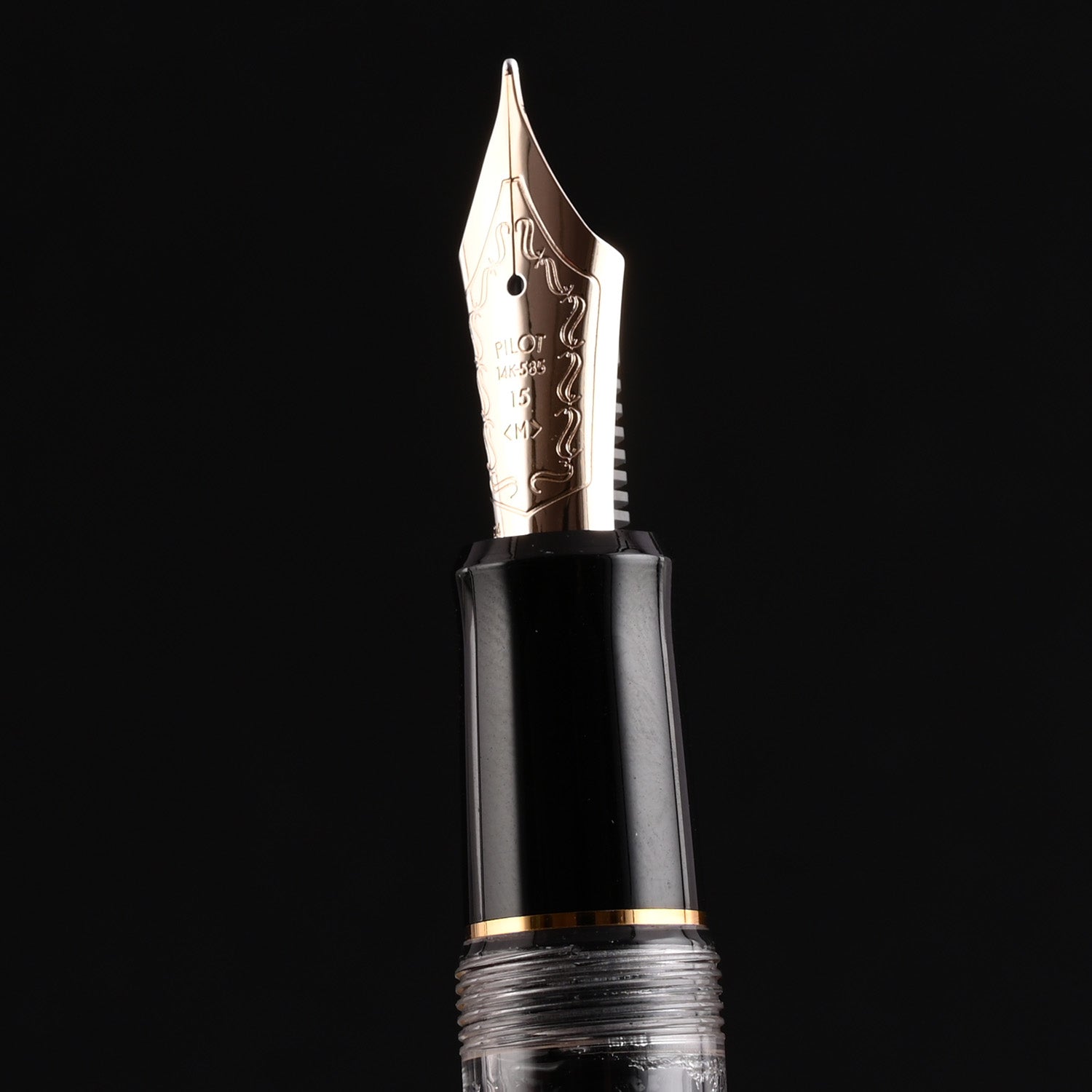
Lamy – The Lamy 2000 uses a 14K gold nib that feels smooth but controlled.

Diplomat – Offers 14K gold nibs in higher-end models, delivering smooth German engineering.
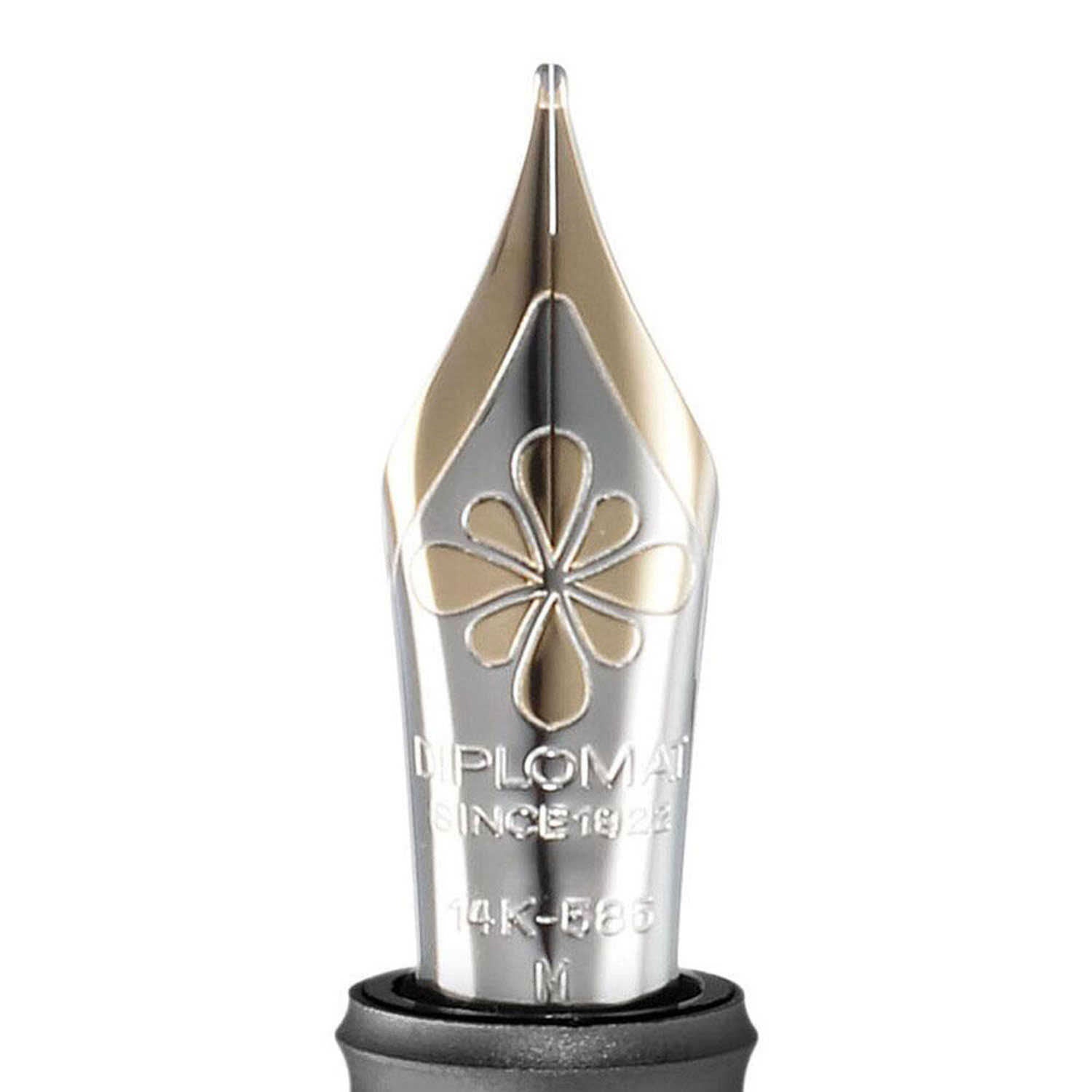
Leonardo – Italian craftsmanship paired with beautifully tuned 14K nibs.
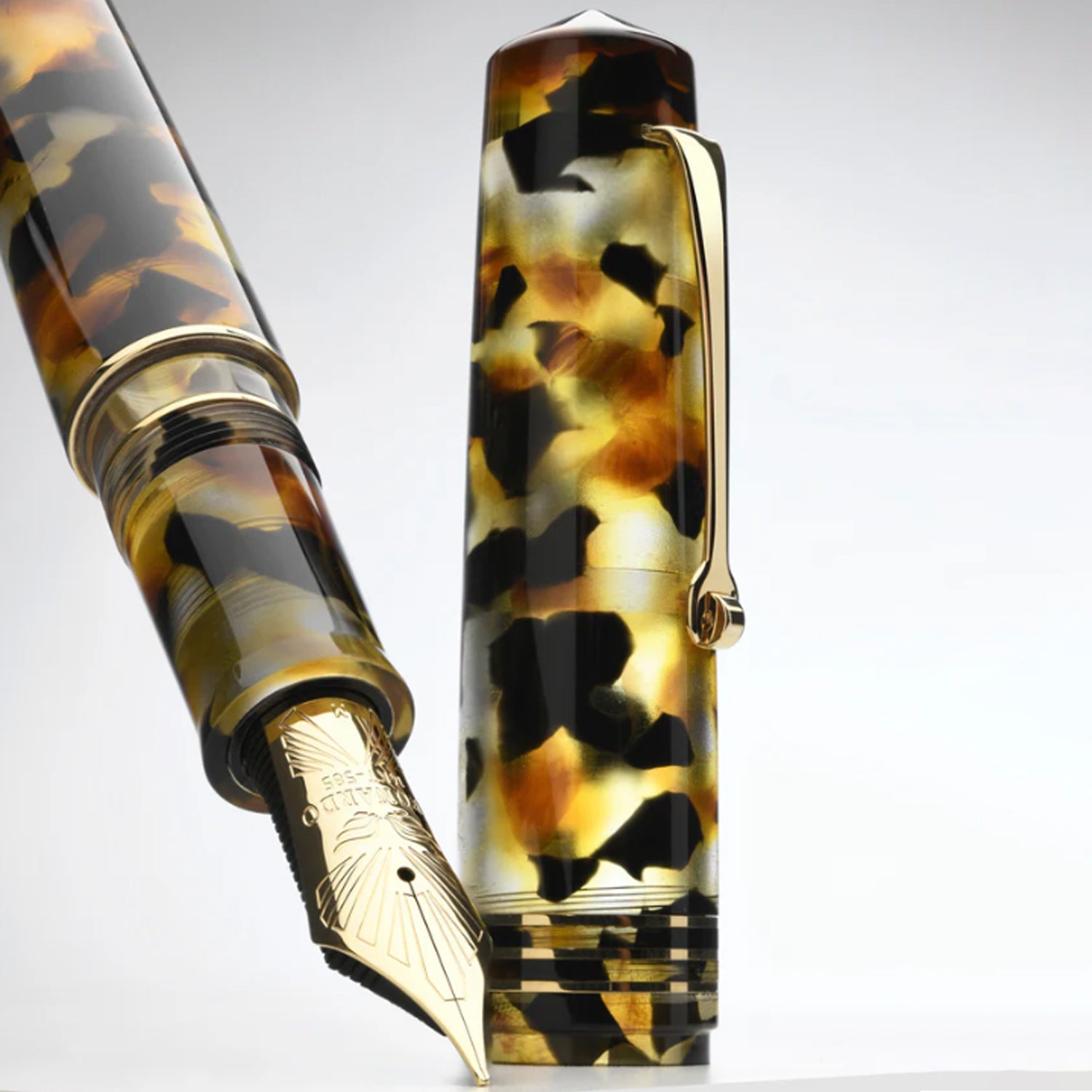
14K nibs are ideal for:
- Everyday professionals
- Writers who prefer firmness
- Fast note-taking
- Controlled handwriting
For Indian handwriting styles, 14K Fine nibs are often perfect due to balanced ink flow.
18K Gold Nibs – Softer, Richer, More Expressive
18K nibs contain more gold and therefore feel slightly softer than 14K.
But softness is not the same as flex. Modern nibs are not vintage flex nibs. Instead, 18K nibs offer subtle cushioning.
How 18K Feels
- Slightly more elastic
- Smoother glide
- Softer feedback
- Luxurious writing feel
18K nibs often appear in higher-end luxury models.
Brands That Use 18K Nibs
Montblanc – Most Montblanc Meisterstück pens use 18K gold nibs, known for smoothness and prestige.
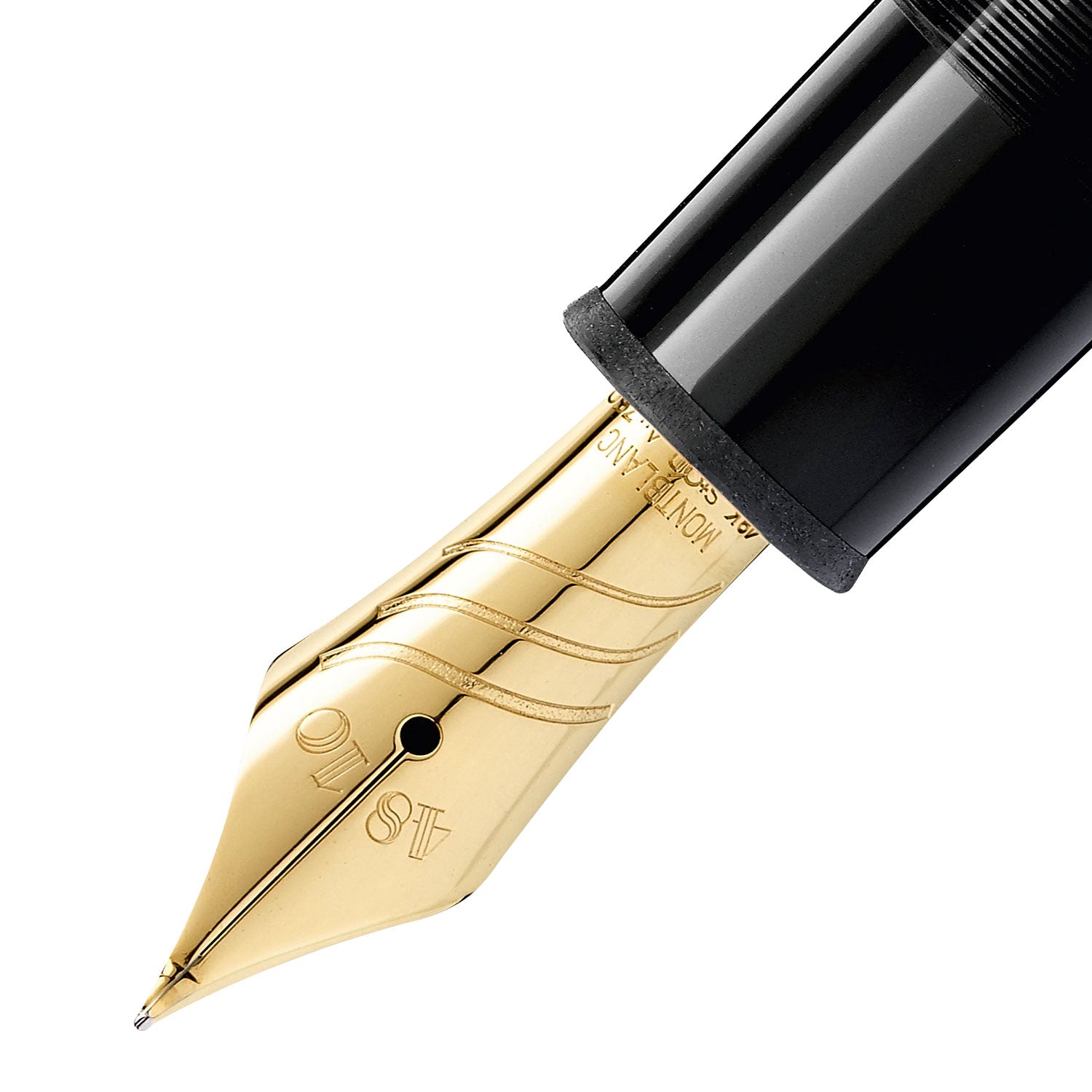
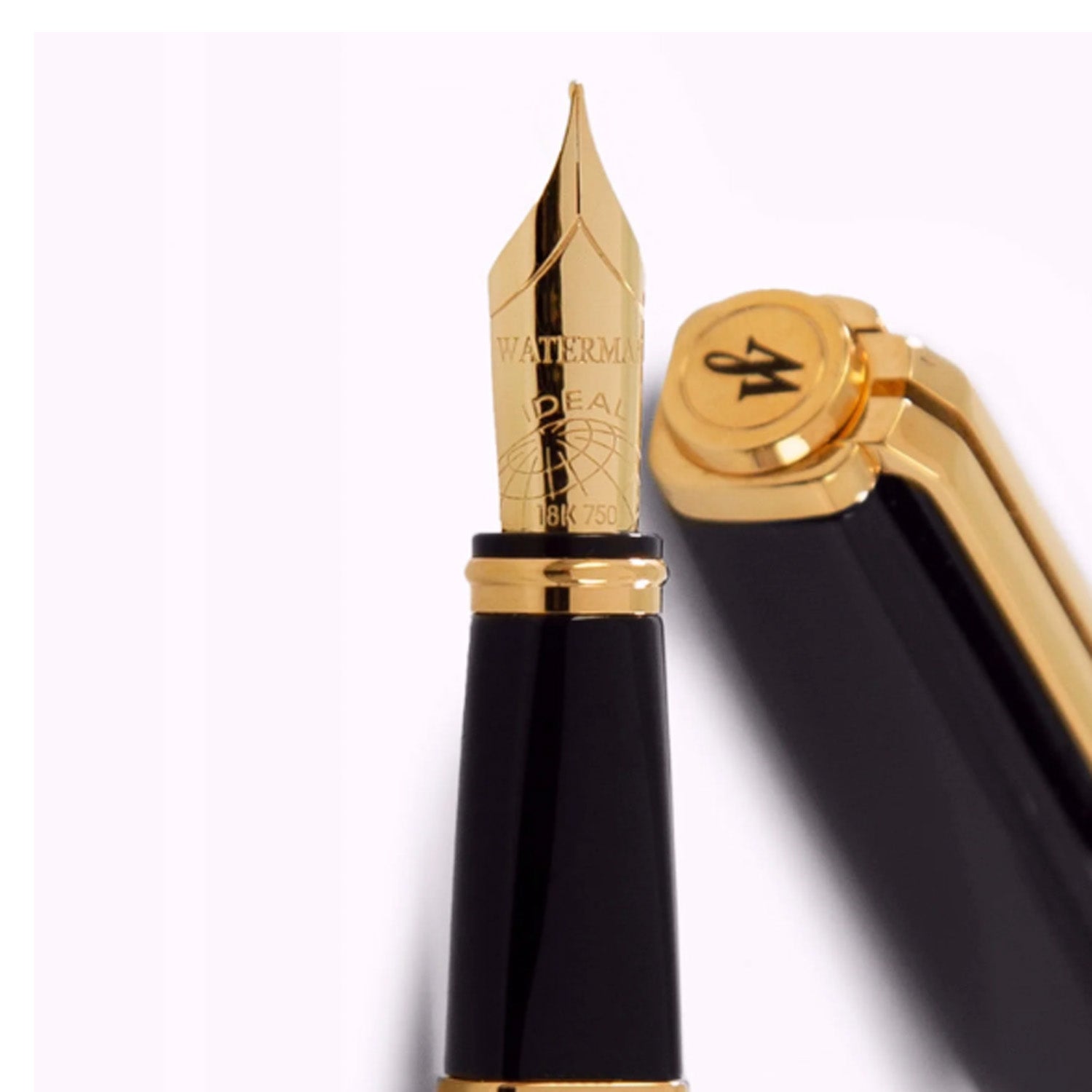
Waterman – Select premium models use 18K nibs offering refined control.
Montegrappa – Italian artistry combined with expressive 18K nibs.

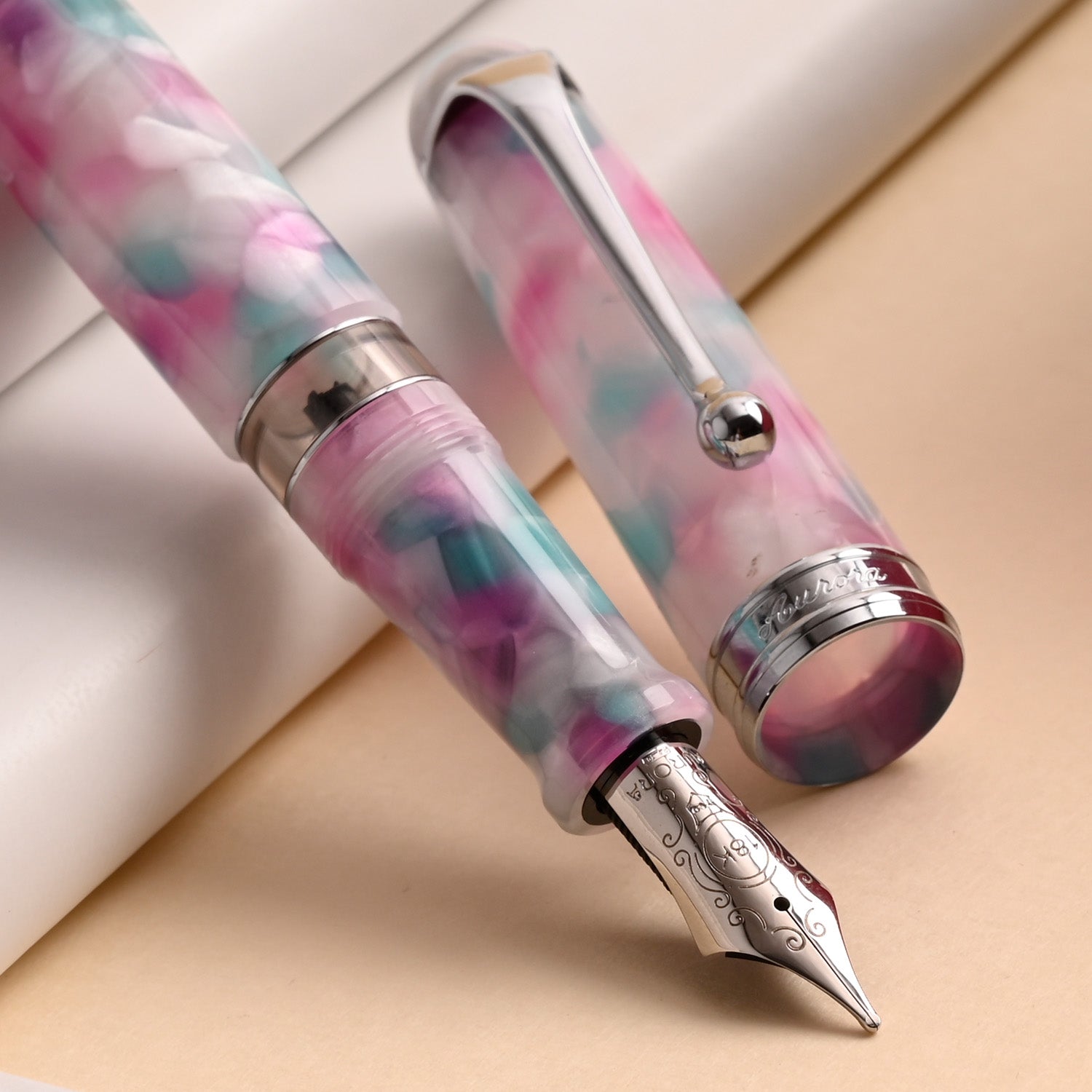
Aurora – Produces excellent 18K nibs with precise feedback.
18K nibs are ideal for:
- Signature writing
- Slower, deliberate writing
- Luxury collectors
- Those who prefer a slightly softer touch
If you enjoy journaling or long writing sessions, 18K often feels more relaxed.
21K Gold Nibs – The Sailor Signature
21K nibs are rare. Very few brands use them.
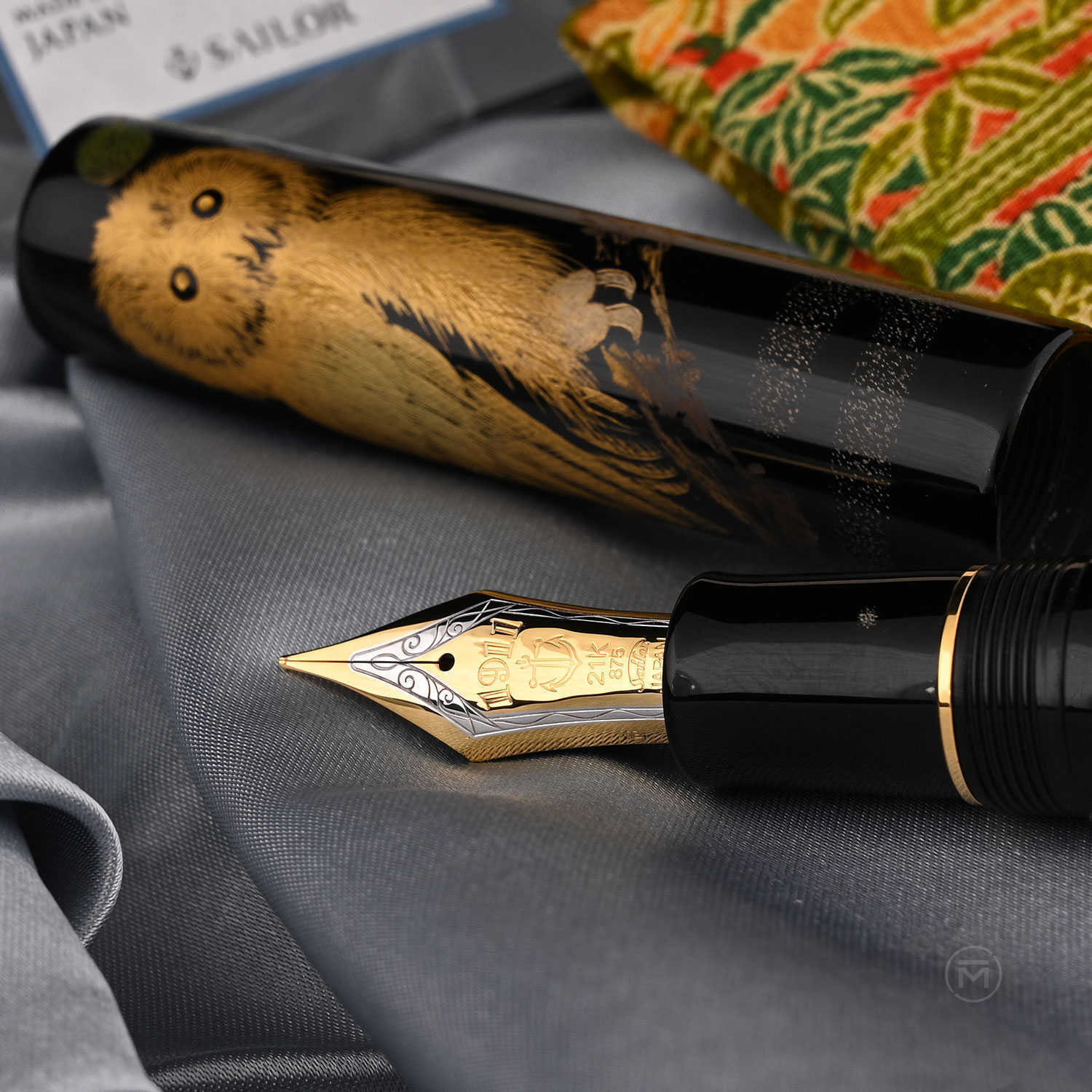
Sailor, the Japanese manufacturer, is famous for 21K nibs in its Professional Gear and 1911 series.
Why 21K?
With 87.5% gold, 21K nibs are very soft in material composition — but Sailor tunes them to remain precise.
Interestingly, Sailor 21K nibs are not overly flexible. Instead, they offer:
- Refined tactile feedback
- Controlled precision
- Subtle softness
- Characteristic “pencil-like” feel
Writers often describe Sailor nibs as having feedback — not scratchy, but intentional.
Who Loves 21K Nibs?
- Writers who want tactile connection
- Calligraphy enthusiasts
- Fine nib l
- overs
- Those who enjoy character over glassy smoothness
Sailor proves that higher gold content does not mean softer writing. Engineering matters more.
Does Higher Gold Mean Better Writing?
This is the biggest misconception.
No.
Gold percentage alone does not determine:
- Smoothness
- Flexibility
- Ink flow
- Writing comfort
Tipping material (usually iridium alloy), feed design, tine alignment, and tuning matter more.
A well-tuned 14K nib can outperform a poorly tuned 21K nib.
Brand-by-Brand Gold Nib Philosophy
Pilot’s gold nibs are known for:
- Precision
- Clean lines
- Controlled ink flow
- Fine nib excellence
Pilot uses both 14K and 18K nibs across models like:
Pilot nibs are ideal for small handwriting and structured writing styles.
Platinum offers 14K and 18K nibs.
The Platinum 3776 uses 14K nibs known for feedback and precision.
Platinum nibs feel slightly firmer than Pilot but equally precise.
Sailor is the champion of 21K nibs.
Their 21K nibs are:
- Controlled
- Character-driven
- Slightly feedback-oriented
- Excellent for fine writing
Sailor nibs feel distinctly Japanese — intentional and precise.
Montblanc 18K nibs are globally recognized.
They offer:
- Smooth glide
- Balanced wetness
- Strong brand prestige
- Signature authority
Montblanc nibs feel luxurious and slightly softer compared to many German counterparts.
Lamy’s 14K nibs, especially in the Lamy 2000, are understated yet reliable.
They offer:
- Smooth performance
- Modern minimalism
- Controlled ink flow
Diplomat gold nibs are known for consistency and smoothness.
German engineering ensures:
- Balanced wetness
- Excellent alignment
- Firm yet comfortable feel
Montegrappa 18K nibs combine Italian elegance with expressive writing.
They tend to be slightly wetter and more expressive.
Leonardo often pairs 14K gold nibs with Italian resin bodies.
They offer:
- Warm writing feel
- Slight softness
- Beautiful aesthetics
Waterman’s 18K gold nibs of Waterman Carene balance smoothness with control.
They are refined rather than flashy.
Gold Nibs and Indian Handwriting
Indian writing styles often involve:
- Compact letter spacing
- Faster writing speed
- Mixed script writing
- Variable paper quality
For this reason:
- 14K Fine or Extra Fine nibs work beautifully
- Japanese 14K nibs are excellent for precision
- 18K Medium nibs suit signature writing
Higher gold content is not required for everyday professional use.
Durability – Are Gold Nibs Fragile?
No.
Gold nibs are durable because:
- They are alloyed for strength
- They use hardened tipping material
- They are engineered for longevity
With proper care, gold nibs last decades.
Writing Feel Comparison Summary
14K Nib Feel:
Firm, balanced, precise, reliable.
18K Nib Feel:
Slightly softer, smoother, luxurious, relaxed.
21K Nib Feel:
Refined, tactile, character-driven, precise.
The difference is subtle. Enthusiasts appreciate it. Casual users may not immediately notice.
Which Gold Nib Should You Choose?
Choose 14K if:
- You write daily
- You want durability
- You prefer structure
- You write quickly
Choose 18K if:
- You want smoother cushioning
- You enjoy journaling
- You value luxury feel
Choose 21K if:
- You love tactile feedback
- You prefer Sailor aesthetics
- You want something unique
The Emotional Side of Gold Nibs
Beyond technical discussion, there is emotion.
A gold nib feels warm.
It feels personal.
It feels intentional.
When you write with gold, the experience slows you down slightly. It reminds you that writing matters.
That emotional connection is why enthusiasts invest in gold nib fountain pens.
Why Buy Gold Nib Fountain Pens from Makoba
When purchasing a gold nib pen, authenticity and guidance matter.
Makoba offers:
- 100% genuine brands
- Wide selection of 14K, 18K, and 21K nibs
- Expert consultation
- Access to global luxury brands
- Secure purchase experience
Choosing the right nib is personal. Makoba ensures you select the one that fits your writing style.
Conclusion – Gold Is Not Just a Metal, It Is a Feeling
Gold nib technology is not about karat numbers alone. It is about tuning, engineering, craftsmanship, and philosophy.
14K offers balance.
18K offers softness.
21K offers character.
But ultimately, the best gold nib is the one that matches your hand, your handwriting, and your intention.
When you choose a gold nib fountain pen from Pilot, Sailor, Montblanc, Lamy, Montegrappa, Waterman, Platinum, Leonardo, Diplomat or others, you are not just choosing a metal percentage.
You are choosing how your thoughts meet paper.
And that is a deeply personal decision.
Choose thoughtfully.
Write beautifully.
And experience authentic luxury writing instruments at Makoba.
Explore the options with Makoba
Turn the ideas in this guide into a shortlist that suits the way you write. Our pen specialists can help you compare the options and check product details before you choose.
- Fountain Pens
- Leonardo Jowo Steel Extra Fine Nib Unit - Rose Gold
- Leonardo Jowo Steel Fine Nib Unit - Gold
Ask a Makoba pen specialist · Our QC, dispatch photographs and protective packing · Visit our stores in Chennai, Delhi, Ahmedabad, Gurgaon and Bangalore


Leave a comment